

Types and Practical Applications of Pneumatic Conveying Systems for Asbestos Powder Handling
Asbestos powder handling requires specialized equipment to ensure safe and efficient material transport. Pneumatic conveying systems have emerged as a critical solution in this domain, offering reliable methods for moving asbestos powder from storage to processing or disposal areas. This article explores the different types of pneumatic conveying systems commonly used for asbestos powder and their practical applications, highlighting the technical considerations and operational benefits that make them suitable for such applications.
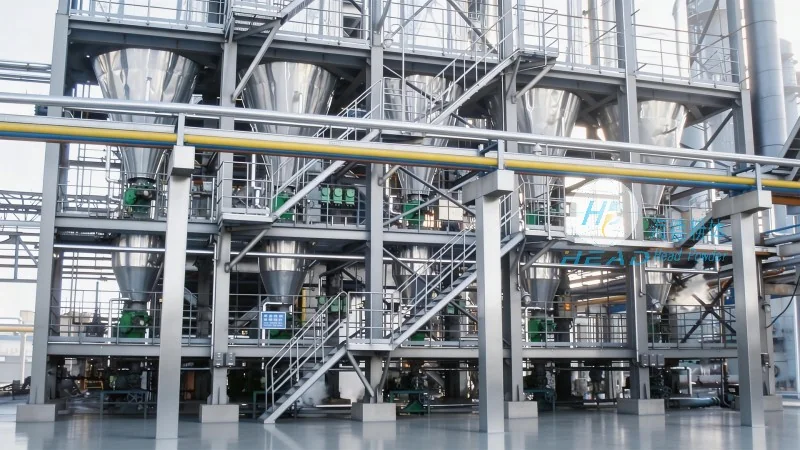
Introduction to Pneumatic Conveying Systems for Asbestos Powder
Pneumatic conveying systems utilize air or gas to transport bulk materials like asbestos powder through a pipeline network. These systems are designed to handle materials that may be hazardous or require controlled movement, making them ideal for asbestos powder, which poses health risks if not managed properly. The primary goal of these systems is to provide a safe, dust-free, and efficient method of material transfer, reducing the risk of exposure and improving overall operational safety.
Types of Pneumatic Conveying Systems for Asbestos Powder
Several types of pneumatic conveying systems are available for asbestos powder handling, each with distinct characteristics and applications. The choice of system depends on factors such as material properties, distance of transport, and the required flow rate. The main types include:
1. Dilute Phase Pneumatic Conveying: This system operates by suspending the asbestos powder particles in a high-velocity air stream. The particles are carried through the pipeline in a dilute suspension, making it suitable for long-distance transport and high flow rates. It is particularly effective for handling fine asbestos powder, as the air flow minimizes particle agglomeration and ensures consistent transport.
2. Dense Phase Pneumatic Conveying: In contrast to dilute phase systems, dense phase systems transport asbestos powder in a more concentrated form, with particles moving in a plug flow or slurry-like state. This method is ideal for short to medium distances and when the material is prone to segregation or requires gentle handling. Dense phase systems are often used when the material needs to be delivered at a lower velocity to prevent degradation or damage.
3. Pressure and Vacuum Conveying: These systems can operate under either positive pressure (pressure conveying) or negative pressure (vacuum conveying). Pressure conveying involves blowing air or gas into the pipeline to push the material forward, while vacuum conveying uses suction to draw the material into the system. For asbestos powder, pressure systems are commonly used due to their ability to handle longer distances and higher material loads, whereas vacuum systems may be employed in applications where the material needs to be collected from multiple sources or in confined spaces.
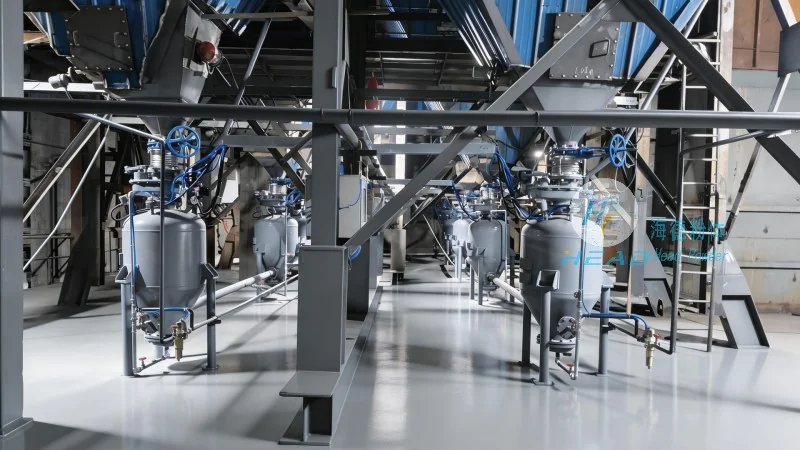
Practical Applications of Pneumatic Conveying Systems
Pneumatic conveying systems for asbestos powder find applications in various industrial settings, including mining, manufacturing, and waste management. The following are some practical scenarios where these systems are utilized:
1. Asbestos Processing Plants: In processing facilities, asbestos powder is often transported from storage silos to grinding or mixing equipment. Pneumatic conveying systems ensure that the material is moved efficiently without generating excessive dust, which is crucial for maintaining a safe working environment. The systems can handle large volumes of asbestos powder, supporting continuous production processes.
2. Waste Management and Disposal: During the disposal of asbestos-containing materials, pneumatic conveying systems are used to transport the powder from collection points to disposal sites or treatment facilities. This method allows for the safe and controlled movement of hazardous materials, reducing the risk of contamination and exposure during transport.
3. Construction and Renovation Sites: In construction or renovation projects involving asbestos removal, pneumatic conveying systems can be used to transport the powder from the work area to storage containers or disposal vehicles. The systems help in minimizing the spread of asbestos fibers and ensuring that the material is handled in compliance with safety regulations.
Key Considerations for Selecting a Pneumatic Conveying System
When selecting a pneumatic conveying system for asbestos powder, several factors must be considered to ensure optimal performance and safety. These include:
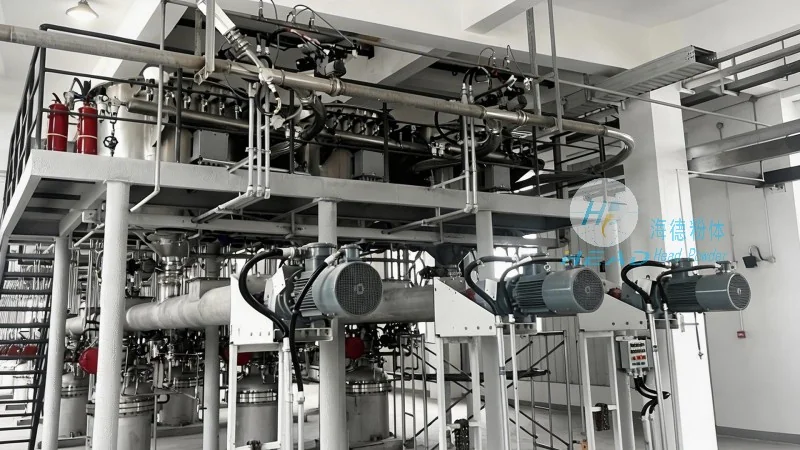
Material Properties: Asbestos powder has specific characteristics such as particle size, density, and moisture content, which affect the choice of system. For example, fine asbestos powder may require a dilute phase system to prevent blockages, while coarser particles might be better suited for dense phase systems.
Transport Distance and Flow Rate: The distance the material needs to be transported and the required flow rate are critical factors. Dilute phase systems are generally more suitable for long distances and high flow rates, whereas dense phase systems are preferred for shorter distances and lower flow rates.
System Pressure and Airflow: The pressure and airflow requirements of the system must be matched to the material's properties and the transport distance. Higher pressures are needed for longer distances, while lower pressures may suffice for shorter distances.
Safety and Compliance: Asbestos is a hazardous material, and the conveying system must comply with relevant safety regulations and standards. This includes features such as dust suppression, explosion-proof designs, and proper ventilation to minimize exposure risks.
Conclusion
Pneumatic conveying systems play a vital role in the safe and efficient handling of asbestos powder. By understanding the different types of systems and their practical applications, industries can select the most appropriate solution for their specific needs. The systems not only improve operational efficiency but also enhance safety by reducing the risk of asbestos exposure during material transport. As a leading provider of engineering solutions for bulk material handling, Shandong HeadPowder Engineering Co., Ltd. specializes in designing and implementing pneumatic conveying systems tailored to the unique requirements of asbestos powder handling, ensuring compliance with safety standards and optimal performance in various industrial applications.