

Types and Practical Applications of Pneumatic Conveying Systems for Fine Coal Powder Transport
HeadPowder, a leading engineering company based in Shandong, China, specializes in the design, manufacturing, and implementation of advanced pneumatic conveying systems tailored for the efficient transport of fine coal powder. This article explores the various types of pneumatic conveying systems and their practical applications in industrial settings, providing insights into how these technologies enhance operational efficiency and safety in coal handling processes.
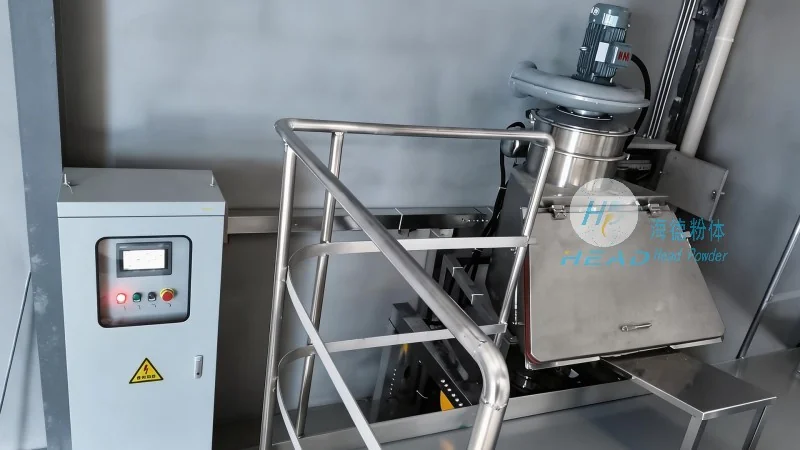
Overview of Pneumatic Conveying Systems for Fine Coal Powder
Pneumatic conveying systems are widely used in the coal industry to transport fine coal powder from storage silos, processing units, or production lines to various destinations such as boilers, storage facilities, or processing plants. These systems utilize air or gas to move the material, offering advantages like reduced equipment wear, minimal dust generation, and the ability to handle materials in a closed system, which improves safety and environmental compliance.
Types of Pneumatic Conveying Systems
There are primarily two main types of pneumatic conveying systems used for fine coal powder transport: positive pressure systems and negative pressure (or vacuum) systems. Each type has distinct characteristics and is suitable for different operational requirements.
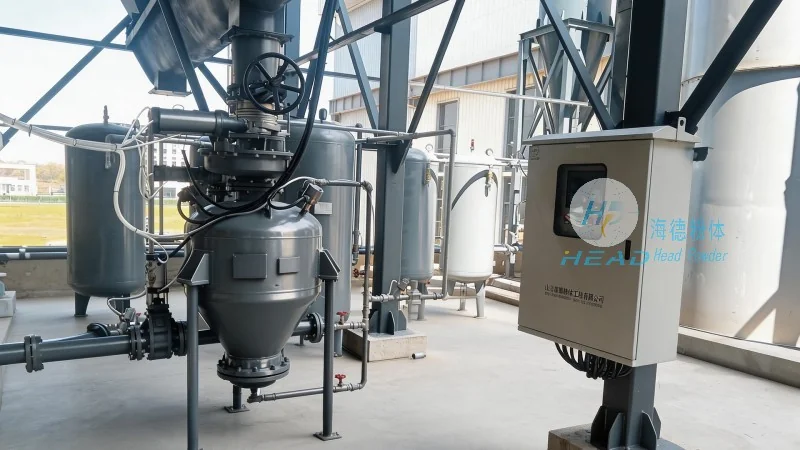
Positive Pressure Pneumatic Conveying Systems
Positive pressure systems operate by blowing air or gas into the conveying line, creating a pressure higher than the ambient air pressure. The material is then drawn into the line and propelled forward by the moving air stream. This type of system is often preferred for applications requiring high material throughput, long-distance transport, or when the material needs to be conveyed from a central source to multiple destinations. The high pressure ensures that the material is consistently and reliably transported, even with varying particle sizes and moisture content.
Negative Pressure (Vacuum) Pneumatic Conveying Systems
Negative pressure systems, on the other hand, create a vacuum in the conveying line, drawing the material and air mixture into the system from the source. This approach is typically used for shorter distances or when the material is to be collected from multiple points and transported to a central collection point. The vacuum helps in controlling dust emissions and ensures that the material is drawn in without the need for high-pressure air, which can be more energy-efficient for shorter transport routes.
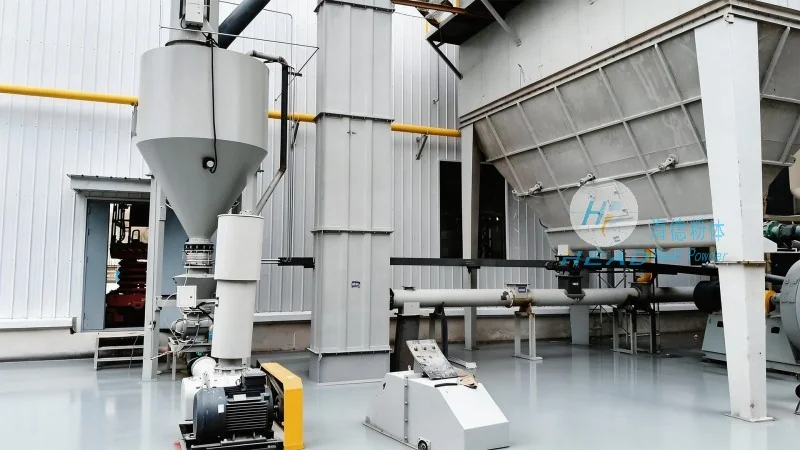
Practical Applications in Coal Handling
HeadPowder's pneumatic conveying systems are applied in various practical scenarios within coal processing and power generation industries. For instance, in power plants, these systems are crucial for transporting fine coal from coal bunkers to the boiler feed system, ensuring a continuous and controlled supply of fuel. In coal processing facilities, they are used to move coal powder from grinding mills to storage silos or to other processing units, maintaining the flow of material throughout the production line.
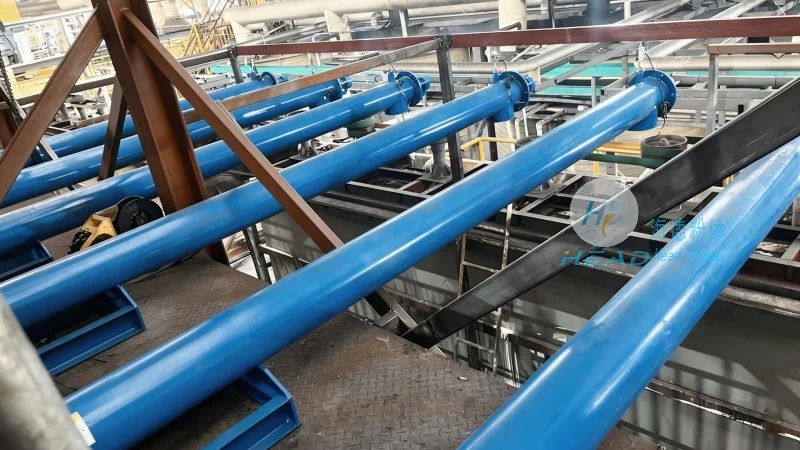
Key Advantages and Considerations
Implementing pneumatic conveying systems for fine coal powder offers several key advantages. These include improved safety by containing dust and preventing dust explosions, reduced maintenance costs due to fewer moving parts compared to mechanical conveyors, and enhanced operational flexibility. However, the selection of the appropriate system type depends on factors such as the distance of transport, the volume of material to be conveyed, the particle size distribution, and the environmental regulations of the site. Proper system design and maintenance are essential to ensure optimal performance and longevity.
Conclusion
HeadPowder Engineering Co., Ltd., with its headquarters in Shandong, China, provides comprehensive solutions for pneumatic conveying systems tailored to the specific needs of fine coal powder transport. By understanding the different system types and their practical applications, industrial facilities can enhance their operational efficiency, safety, and environmental performance. The company's expertise in engineering and implementation ensures that clients receive systems that are reliable, efficient, and compliant with industry standards.