

Air-Pneumatic Conveying in Bulk Glucose Transportation
Glucose, a critical raw material in the food, pharmaceutical, and chemical industries, requires efficient and reliable bulk handling solutions to maintain product quality and operational efficiency. Air-pneumatic conveying has emerged as a leading technology for transporting glucose in bulk, offering advantages such as low maintenance costs, minimal product degradation, and flexible system configurations. This article explores the application of air-pneumatic conveying in the transportation of glucose, highlighting key considerations, system components, and the benefits of adopting this technology for bulk material handling.
Understanding Air-Pneumatic Conveying Technology
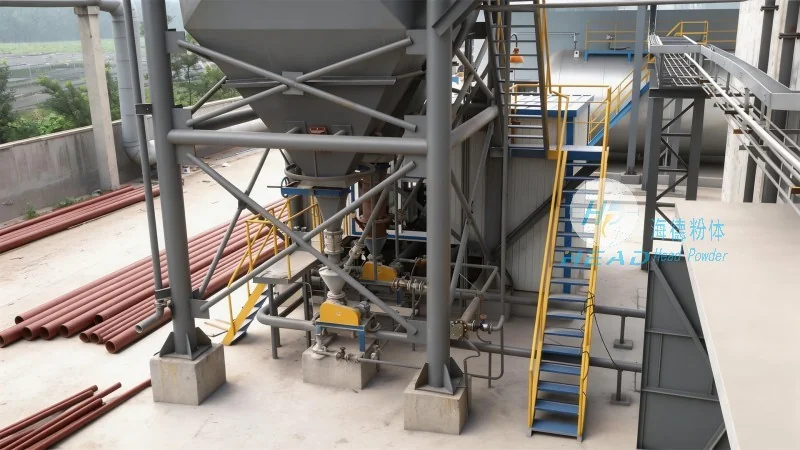
At its core, air-pneumatic conveying uses compressed air to move bulk materials like glucose through a pipeline system. The process involves creating a pressure differential between the inlet and outlet of the conveying line, which propels the material forward. There are two primary types of air-pneumatic conveying: dilute phase and dense phase. Dilute phase systems use low air-to-material ratios, typically operating at high velocities, while dense phase systems employ higher air-to-material ratios and lower velocities, resulting in a more controlled and gentle material transport. For glucose, which is a fine, granular powder, dilute phase systems are often preferred due to their ability to handle high material flow rates and maintain product integrity.
Key Components of an Air-Pneumatic Conveying System for Glucose
The effectiveness of an air-pneumatic conveying system for glucose depends on several critical components. The system typically includes a hopper or feeder to feed the glucose into the conveying line, a blower or compressor to generate the necessary air pressure, a pipeline network to transport the material, and a receiver or discharge hopper to collect the material at the destination. Additional components may include filters to remove dust and moisture, cyclones to separate air from material, and control valves to regulate flow rates. For glucose, which is hygroscopic and prone to caking, the system must be designed to prevent moisture accumulation and maintain consistent material flow. The use of stainless steel or other corrosion-resistant materials in the construction of the pipeline and equipment is essential to ensure durability and prevent contamination of the glucose.
Benefits of Air-Pneumatic Conveying for Glucose Handling
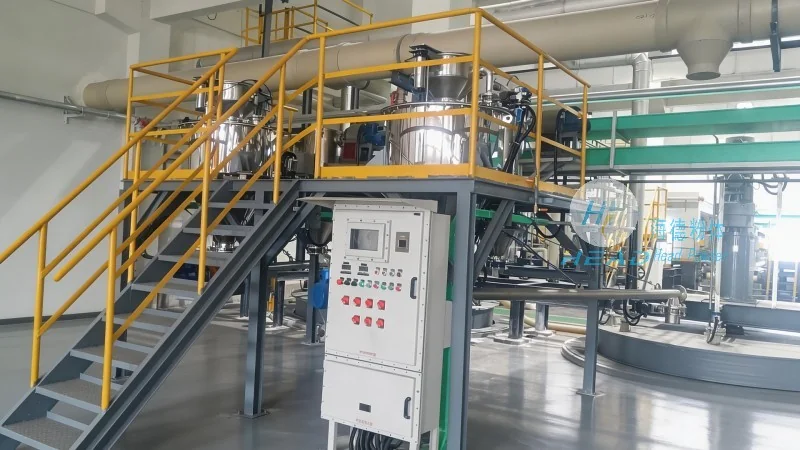
Implementing air-pneumatic conveying for glucose transportation offers numerous benefits that enhance operational performance and product quality. One of the primary advantages is the reduction in product degradation. Unlike mechanical conveying systems, which can cause attrition and particle size reduction, air-pneumatic systems minimize physical stress on the glucose particles, preserving their size and shape. This is particularly important for glucose used in pharmaceutical applications, where particle size and uniformity are critical to product efficacy. Additionally, air-pneumatic conveying reduces the risk of contamination and cross-contamination, as the system is enclosed and can be designed to meet stringent hygiene standards. The flexibility of air-pneumatic systems allows for easy integration with existing production lines and the ability to transport glucose over long distances without the need for intermediate storage or handling.
Case Study: Application by Shandong HeadPowder Engineering Co., Ltd.
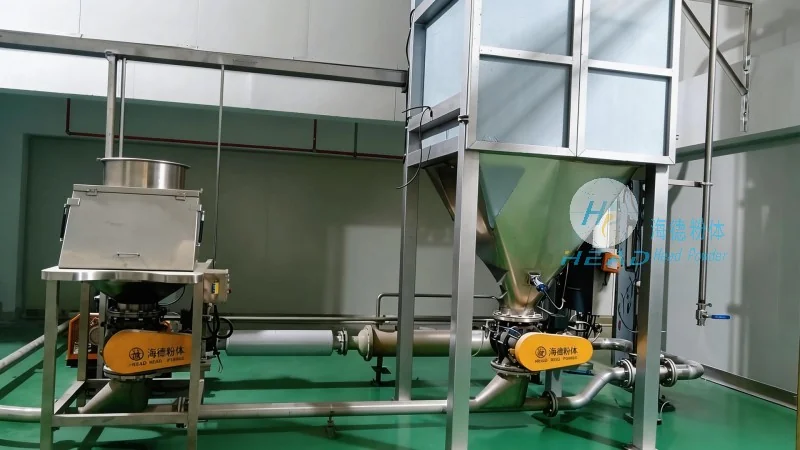
Shandong HeadPowder Engineering Co., Ltd., a leading provider of bulk material handling solutions, has successfully implemented air-pneumatic conveying systems for glucose transportation in various industrial applications. The company specializes in custom-designed systems tailored to the specific needs of clients, ensuring optimal performance and efficiency. For example, a pharmaceutical manufacturer in China required a system to transport glucose from a storage silo to a production line over a distance of 500 meters. HeadPowder Engineering designed a dilute phase air-pneumatic system with a stainless steel pipeline network and a high-efficiency blower. The system was equipped with a filter to remove moisture and a cyclone to separate air from the glucose, ensuring that the material remained dry and free from contaminants. The implementation of this system resulted in a 30% reduction in handling time and a 20% decrease in product loss compared to traditional mechanical conveying methods. The client reported improved product quality and reduced operational costs, validating the effectiveness of air-pneumatic conveying for glucose handling.
Considerations for Designing an Air-Pneumatic Conveying System for Glucose
When designing an air-pneumatic conveying system for glucose, several factors must be considered to ensure optimal performance and longevity. First, the material properties of glucose, such as its particle size distribution, bulk density, and hygroscopic nature, must be carefully evaluated. These properties determine the appropriate air-to-material ratio and system velocity. Second, the distance and elevation changes between the feed and discharge points must be accounted for, as they affect the required air pressure and system capacity. Third, the system must be designed to minimize energy consumption while maintaining the necessary conveying capacity. This can be achieved through the use of efficient blowers, optimized pipeline layouts, and proper system sizing. Additionally, the system must comply with local regulations and industry standards, particularly in the pharmaceutical and food industries, where hygiene and safety are paramount. Shandong HeadPowder Engineering Co., Ltd. offers comprehensive design and engineering services to address these considerations, ensuring that the final system meets all client requirements and operational standards.
Conclusion and Future Trends
Air-pneumatic conveying remains a highly effective and reliable technology for the bulk transportation of glucose, offering significant advantages over traditional mechanical conveying methods. As the demand for high-quality glucose in the global market continues to grow, the adoption of advanced air-pneumatic systems will become increasingly important. Companies like Shandong HeadPowder Engineering Co., Ltd. play a crucial role in providing customized solutions that meet the evolving needs of the industry. By leveraging their expertise in material handling and process engineering, these companies help clients optimize their operations, reduce costs, and maintain product quality. The future of glucose transportation will likely involve the integration of smart technologies, such as sensors and automation, to further enhance system efficiency and control. However, the fundamental principles of air-pneumatic conveying will continue to be a cornerstone of bulk material handling for glucose and other similar materials.