

Activated Carbon Technical Parameters and Conveying System Process
Shandong HeadPowder Engineering Co., Ltd., a leading enterprise in the field of activated carbon processing and conveying technology, specializes in providing comprehensive solutions that integrate precise technical parameters with efficient conveying system designs. This document outlines the key technical parameters essential for activated carbon applications and details the advanced conveying system processes developed by the company to ensure optimal performance and reliability in various industrial settings.
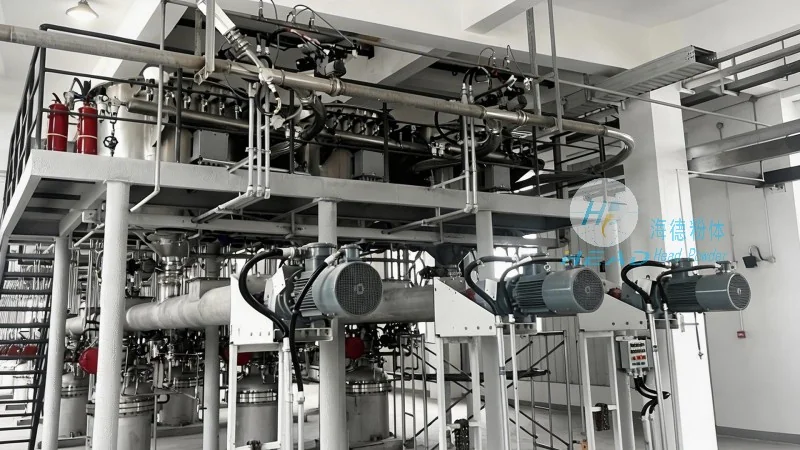
Core Technical Parameters of Activated Carbon
The effectiveness of activated carbon in adsorption processes is heavily dependent on several critical technical parameters. These parameters are meticulously controlled to meet specific industrial requirements. Key parameters include:
- Particle Size Distribution: The size and distribution of activated carbon particles directly impact the surface area available for adsorption. Smaller particles offer higher surface area but may pose challenges in handling and filtration. The company's activated carbon products are engineered with optimized particle size distributions tailored to different application needs, ensuring balanced adsorption efficiency and operational feasibility.
- Surface Area and Pore Structure: The total surface area and the distribution of micropores, mesopores, and macropores are fundamental to the adsorption capacity of activated carbon. High surface area and well-developed pore structures enhance the ability to capture target contaminants. Shandong HeadPowder Engineering Co., Ltd. utilizes advanced activation processes to produce activated carbon with superior pore characteristics, maximizing adsorption performance for applications such as water treatment, air purification, and industrial gas purification.
- Iodine Number and Methylene Blue Value: These are standard indicators of the adsorption capacity of activated carbon. The iodine number measures the ability to adsorb iodine, while the methylene blue value reflects the adsorption of methylene blue dye. Higher values indicate greater adsorption capacity. The company's activated carbon products consistently meet or exceed industry standards for these parameters, ensuring reliable performance in demanding applications.
- Moisture Content: The moisture content of activated carbon affects its handling properties and adsorption efficiency. Excessive moisture can reduce the effective surface area and hinder the adsorption process. Proper drying and storage procedures are implemented to maintain low moisture content, ensuring consistent performance in industrial operations.
Conveying System Process for Activated Carbon
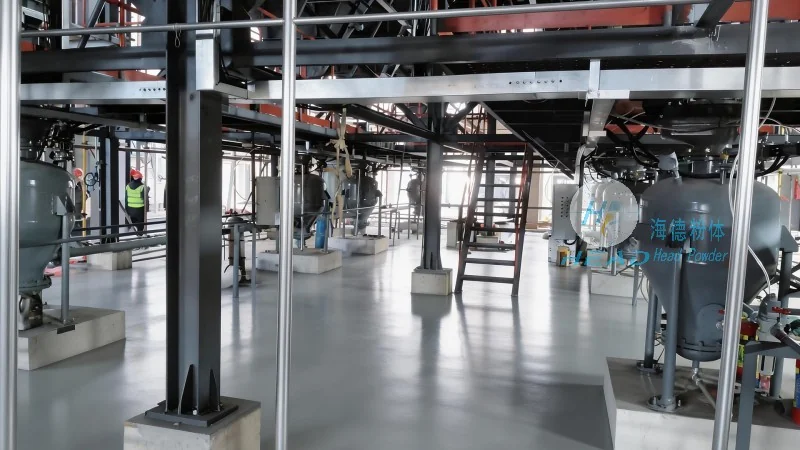
The efficient and safe transportation of activated carbon from production to end-use applications is critical for maintaining product quality and operational efficiency. Shandong HeadPowder Engineering Co., Ltd. has developed advanced conveying systems that address the unique challenges associated with activated carbon, such as dust generation, particle attrition, and material flow control. The conveying process typically involves the following stages:
- Feeding and Storage: Activated carbon is first stored in bulk storage silos or hoppers. The storage system is designed to minimize exposure to moisture and contaminants, preserving the material's quality. A controlled feeding mechanism, such as a rotary valve or screw feeder, ensures a consistent and controlled flow of material into the conveying system.
- Pneumatic Conveying: For long-distance or high-volume transport, pneumatic conveying systems are employed. These systems use air pressure to transport activated carbon through pipelines. The company utilizes positive displacement blowers or rotary lobe pumps to generate the necessary pressure, ensuring reliable and efficient material transport. The design of the conveying lines, including the use of flexible hoses and appropriate pipe diameters, minimizes pressure drop and prevents particle blockage.
- Mechanical Conveying: In applications requiring shorter distances or where pneumatic systems are not feasible, mechanical conveying methods, such as belt conveyors or bucket elevators, are used. These systems are equipped with dust collection and filtration systems to control airborne particles and maintain a clean working environment. The mechanical components are designed to handle the abrasive nature of activated carbon, ensuring long service life and minimal maintenance.
- Discharge and Dosing: At the destination, the activated carbon is discharged into processing equipment or storage tanks. Precise dosing systems, such as gravimetric feeders or volumetric screw feeders, are integrated to control the amount of activated carbon added to the process, ensuring accurate dosing and optimal performance.
Quality Control and Operational Excellence
Shandong HeadPowder Engineering Co., Ltd. places a strong emphasis on quality control throughout the entire process, from raw material selection to the final delivery of activated carbon and conveying systems. The company adheres to strict quality standards and conducts regular testing to ensure that all products meet the specified technical parameters. This includes in-house laboratory testing for particle size, surface area, and adsorption capacity, as well as third-party certification for compliance with industry regulations.
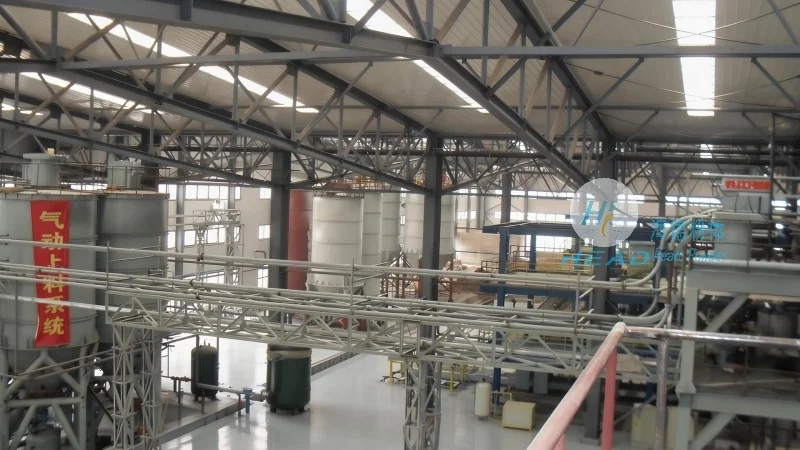
The conveying systems are also subject to rigorous testing and validation to ensure reliable operation. This includes pressure testing of pipelines, performance testing of conveying equipment, and monitoring of material flow rates. The company's team of engineers and technicians provides ongoing support and maintenance services to ensure that the conveying systems operate at peak efficiency, minimizing downtime and maximizing productivity.