

Technical Parameters and Transport System Process of Calcium Sulfate
For industries dealing with calcium sulfate, understanding the technical parameters and the design of transport systems is crucial for efficient operations. This document provides a comprehensive overview of the key technical aspects and the process of implementing an effective transport system for calcium sulfate, ensuring optimal performance and reliability in various applications.
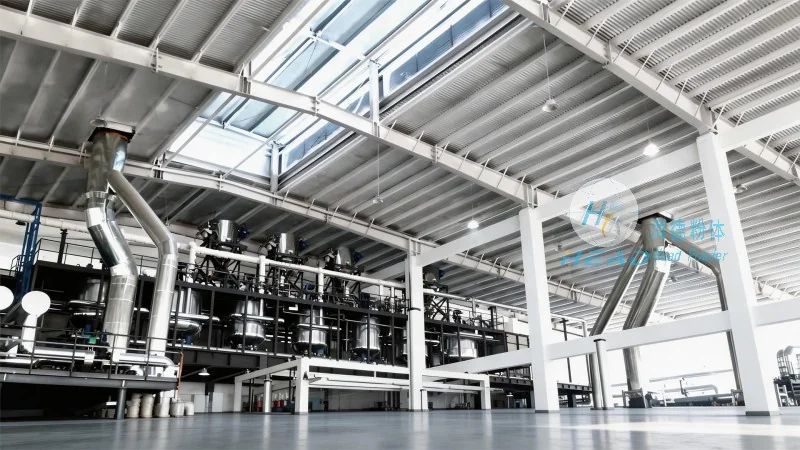
Company Overview: Shandong HeadPowder Engineering Co., Ltd.
HeadPowder, as a leading provider in the field, specializes in engineering solutions tailored to the needs of calcium sulfate handling and transportation. With a strong presence in China, particularly in Shandong, the company leverages its expertise to deliver high-quality systems that meet industry standards and client requirements. The company’s commitment to innovation and precision engineering ensures that every project is executed with the utmost care, focusing on durability, efficiency, and safety.
Key Technical Parameters of Calcium Sulfate
Calcium sulfate, commonly known as gypsum, is a widely used industrial material with specific technical characteristics that influence its handling and transport. The following parameters are critical for designing an effective transport system:
- Particle Size Distribution: The size and distribution of calcium sulfate particles affect flowability and the choice of equipment. Coarse particles may require different conveyor designs compared to fine powders.
- Moisture Content: The moisture level impacts the material’s handling properties, such as caking or stickiness, which can affect the efficiency of transport systems. Proper moisture control is essential to maintain consistent performance.
- Density and Bulk Density: The density of calcium sulfate influences the load capacity of transport equipment, such as hoppers and conveyors. Accurate measurement of bulk density helps in calculating the volume and weight of material being transported.
- Chemical Stability: Calcium sulfate is generally chemically stable, but it may react with certain materials or environmental conditions. Understanding its chemical properties ensures that the transport system is compatible and does not degrade over time.
Design of Calcium Sulfate Transport Systems
The transport system for calcium sulfate typically involves a combination of equipment designed to handle the material’s unique characteristics. The process generally includes the following components:
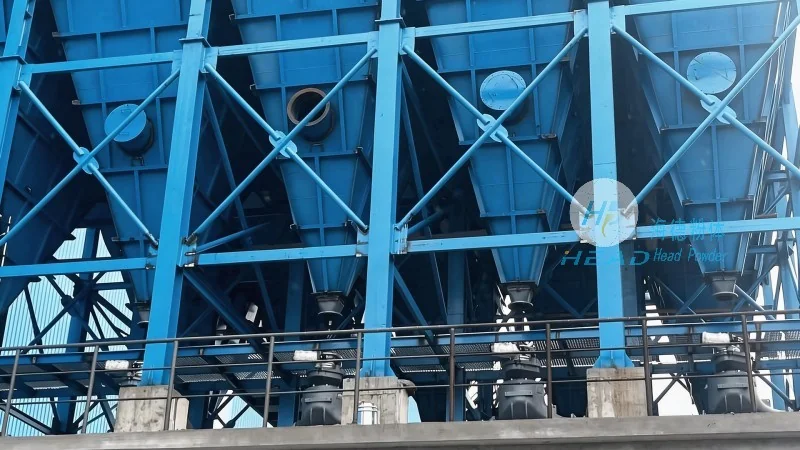
- Storage and Feeding: The material is stored in silos or hoppers, from which it is fed into the transport system. Proper feeding mechanisms, such as rotary valves or screw conveyors, ensure a consistent flow rate.
- Conveying Equipment: Depending on the distance and application, various conveying methods are used. Belt conveyors are common for horizontal transport, while pneumatic conveying systems are suitable for vertical or long-distance transport, especially when dealing with fine powders.
- Control and Monitoring: Advanced control systems are integrated to monitor parameters like flow rate, pressure, and temperature. This allows for real-time adjustments and ensures the system operates within optimal conditions, preventing issues like blockages or material degradation.
- Material Handling and Dosing: At the destination, the system may include equipment for dosing or further processing. This ensures that the calcium sulfate is delivered to the next stage of production accurately and efficiently.
Engineering Solutions by HeadPowder
HeadPowder Engineering Co., Ltd. offers customized transport systems based on the specific technical parameters of calcium sulfate. The company’s engineers work closely with clients to understand their operational needs and design systems that are tailored to their requirements. By considering factors such as particle size, moisture content, and density, HeadPowder ensures that the transport system is optimized for performance and longevity.
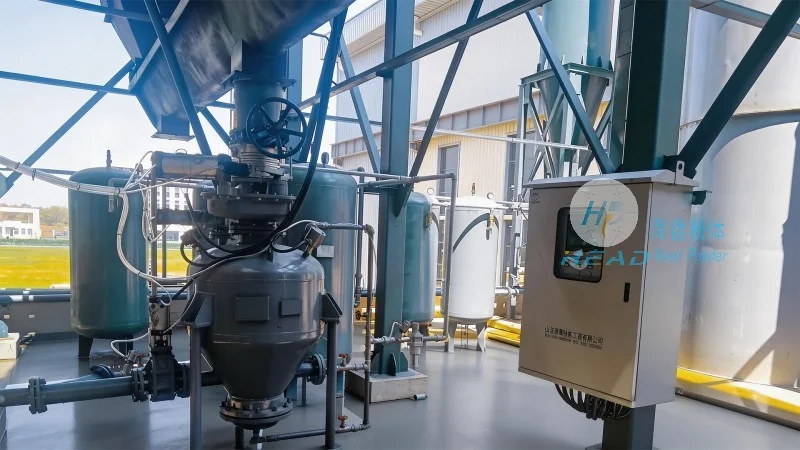
The company’s solutions include the design, manufacturing, and installation of complete transport lines, from storage silos to conveying equipment. This comprehensive approach ensures that all components work together seamlessly, providing a reliable and efficient system for calcium sulfate handling.
Conclusion
Understanding the technical parameters of calcium sulfate and designing an appropriate transport system is essential for industries that rely on this material. HeadPowder Engineering Co., Ltd., with its expertise and commitment to quality, provides the necessary engineering solutions to meet these needs. By focusing on the unique characteristics of calcium sulfate and implementing advanced transport systems, clients can achieve improved efficiency, reduced downtime, and enhanced safety in their operations.