

Aluminum Battery Technical Parameters and Conveying System Process
Shandong HeadPowder Engineering Co., Ltd., headquartered in Shandong, China, is a specialized enterprise dedicated to the research, development, and application of advanced aluminum battery technologies. The company leverages precision engineering and efficient material handling systems to deliver high-performance energy storage solutions. This document outlines the key technical parameters of aluminum batteries and details the process of the conveying system integral to their production and deployment.
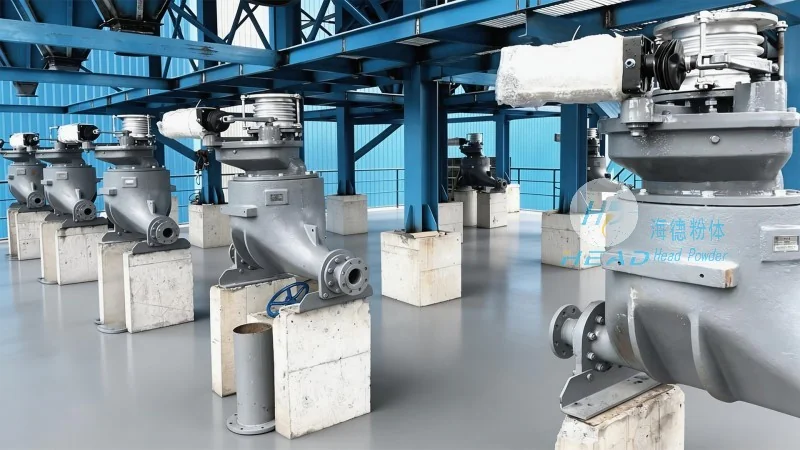
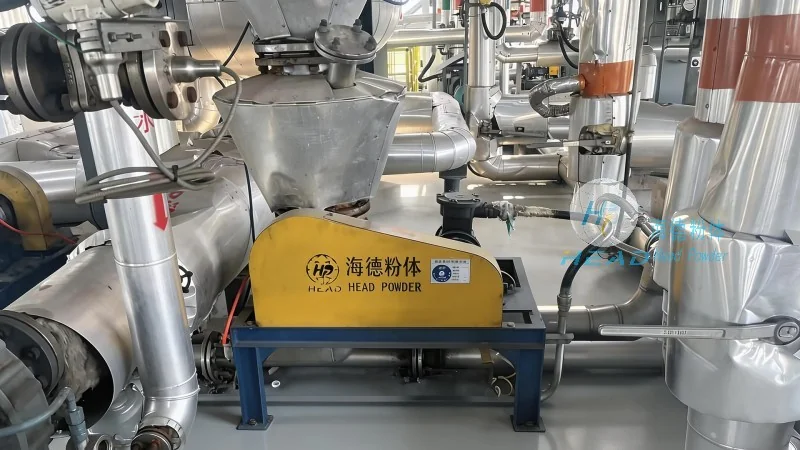
Technical Parameters of Aluminum Batteries
Aluminum batteries represent a significant advancement in energy storage technology, defined by several critical technical parameters that determine their performance, safety, and application suitability. The primary parameters include energy density, which quantifies the energy stored per unit mass or volume, typically expressed in watt-hours per kilogram (Wh/kg) or watt-hours per liter (Wh/L). For aluminum-based systems, these values are optimized to balance power output with storage capacity, addressing diverse needs from portable devices to industrial power requirements. Another crucial parameter is the voltage rating, indicating the operating voltage of the battery, commonly ranging from 1.5 to 3.0 volts depending on cell design and chemistry. This parameter is essential for compatibility with existing electrical systems and devices. Additionally, cycle life and charge-discharge efficiency are vital metrics. Cycle life refers to the number of charge and discharge cycles a battery can endure before its capacity drops below 80% of its original value, while charge-discharge efficiency measures the ratio of energy output to input during charging and discharging. These parameters are directly influenced by the materials used in electrodes, electrolytes, and structural components, all engineered to enhance durability and longevity. The company's expertise in material selection and process optimization ensures aluminum batteries meet stringent industry standards for safety, efficiency, and environmental sustainability.
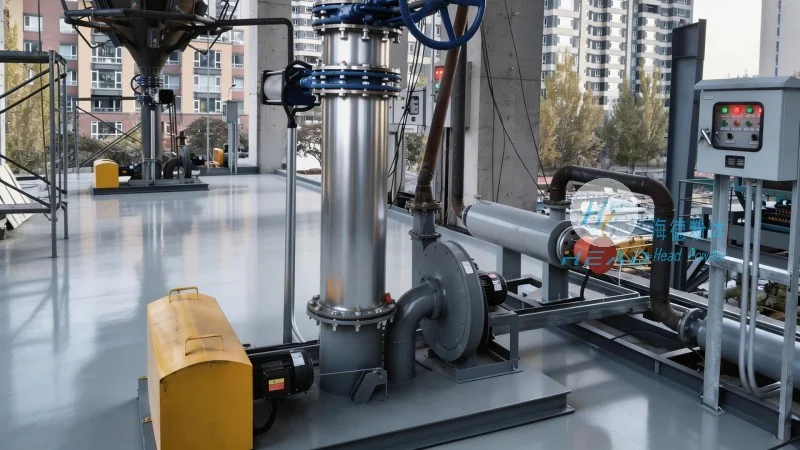
Conveying System Process for Aluminum Battery Production
The conveying system is a critical component of the aluminum battery manufacturing workflow, designed to facilitate the efficient movement of raw materials, intermediate products, and finished battery units through various production stages. The process initiates with the delivery of raw materials, such as aluminum powders and other electrode components, to the production facility. These materials are then transported via a network of conveyor belts, rollers, and automated guided vehicles (AGVs) to mixing and compounding stations. The conveying system ensures precise material quantities and controlled speeds, minimizing waste and optimizing production throughput. During the mixing stage, aluminum powders are combined with binders and additives to form electrode slurry. The system transports this slurry to casting or extrusion equipment, where it is shaped into electrode sheets or foils. Subsequent drying and curing processes are supported by the conveying system, moving electrode sheets through ovens and curing chambers at controlled temperatures and times. After electrode fabrication, the system assists in cell assembly, precisely placing anodes, cathodes, and separators. The conveying system ensures components are transported in the correct sequence and position, reducing errors and improving assembly efficiency. The final stage involves packaging and shipping of completed batteries. The system handles final inspection, labeling, and packaging before dispatch. Throughout the process, advanced sensors and control systems monitor flow rates, detect blockages, and adjust operations in real-time, ensuring smooth and continuous production. The company has optimized the conveying system to minimize energy consumption and maximize operational efficiency, aligning with sustainable production goals.
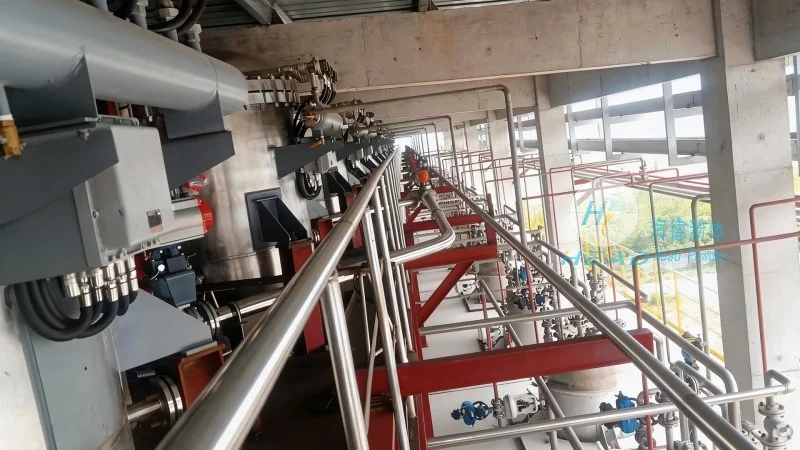
Technical Advantages and Industry Applications
The integration of optimized technical parameters and a sophisticated conveying system contributes to the superior performance of aluminum batteries. These batteries offer advantages such as high energy density, enabling compact and lightweight designs suitable for portable electronics and electric vehicles. Stable voltage output and long cycle life make them ideal for applications requiring consistent power, including renewable energy storage and backup power solutions. Efficient charge-discharge efficiency reduces energy losses, enhancing overall system performance. The company's aluminum battery solutions are tailored to meet specific industry needs, including consumer electronics, automotive, and renewable energy sectors. By integrating advanced materials and precision manufacturing, Shandong HeadPowder Engineering Co., Ltd. provides reliable and cost-effective aluminum battery technologies that support the growing demand for sustainable energy solutions. The company's commitment to innovation and quality ensures its products meet evolving market requirements, positioning it as a trusted partner in the energy storage industry.