

Classification and Application Analysis of Foam Plastic Pneumatic Conveying Systems
HeadPowder, a leading enterprise in the field of pneumatic conveying technology, specializes in the design, manufacturing, and application of foam plastic pneumatic conveying systems. This article provides a comprehensive classification and application analysis of such systems, highlighting their technical characteristics, operational principles, and practical implementations in various industrial scenarios.
Introduction to Foam Plastic Pneumatic Conveying Systems
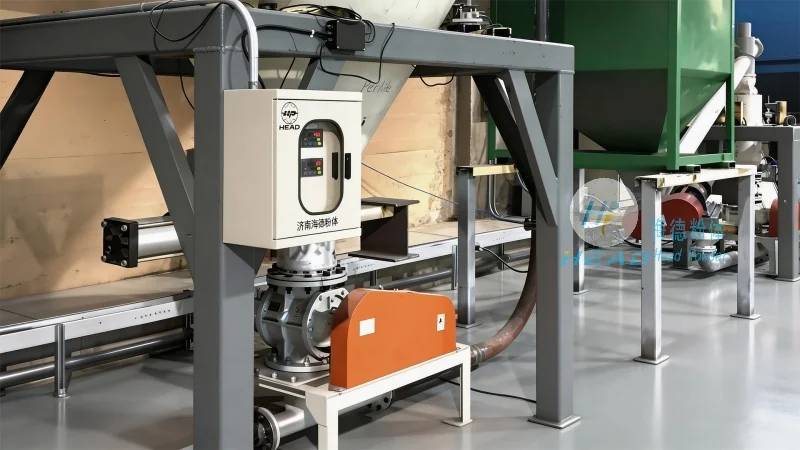
Foam plastic pneumatic conveying systems are essential for the efficient and safe transportation of lightweight, low-density materials like expanded polystyrene (EPS), polyethylene foam, and other similar foamed plastics. These systems utilize air or gas as the conveying medium to move materials from one location to another, offering advantages such as low maintenance, minimal product contamination, and the ability to handle materials in a dust-free environment. HeadPowder, based in Shandong, China, has been at the forefront of developing advanced solutions tailored to the unique challenges of foam plastic handling.
Classification of Foam Plastic Pneumatic Conveying Systems
Foam plastic pneumatic conveying systems can be classified based on several key parameters, including the pressure of the conveying medium, the phase of the material-air mixture, and the specific equipment used. The primary classifications are as follows:
1. Positive Pressure Systems (Pressure Conveying)
Positive pressure systems operate by blowing air or gas into the conveying line, creating a pressure higher than the ambient air pressure. This method is suitable for long-distance and high-capacity applications. The air is introduced at the material inlet, and the material is carried along by the high-pressure air stream. HeadPowder’s positive pressure systems are designed with robust blower units and high-efficiency filters to ensure consistent performance and minimal air leakage.
2. Negative Pressure Systems (Suction Conveying)
Negative pressure systems, also known as vacuum conveying, operate by creating a vacuum in the conveying line, drawing material from the source into the system. This approach is ideal for short-distance, low-volume applications where the material is to be collected from a hopper or a storage bin. HeadPowder’s negative pressure systems feature advanced vacuum pumps and sealed collection units to prevent material loss and maintain air quality.
3. Dense Phase vs. Dilute Phase Systems
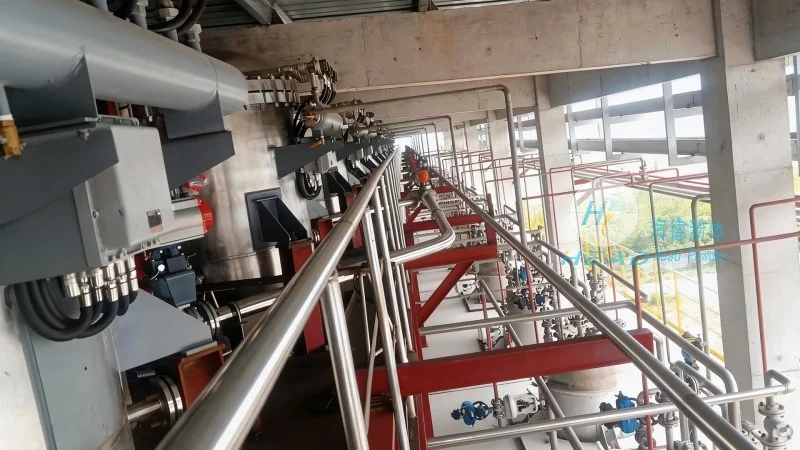
The phase of the material-air mixture is another critical classification. Dense phase systems transport material in a semi-solid state, with the material forming a plug within the air stream, resulting in lower air consumption and reduced wear on equipment. Dilute phase systems, on the other hand, move material as individual particles suspended in the air, requiring higher air flow rates but offering higher capacity for certain applications. HeadPowder offers both dense and dilute phase solutions, allowing customers to choose based on their specific material characteristics and operational requirements.
Key Components and Operational Principles
Regardless of the classification, foam plastic pneumatic conveying systems typically consist of several core components: a material hopper or feeder, a conveying line, a blower or vacuum pump, and a collection or discharge unit. The operational principle involves feeding the foam plastic material into the system, where it is mixed with air or gas and transported through the line to the desired destination. The system is designed to maintain a consistent flow rate and pressure, ensuring smooth and efficient material transfer.
Applications in Various Industries
Foam plastic pneumatic conveying systems find extensive applications across multiple industries due to their ability to handle lightweight, low-density materials efficiently. Some of the key industries include:
1. Manufacturing and Production
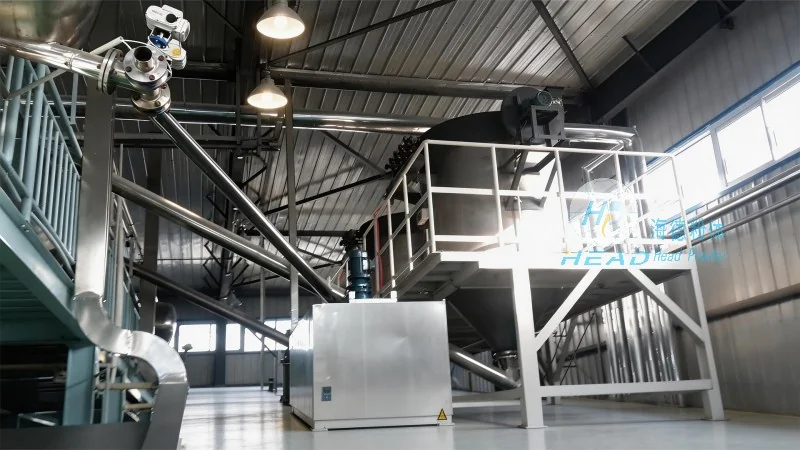
In manufacturing facilities, these systems are used to transport foam plastic components from raw material storage to processing lines. For example, in the production of foam packaging, the system can convey EPS beads from a storage silo to the molding machine, ensuring a continuous and clean supply of material. HeadPowder’s systems are often integrated with automated feeding mechanisms, enhancing production efficiency and reducing labor costs.
2. Packaging and Logistics
The packaging industry relies on foam plastic for cushioning and protective packaging. Pneumatic conveying systems are used to move finished foam products from production lines to packaging stations or storage areas. This ensures that the products are handled gently and without damage, maintaining their quality for shipping. HeadPowder’s solutions are designed to handle both loose and pre-formed foam products, providing flexibility in different packaging processes.
3. Construction and Insulation
In the construction sector, foam plastics are used as insulation materials. Pneumatic conveying systems are employed to transport insulation foam from manufacturing plants to construction sites or storage facilities. This method is particularly useful for large-scale projects where the material needs to be delivered to remote locations. HeadPowder’s systems are capable of handling large volumes of foam insulation, supporting the efficient supply chain for construction projects.
Advantages and Considerations
The use of foam plastic pneumatic conveying systems offers several advantages, including reduced labor costs, improved material handling efficiency, and enhanced product quality. However, there are also considerations to keep in mind, such as the need for proper air filtration to prevent dust accumulation and the importance of system maintenance to ensure long-term reliability. HeadPowder provides comprehensive support, including system design, installation, and after-sales service, to help customers maximize the benefits of their pneumatic conveying solutions.
Conclusion
Foam plastic pneumatic conveying systems are a vital technology for industries handling lightweight, low-density materials. Through proper classification and application, these systems can significantly improve operational efficiency and product quality. HeadPowder, with its expertise and commitment to innovation, continues to provide advanced solutions that meet the evolving needs of the market. By understanding the different classifications and operational principles, businesses can select the most suitable foam plastic pneumatic conveying system for their specific requirements, ensuring optimal performance and cost-effectiveness.