

Classification and Application Analysis of Phenolic Resin Pneumatic Conveying Systems
Phenolic resin, a type of thermosetting polymer, is widely used in various industrial applications due to its excellent mechanical properties, heat resistance, and chemical stability. Pneumatic conveying systems, which utilize air or other gases to transport bulk materials, offer a flexible and efficient method for handling phenolic resin powders. This article provides an overview of the classification of phenolic resin pneumatic conveying systems and their practical applications in different industrial sectors.
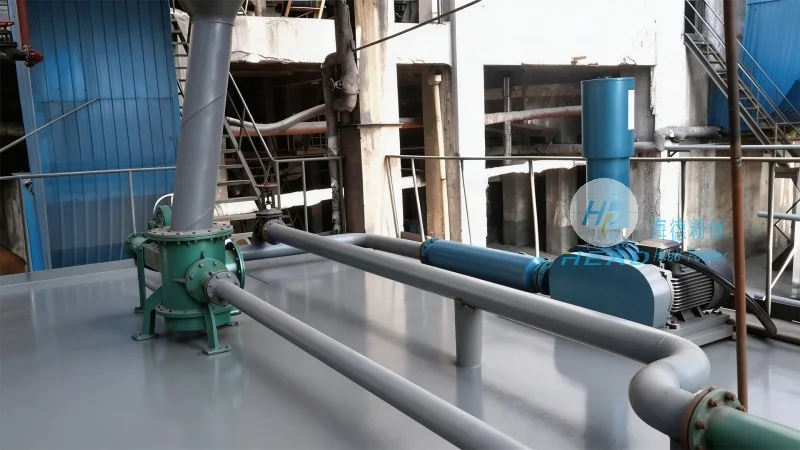
Classification of Phenolic Resin Pneumatic Conveying Systems
Phenolic resin pneumatic conveying systems can be classified based on several key factors, including the conveying principle, material handling capacity, and operational environment. The primary classifications include:
- Positive Pressure Conveying: This system operates by blowing air or gas into the conveying line, creating a positive pressure that propels the material forward. It is suitable for short to medium distance transport and is commonly used in applications where the material is light and has good flow characteristics.
- Negative Pressure (Vacuum) Conveying: In this system, a vacuum is created at the receiving end, drawing the material through the pipeline. It is ideal for long-distance transport and is often used when the material is heavy or has poor flowability, as the vacuum helps to maintain material integrity and prevent dust emissions.
- Combined Pressure-Vacuum Conveying: This hybrid system combines elements of both positive and negative pressure methods, offering flexibility in handling a wide range of materials, including phenolic resin powders with varying particle sizes and moisture content.
Key Components of Phenolic Resin Pneumatic Conveying Systems
Effective phenolic resin pneumatic conveying systems consist of several critical components that work in tandem to ensure efficient material transport. These components include:
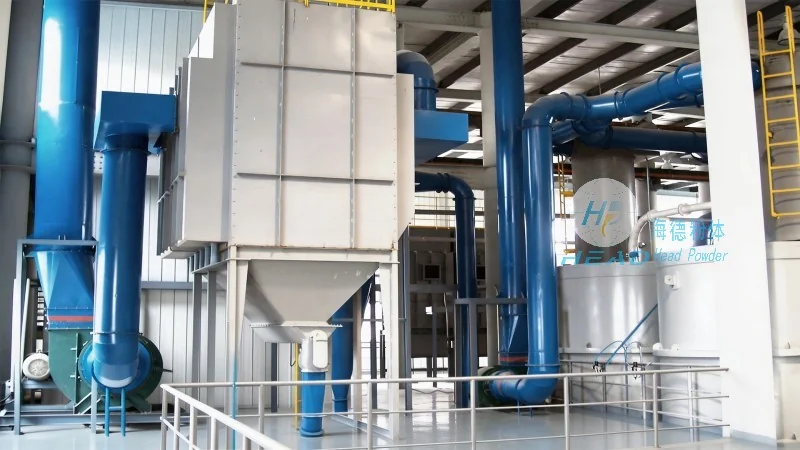
- Feeder: The feeder is responsible for accurately metering and feeding the phenolic resin into the conveying line. For phenolic resin, which can be abrasive and sticky, specialized feeders such as rotary valves or screw feeders are often used to prevent material buildup and ensure consistent flow.
- Conveying Pipeline: The pipeline is typically made of materials like stainless steel or plastic, chosen for their resistance to chemical corrosion and wear from the phenolic resin particles. The design of the pipeline, including bends and fittings, is crucial to minimize pressure drop and maintain material velocity.
- Gas Supply System: This component provides the necessary air or gas (often filtered and dried to remove moisture and contaminants) to power the conveying process. The gas supply system includes compressors, filters, and regulators to ensure stable and clean air delivery.
- Receiver: The receiver is where the phenolic resin is deposited after being conveyed. It is designed to handle the material's characteristics, such as its tendency to agglomerate or clog, with features like vibration or agitation to maintain material flow.
Applications of Phenolic Resin Pneumatic Conveying Systems
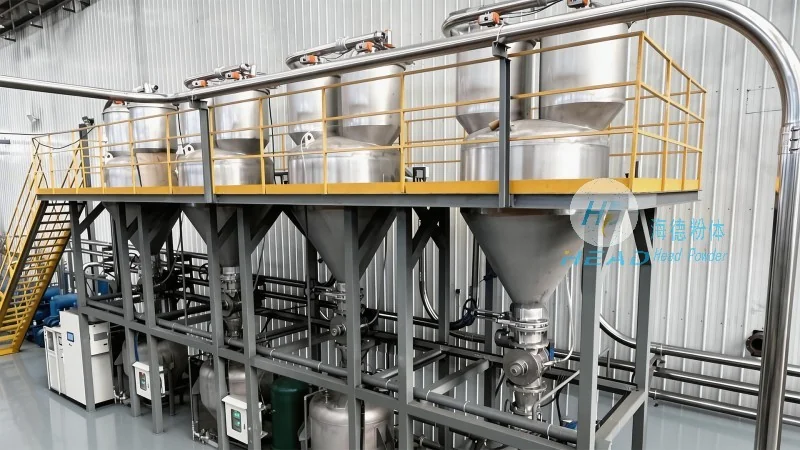
Phenolic resin pneumatic conveying systems find extensive applications across various industries, leveraging the material's unique properties. Some of the key applications include:
- Automotive Industry: Phenolic resin is used in the production of automotive components, such as brake pads and clutch parts. Pneumatic conveying systems are employed to transport these resin powders to molding machines, ensuring precise and consistent material delivery for high-quality product manufacturing.
- Aerospace Industry: In aerospace applications, phenolic resin is used for composite materials, including aircraft interiors and structural components. The ability of pneumatic conveying systems to handle fine powders with high precision makes them essential for producing lightweight and durable aerospace parts.
- Electronics Industry: Phenolic resin is utilized in the manufacturing of electronic components, such as circuit boards and insulators. Pneumatic conveying systems help in transporting these resin powders to coating or molding processes, maintaining the purity and consistency required for electronic applications.
- Construction Materials: Phenolic resin is used in the production of insulation materials and adhesives for construction. Pneumatic conveying systems facilitate the efficient transport of these materials from storage to production lines, improving operational efficiency in construction material manufacturing.
Benefits of Using Phenolic Resin Pneumatic Conveying Systems
Implementing phenolic resin pneumatic conveying systems offers several advantages for industrial operations. These benefits include:
- Increased Efficiency and Productivity: Pneumatic conveying systems enable continuous and automated material transport, reducing labor costs and increasing production throughput compared to traditional methods like manual handling or mechanical conveyors.
- Improved Material Handling and Safety: By eliminating the need for manual handling of powders, pneumatic conveying systems enhance workplace safety by reducing the risk of dust exposure and material spills. This is particularly important for phenolic resin, which can be hazardous if inhaled or come into contact with skin.
- Reduced Maintenance and Downtime: Well-designed pneumatic conveying systems have fewer moving parts compared to mechanical conveyors, resulting in lower maintenance requirements and reduced downtime. This translates to lower operational costs and higher system reliability.
- Enhanced Material Quality and Consistency: Pneumatic conveying systems maintain the integrity of phenolic resin powders by minimizing material degradation, agglomeration, and contamination. This ensures consistent material quality, which is critical for achieving uniform product performance in end-use applications.
Conclusion and Company Overview
Phenolic resin pneumatic conveying systems are a vital technology for efficiently handling phenolic resin powders in various industrial applications. The classification and design of these systems are tailored to meet the specific requirements of different industries, ensuring optimal performance and material transport. As a leading provider in the field, Shandong HeadPowder Engineering Co., Ltd. specializes in the design, manufacturing, and installation of advanced pneumatic conveying systems for phenolic resin and other bulk materials. With a focus on innovation and customer satisfaction, HeadPowder delivers customized solutions that enhance operational efficiency and product quality for its clients.