

Classification and Application Analysis of Light-Weight Calcium Carbonate Pneumatic Conveying System
Light-weight calcium carbonate (LCC) pneumatic conveying systems can be classified based on several key parameters. The primary classification is by the pressure differential within the conveying line, which determines the system's operational mode. Positive pressure systems, also known as pressure conveying systems, utilize compressed air or other gases to push material through the pipeline. This method is suitable for long-distance and high-capacity applications, as it can handle larger particles and resist blockages more effectively. Negative pressure systems, or vacuum conveying systems, use a vacuum to draw material from the source to the destination. These systems are ideal for short-distance transfers and are commonly used in applications where dust control is critical, such as in food processing or pharmaceutical industries.
Another classification criterion is the type of equipment used for material handling. Pipeline conveying systems involve continuous or intermittent flow of material through a closed pipeline network. This approach is highly efficient for bulk material transport and is widely adopted in industrial settings. On the other hand, hopper or bin feeding systems use a hopper or bin to store and feed material into the conveying line. This method is particularly useful for handling materials with varying flow characteristics, such as those with high moisture content or cohesive properties.
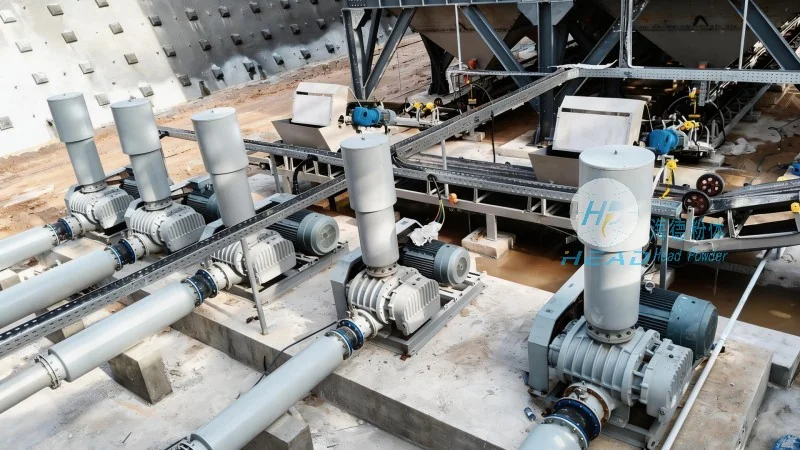
Additionally, the system can be classified by the method of air supply. Positive displacement blowers, which deliver a constant volume of air regardless of pressure, are commonly used in pressure conveying systems. Centrifugal fans, which adjust air volume based on pressure changes, are often employed in vacuum systems. The choice of air supply equipment depends on the specific requirements of the application, including the required flow rate, pressure, and material characteristics.
Application Analysis of Light-Weight Calcium Carbonate Pneumatic Conveying Systems
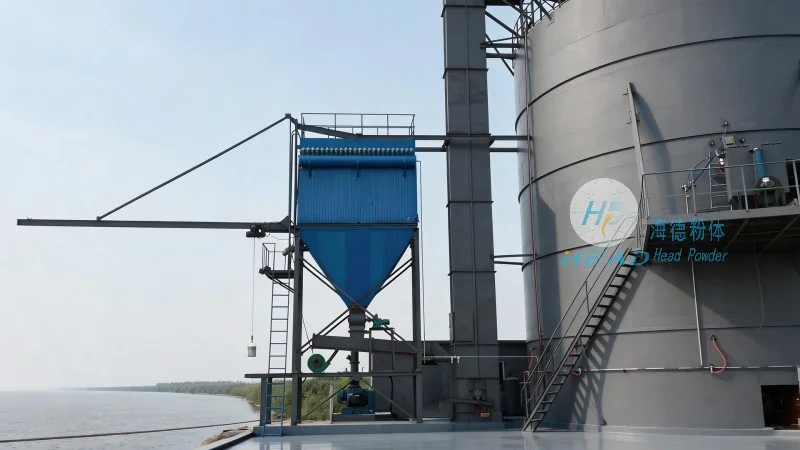
The application of light-weight calcium carbonate pneumatic conveying systems is widespread across various industries due to their efficiency and adaptability. In the chemical industry, these systems are used to transport LCC from storage silos to production lines, ensuring a continuous supply of raw material. The positive pressure systems are preferred here because they can handle the high volume of material required for large-scale chemical processes. In the food and beverage industry, vacuum conveying systems are often preferred to maintain product purity and prevent contamination. The gentle handling of material by vacuum systems is crucial for delicate food products, such as powdered dairy or fruit powders.
In the pharmaceutical sector, the use of pneumatic conveying systems is critical for maintaining strict hygiene standards. The closed system design prevents cross-contamination and ensures that the material remains in a controlled environment throughout the transfer process. The negative pressure systems are particularly suitable for this application, as they minimize dust generation and allow for easy cleaning of the conveying line. This is essential for pharmaceutical products, where even trace amounts of impurities can affect product quality and safety.
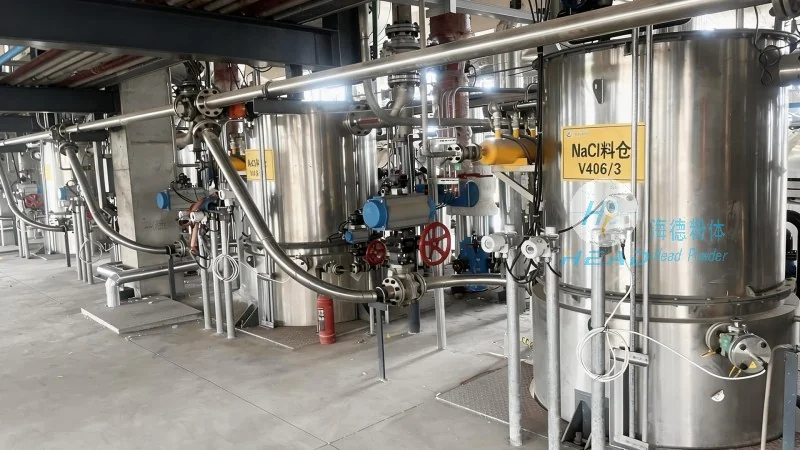
In the construction materials industry, LCC is used as a filler in concrete and other building materials. Pneumatic conveying systems are used to transport LCC from storage facilities to mixing plants. The ability to handle large quantities of material efficiently makes these systems ideal for construction projects, where timely delivery of raw materials is crucial. The positive pressure systems are commonly used here due to their high capacity and reliability.
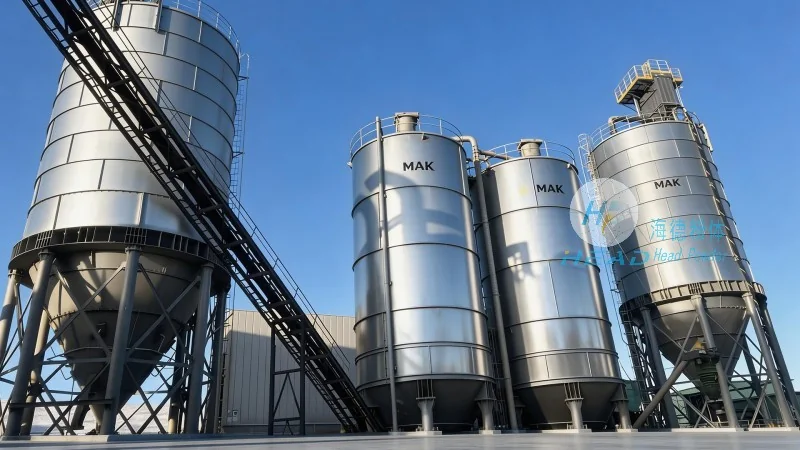
Furthermore, the systems are also applied in the paper and plastic industries. In the paper industry, LCC is used as a filler in paper production, and pneumatic conveying systems help in transporting the material to the paper machines. The negative pressure systems are often used to avoid dust accumulation in the paper mill, which can affect the quality of the final product. In the plastic industry, LCC is used as a reinforcing agent, and the conveying systems ensure that the material is delivered to the extrusion or molding equipment without any blockages.
About HeadPowder Engineering
HeadPowder Engineering, also known as headpowder, is a leading manufacturer of pneumatic conveying systems specializing in light-weight calcium carbonate applications. With its headquarters in Shandong, China, the company has established itself as a trusted provider of industrial material handling solutions. The company's expertise lies in designing and manufacturing customized pneumatic conveying systems that meet the specific needs of various industries. By leveraging advanced technology and engineering expertise, HeadPowder Engineering ensures that its systems are efficient, reliable, and cost-effective. The company's commitment to quality and customer satisfaction has made it a preferred choice for businesses seeking to optimize their material handling processes.