

Classification and Application Analysis of Desulfurization and Denitrification Agent Pneumatic Conve
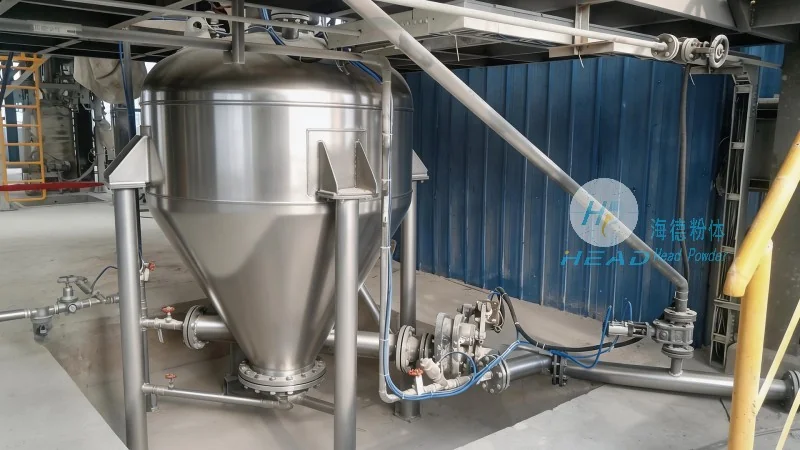
HeadPowder, a leading provider in the field of industrial material handling solutions, specializes in the design, manufacturing, and implementation of advanced pneumatic conveying systems for desulfurization and denitrification agents. Based in Shandong, China, the company has established itself as a trusted partner for clients seeking efficient and reliable systems to handle these critical chemical agents. This article provides a comprehensive classification and application analysis of such systems, highlighting their technical features, operational advantages, and practical implementation strategies.
Introduction to Pneumatic Conveying Systems for Desulfurization and Denitrification Agents
Pneumatic conveying systems are essential for the safe and efficient transport of desulfurization and denitrification agents, which are widely used in power plants and industrial facilities to reduce sulfur dioxide (SO₂) and nitrogen oxides (NOₓ) emissions. These agents, often in powder or granular form, require specialized handling equipment to ensure minimal dust generation, consistent flow, and compliance with environmental regulations. The systems typically involve the use of air or other gases to move the material through pipelines, offering advantages such as low maintenance, flexibility in layout, and the ability to handle hazardous materials in a controlled environment.
Classification of Pneumatic Conveying Systems
There are primarily two main categories of pneumatic conveying systems used for desulfurization and denitrification agents: positive pressure systems and negative pressure systems. Each type has distinct characteristics and is suitable for different operational requirements.
Positive Pressure Pneumatic Conveying Systems
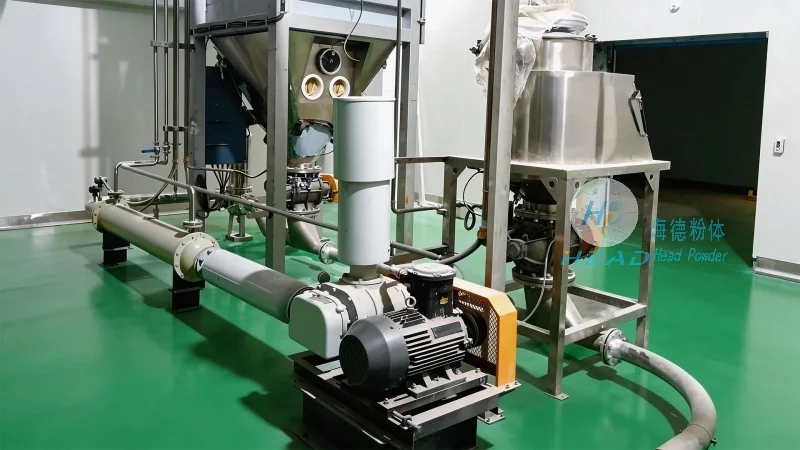
Positive pressure systems operate by blowing air or gas into the conveying line, creating a pressure higher than the ambient air pressure. This method is commonly used for short to medium distance conveying and for materials that are non-abrasive or moderately abrasive. The system typically includes a blower, a hopper for material storage, and a pipeline network. The positive pressure helps to maintain a consistent flow rate and prevents the material from settling in the pipeline. HeadPowder's positive pressure systems are designed with high-efficiency blowers and robust material handling components to ensure reliable operation in demanding industrial environments.
Negative Pressure Pneumatic Conveying Systems
Negative pressure systems, also known as vacuum systems, operate by creating a vacuum in the conveying line, drawing material from the source into the pipeline. This approach is ideal for long-distance conveying and for handling materials that are fine or have a tendency to generate dust. The vacuum helps to maintain a consistent suction rate and reduces the risk of material spillage or contamination. Negative pressure systems are particularly suitable for applications where the material needs to be transported from multiple sources or where the receiving point is at a lower elevation. HeadPowder's negative pressure systems incorporate advanced vacuum pumps and filtration systems to ensure efficient and clean material transport.
Application Analysis of Pneumatic Conveying Systems
The application of pneumatic conveying systems for desulfurization and denitrification agents varies based on the specific requirements of the industrial facility. Key factors influencing the choice of system include the distance between the source and destination, the material characteristics (such as particle size, moisture content, and abrasiveness), and the required flow rate. The following are common applications where these systems are widely utilized:
Application in Power Plant Desulfurization Systems
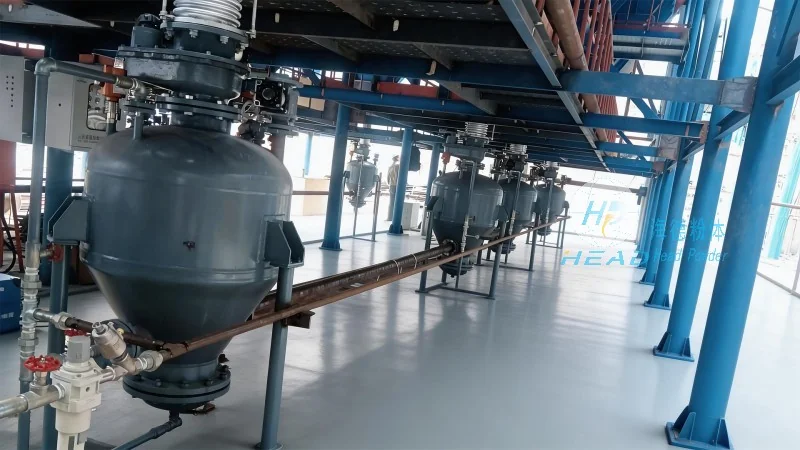
In power plants, desulfurization agents are used to treat flue gas to reduce SO₂ emissions. Pneumatic conveying systems are used to transport these agents from storage silos to the reaction towers. The systems must be capable of handling large volumes of material at high flow rates while maintaining low dust emissions. HeadPowder's systems are designed to meet the high throughput requirements of power plants, with features such as variable speed control and advanced filtration to ensure compliance with environmental standards.
Application in Industrial Boiler Denitrification Systems
Industrial boilers also require denitrification agents to reduce NOₓ emissions. Pneumatic conveying systems are used to transport these agents from storage to the injection points in the boiler. The systems must be able to handle materials with varying particle sizes and moisture content, and they should be equipped with anti-corrosion components to withstand the acidic environment of the flue gas. HeadPowder's systems are engineered with corrosion-resistant materials and advanced control systems to ensure long-term reliability in industrial boiler applications.
Application in Chemical Processing Plants
Chemical processing plants often use desulfurization and denitrification agents as part of their emission control processes. Pneumatic conveying systems are used to transport these agents between different processing units, such as from storage to reactors or from reactors to waste treatment facilities. The systems must be able to handle materials that may be sensitive to moisture or air exposure, and they should include features like dust collection and material recovery to minimize waste. HeadPowder's systems are customized to meet the specific chemical processing requirements, with options for closed-loop operation and material recycling.
Technical Advantages and Operational Considerations
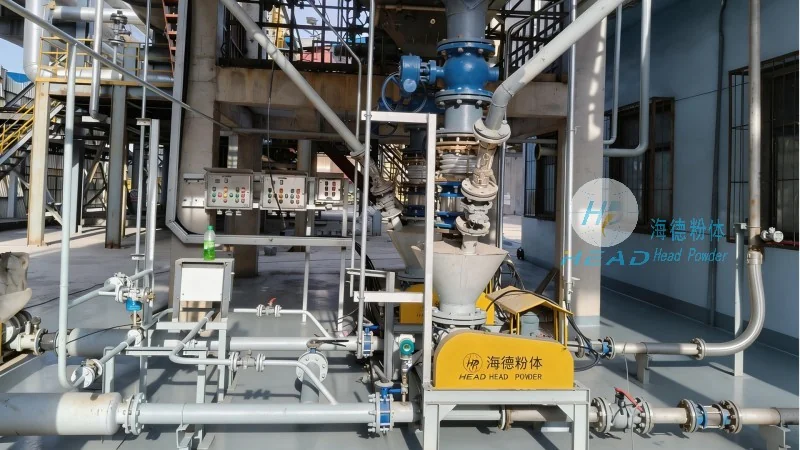
Pneumatic conveying systems for desulfurization and denitrification agents offer several technical advantages over traditional mechanical conveying methods. These include reduced labor costs, lower energy consumption, and improved safety due to the enclosed nature of the system. However, there are also operational considerations that must be addressed to ensure optimal performance. For example, the system must be designed to handle the specific properties of the material, such as its flowability and abrasiveness, to prevent pipeline blockages or equipment wear. HeadPowder's engineering team conducts thorough material analysis and system simulations to ensure that the chosen system meets all operational requirements and provides long-term reliability.
Conclusion
Pneumatic conveying systems are a critical component in the efficient and environmentally compliant operation of desulfurization and denitrification processes. The classification and application analysis presented in this article highlight the importance of selecting the appropriate system based on specific operational needs. HeadPowder, with its expertise in industrial material handling, provides customized solutions that address the unique challenges of handling desulfurization and denitrification agents. By leveraging advanced technology and engineering expertise, HeadPowder ensures that its systems deliver reliable performance, minimal environmental impact, and cost-effective operation for clients in the power and industrial sectors.