

Components of Air-Powered Dust Removal Systems
Understanding the components of air-powered dust removal systems is crucial for optimizing industrial processes and ensuring efficient material handling. These systems, commonly used in various industries such as mining, construction, and manufacturing, rely on a combination of specialized equipment to transport and treat dust-laden air. The core components work in tandem to capture, transport, and filter particulate matter, thereby enhancing workplace safety and environmental compliance.
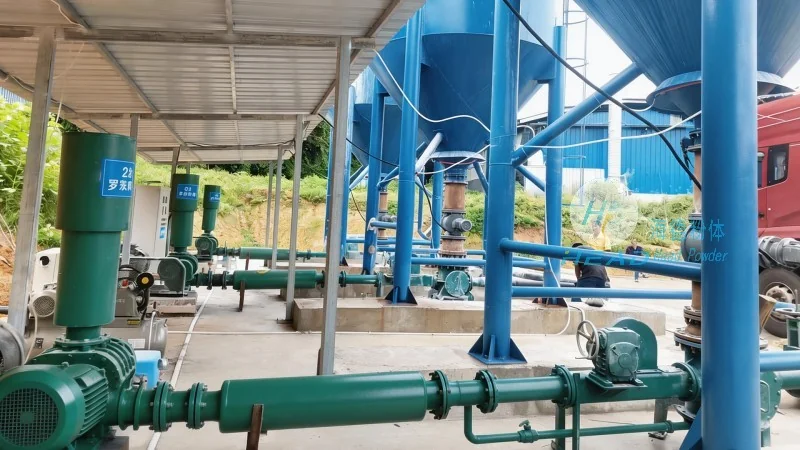
Key Components of Air-Powered Dust Removal Systems
The air-powered dust removal system typically consists of several critical components that work together to achieve effective dust control. Each component plays a vital role in the overall operation, ensuring that dust is captured, transported, and treated efficiently. The main components include the dust collector, air transport system, and filtration units. These elements are designed to handle different types of dust and operating conditions, making them versatile for various industrial applications.
The Role of the Dust Collector
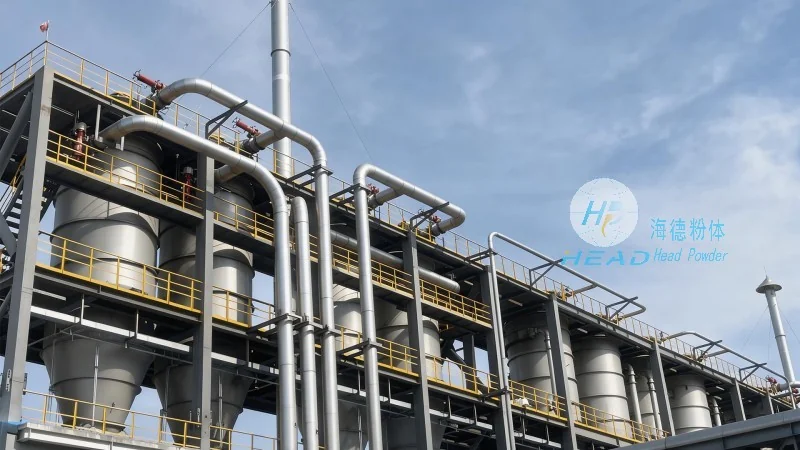
The dust collector is the central component of any air-powered dust removal system. Its primary function is to capture and separate dust particles from the air stream. There are several types of dust collectors, including baghouse filters, cartridge filters, and cyclone separators. Each type operates based on different principles, such as filtration, centrifugal force, or electrostatic attraction. The choice of dust collector depends on the size and nature of the dust particles, as well as the volume of air being processed. For example, baghouse filters are effective for fine particles, while cyclone separators are suitable for larger particles. The dust collector is responsible for reducing the concentration of dust in the air, making it safe to release into the environment or recycle back into the process.
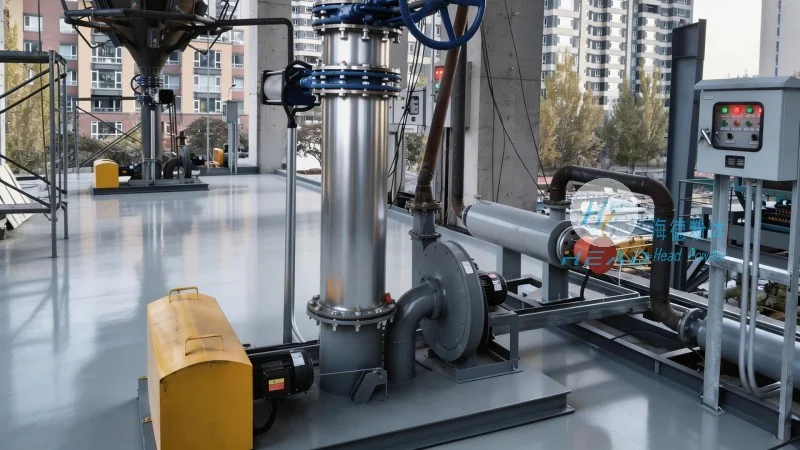
Air Transport System: The Core of Material Handling
The air transport system is another essential component that enables the movement of dust-laden air from the source to the dust collector. This system typically includes a blower or fan that generates the necessary airflow to transport the particles. The blower is responsible for creating the pressure differential required to move the air through the system. The air transport system may also include ductwork, which directs the air from the source to the dust collector. The ductwork is designed to minimize pressure loss and ensure efficient airflow. In some systems, the ductwork may include bends, elbows, or other fittings that help to direct the air flow. The air transport system is critical for maintaining the integrity of the dust removal process, as any disruption in the airflow can lead to reduced efficiency or even system failure.
Filtration Units: Ensuring Clean Air and Material Recovery
Filtration units are the final component in the air-powered dust removal system, responsible for removing the remaining dust particles from the air stream. These units are typically located after the dust collector and are designed to capture the smallest particles that may have escaped the initial separation. The most common types of filtration units include cartridge filters and bag filters. Cartridge filters use a pleated paper or fabric filter to trap dust particles, while bag filters use individual fabric bags to capture the particles. The filtration units are designed to be easily replaced or cleaned, ensuring that the system can continue to operate efficiently over time. In some cases, the filtration units may also be equipped with a reverse air system, which helps to clean the filters and maintain their effectiveness. The filtration units are crucial for ensuring that the air released from the system is clean and meets the required environmental standards.
Additional Components and Their Functions
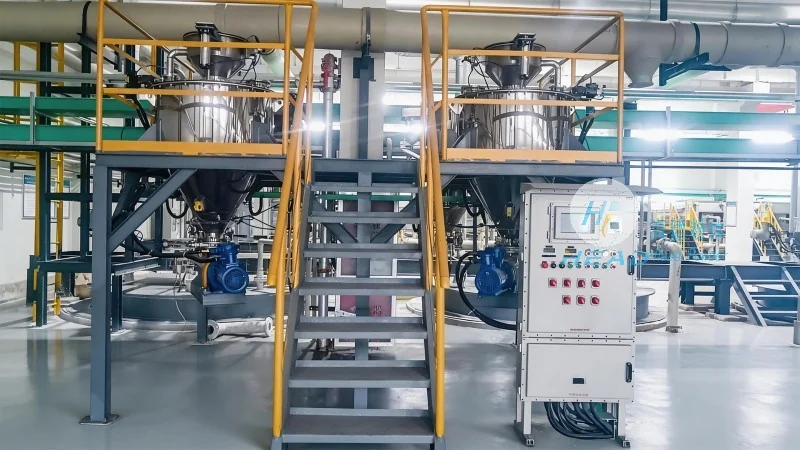
Beyond the core components, air-powered dust removal systems may include additional elements to enhance their performance and functionality. These may include control systems, which monitor the system's operation and adjust the airflow or filtration as needed. Control systems can help to optimize the system's performance and reduce energy consumption. Additionally, some systems may include material recovery units, which collect the captured dust and return it to the process or for reuse. Material recovery units are particularly useful in industries where the dust is a valuable byproduct, such as in the mining or cement industries. These units help to reduce waste and improve the overall efficiency of the process.
Importance of Proper Installation and Maintenance
The effectiveness of an air-powered dust removal system depends not only on its components but also on proper installation and regular maintenance. Proper installation ensures that the system is set up correctly and operates efficiently. This includes ensuring that the ductwork is properly sealed and that the blower is properly sized for the system's requirements. Regular maintenance is also crucial to ensure that the system continues to operate at optimal levels. This includes cleaning or replacing filters, checking the blower's performance, and inspecting the ductwork for any signs of damage or wear. Regular maintenance can help to extend the life of the system and reduce the risk of breakdowns or inefficiencies.
Conclusion: The Comprehensive Approach to Dust Control
In conclusion, air-powered dust removal systems are complex and multifaceted, consisting of several key components that work together to achieve effective dust control. The dust collector, air transport system, and filtration units are the core components, each playing a vital role in the overall operation. Additional components, such as control systems and material recovery units, can enhance the system's performance and functionality. Proper installation and regular maintenance are essential to ensure that the system operates efficiently and effectively. By understanding the components and their functions, industries can choose the right system for their needs and ensure that they meet the required safety and environmental standards. The air-powered dust removal system is a critical tool for maintaining a safe and healthy work environment, and its proper implementation is essential for the success of any industrial operation.