

What Comprises the Alumina Pneumatic Conveying System
Alumina pneumatic conveying systems are integral to the efficient handling and transportation of alumina in industrial processes. The composition of such systems is critical to ensuring optimal performance, reliability, and safety in material handling operations. This article explores the key components that make up an alumina pneumatic conveying system, highlighting the expertise and solutions provided by Shandong HeadPowder Engineering Co., Ltd. (referred to as HeadPowder) from China.
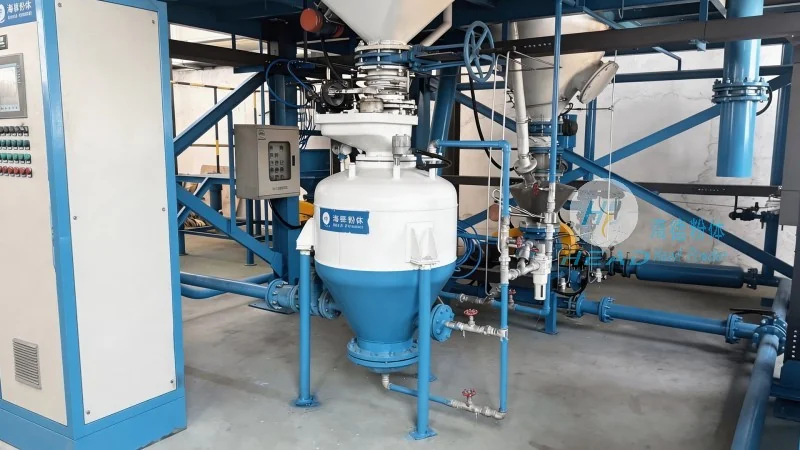
Key Components of an Alumina Pneumatic Conveying System
The alumina pneumatic conveying system typically consists of several essential components that work in concert to transport alumina particles from a source to a destination. These components are designed to handle the unique properties of alumina, such as its abrasive nature and potential for dust generation, while maintaining high efficiency and minimal material loss.
The Air Supply System
A critical component of any pneumatic conveying system is the air supply system. This system generates and regulates the airflow necessary to move the alumina particles through the conveying lines. The air supply is usually provided by a blower or a compressor, which can be either positive displacement or centrifugal types. The choice of air supply equipment depends on factors like the system's capacity, the distance to be covered, and the required pressure. HeadPowder specializes in selecting and integrating appropriate air supply units that ensure consistent and reliable airflow, minimizing energy consumption and operational costs.
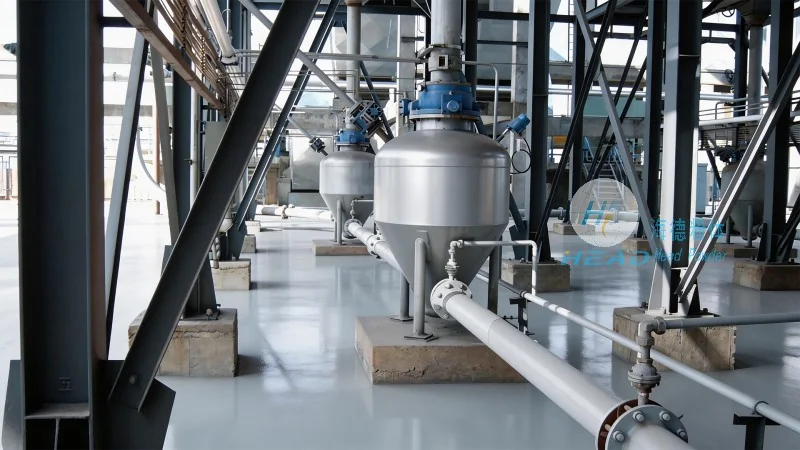
Conveying Pipelines
The conveying pipelines form the backbone of the alumina pneumatic conveying system. These pipelines are typically made of materials that can withstand the abrasive nature of alumina and resist corrosion. Common materials include stainless steel, polyethylene, or specialized coatings on metal pipes. The pipeline design, including the diameter, length, and layout, is crucial for maintaining the desired air velocity and preventing material buildup or blockages. HeadPowder engineers design and install pipelines that optimize material flow, ensuring smooth and continuous operation while reducing the risk of system downtime.
Separation and Dust Collection Equipment
As alumina is a fine powder, it is essential to include separation and dust collection equipment to prevent dust emissions and maintain a clean working environment. This component typically consists of a cyclone separator or a baghouse filter, which captures the alumina particles from the air stream and returns them to the system or stores them in a collection bin. The separation efficiency of this equipment is vital for compliance with environmental regulations and for maintaining the quality of the alumina product. HeadPowder incorporates advanced separation technologies that ensure high efficiency and minimal loss of material, contributing to both environmental sustainability and operational effectiveness.
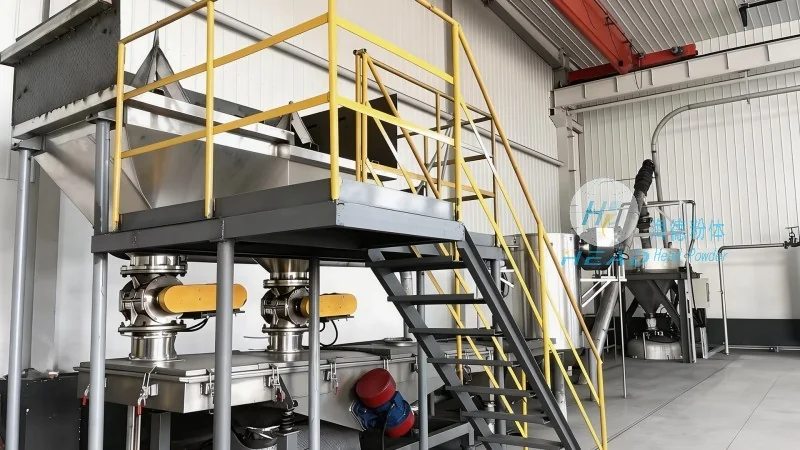
Control and Monitoring Systems
Modern alumina pneumatic conveying systems are equipped with control and monitoring systems to manage the operation and ensure safety. These systems may include sensors for pressure, flow, and temperature, as well as control panels that allow operators to adjust system parameters in real-time. The control system can also include alarms and safety interlocks to prevent accidents and protect equipment from damage. HeadPowder provides comprehensive control solutions that enhance system reliability, reduce maintenance needs, and improve overall operational efficiency.
Application-Specific Components
Depending on the specific application, additional components may be required to tailor the alumina pneumatic conveying system to the process needs. For example, in systems handling high-volume alumina, larger diameter pipelines and more powerful air supply units may be necessary. In applications where the alumina is sensitive to moisture or temperature changes, specialized drying or cooling equipment may be integrated. HeadPowder's engineering team works closely with clients to assess their unique requirements and design customized solutions that address specific challenges, ensuring optimal performance and long-term reliability.