

Components of Fine Coal Powder Pneumatic Conveying
When discussing fine coal powder pneumatic conveying systems, it's essential to understand the core components that make up this technology. The system is designed to transport fine coal powder through a network of pipes using air pressure or vacuum. Each component plays a critical role in ensuring efficient, reliable, and safe operation. This article will explore the key elements that constitute a fine coal powder pneumatic conveying system, providing insights into the technology's functionality and the role of each part.
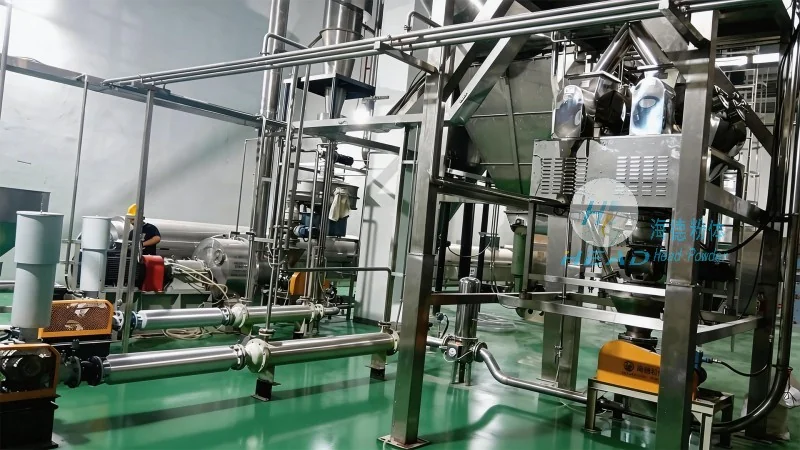
Core Components of Fine Coal Powder Pneumatic Conveying Systems
The primary components of a fine coal powder pneumatic conveying system typically include the material hopper, feeder, conveying line, and receiver. The material hopper is where the fine coal powder is stored before being fed into the system. It is designed to maintain a consistent material level and prevent clogging. The feeder is responsible for controlling the flow rate of the coal powder into the conveying line. This component ensures that the material is introduced at a steady rate, which is crucial for maintaining system efficiency and preventing pressure surges.
The conveying line is the central part of the system, consisting of pipes that transport the coal powder. The choice of pipe material and diameter is critical, as it affects the system's performance and the pressure drop. Common materials for conveying lines include stainless steel, carbon steel, and plastic, each with its own advantages depending on the specific application and the properties of the coal powder. The line may also include bends, elbows, and other fittings that guide the material through the system.
The receiver is the final component where the coal powder is deposited after being conveyed. It is designed to collect the material and prevent it from escaping or being contaminated. The receiver may include a dust collection system to ensure that any fine particles are captured and returned to the process. This component is essential for maintaining the purity of the coal powder and preventing environmental contamination.
Feeder and Material Handling Equipment
Feeder systems are a critical part of fine coal powder pneumatic conveying, as they control the flow of material into the conveying line. There are several types of feeders used in these systems, including rotary valves, screw feeders, and vibratory feeders. Rotary valves are commonly used due to their ability to handle a wide range of materials and provide a consistent flow rate. Screw feeders are suitable for materials with a higher bulk density and can handle larger quantities. Vibratory feeders are used for materials that are prone to bridging or clogging, as the vibration helps to break up clumps and maintain a smooth flow.
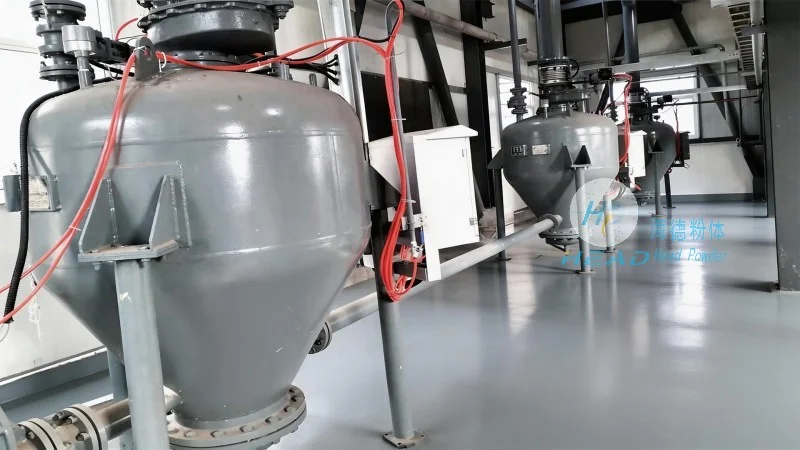
The feeder is typically connected to the material hopper and is designed to minimize the risk of material buildup or blockages. Proper maintenance of the feeder is essential to ensure consistent performance and prevent downtime. Regular cleaning and inspection of the feeder components can help to identify and address issues before they become major problems.
Conveying Line Design and Materials
The design of the conveying line is a key factor in the efficiency of the fine coal powder pneumatic conveying system. The line must be able to handle the pressure and flow rates required for the application. The diameter of the pipe is determined by the material's properties, such as particle size, density, and moisture content. Larger particles may require a larger diameter pipe to prevent blockages, while smaller particles can be conveyed in smaller pipes.
The material of the pipe is also important. Stainless steel is commonly used due to its corrosion resistance and durability, especially in applications where the coal powder may contain acidic or corrosive components. Carbon steel is a more cost-effective option and is suitable for applications where the material is less corrosive. Plastic pipes are used in some applications where the material is non-corrosive and where flexibility is required.
The conveying line may also include pressure vessels or surge tanks to store excess material and maintain system pressure. These components help to stabilize the system and prevent pressure fluctuations that could affect the flow rate or cause equipment damage.
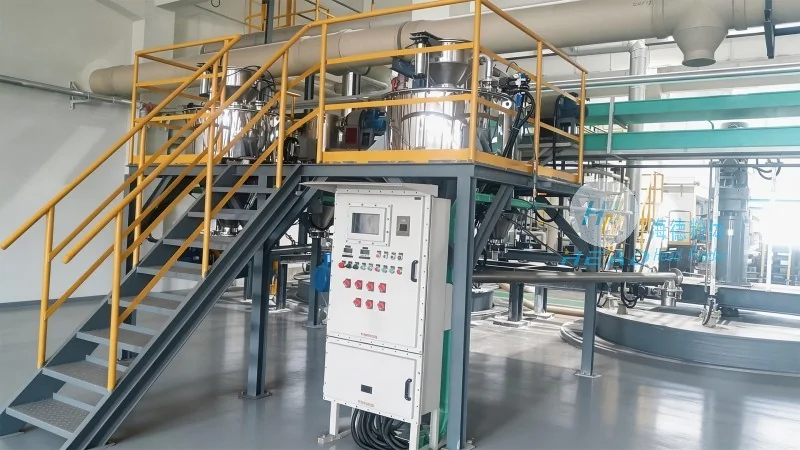
Receiver and Dust Collection Systems
The receiver is the final component of the fine coal powder pneumatic conveying system, where the material is deposited. It is designed to collect the coal powder and prevent it from escaping or being contaminated. The receiver may include a hopper or a bin that is connected to the conveying line. The design of the receiver is critical to ensure that the material is collected efficiently and that the system operates without leaks.
Dust collection systems are often integrated with the receiver to capture any fine particles that may escape during the conveying process. These systems use filters or cyclones to remove the dust from the air and return it to the process or dispose of it appropriately. Proper maintenance of the dust collection system is essential to ensure that it operates effectively and does not become a source of contamination or health hazards.
Control and Monitoring Systems
Modern fine coal powder pneumatic conveying systems often include control and monitoring systems to ensure optimal performance. These systems may include sensors to monitor pressure, flow rate, and temperature, as well as control valves to adjust the system's operation. The control system may also include alarms and indicators to alert operators of any issues or deviations from normal operation.
The use of automation and digital control systems has improved the efficiency and reliability of fine coal powder pneumatic conveying systems. These systems can be programmed to adjust the flow rate or pressure based on the material's properties or the system's load, ensuring that the system operates at its optimal performance level. Regular monitoring and maintenance of the control system are essential to ensure that it continues to function correctly and provide accurate data.
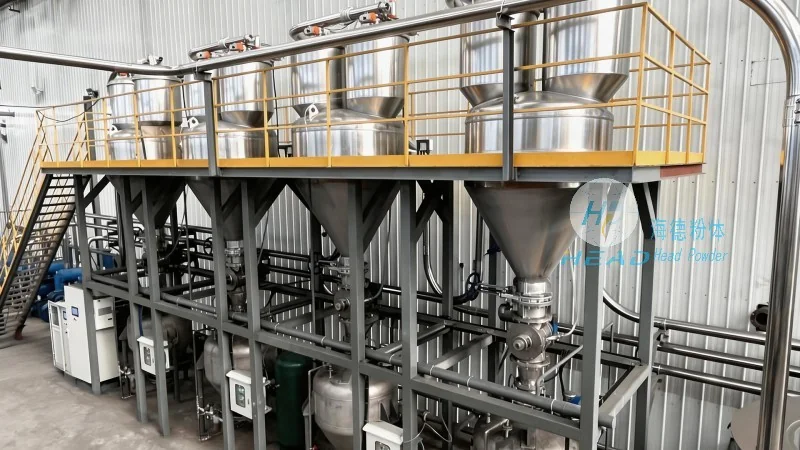
Applications and Benefits of Fine Coal Powder Pneumatic Conveying
Fine coal powder pneumatic conveying systems are used in a variety of industries, including power generation, cement production, and chemical processing. The technology offers several benefits, including the ability to transport fine materials over long distances, the reduction of material handling costs, and the improvement of safety by eliminating the need for manual handling of powders.
The system is particularly useful for transporting materials that are difficult to handle by other means, such as those with high moisture content or those that are prone to caking. The use of pneumatic conveying also reduces the risk of dust explosions and other safety hazards associated with manual handling of powders.
Shandong HeadPowder Engineering Co., Ltd. specializes in the design and manufacturing of fine coal powder pneumatic conveying systems. With years of experience in the industry, the company provides customized solutions tailored to the specific needs of its clients. The company's products are designed to meet the highest standards of quality and performance, ensuring reliable and efficient operation in a variety of applications.
Located in Shandong, China, Shandong HeadPowder Engineering Co., Ltd. leverages its expertise and local resources to deliver innovative solutions for fine coal powder handling. The company's commitment to quality and customer satisfaction has made it a trusted partner for businesses in the power and chemical industries. By understanding the unique challenges of fine coal powder handling, the company provides systems that are tailored to the specific requirements of each project, ensuring optimal performance and long-term reliability.