

What Comprises the Pneumatic Conveying of Sodium Hydrosulfite
Shandong HeadPowder Engineering Co., Ltd., a leading provider of industrial material handling solutions, specializes in pneumatic conveying systems for sodium hydrosulfite. The company, commonly referred to as headpowder, is headquartered in Shandong, China, and has a strong reputation for delivering high-quality equipment tailored to the needs of various industries. This article delves into the components that make up a sodium hydrosulfite pneumatic conveying system, offering a comprehensive overview of the technical and functional elements that ensure efficient material transport.
Key Components of a Pneumatic Conveying System for Sodium Hydrosulfite
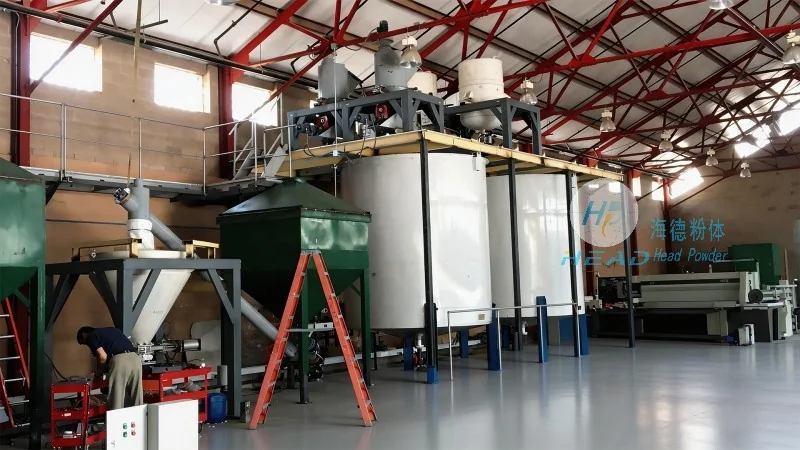
A pneumatic conveying system for sodium hydrosulfite typically comprises several interconnected parts designed to manage the material from storage to processing. The main components include the material feed system, the conveying line, the air supply unit, and the control mechanisms. Each part is vital for maintaining system performance and safety.
Material Feed System
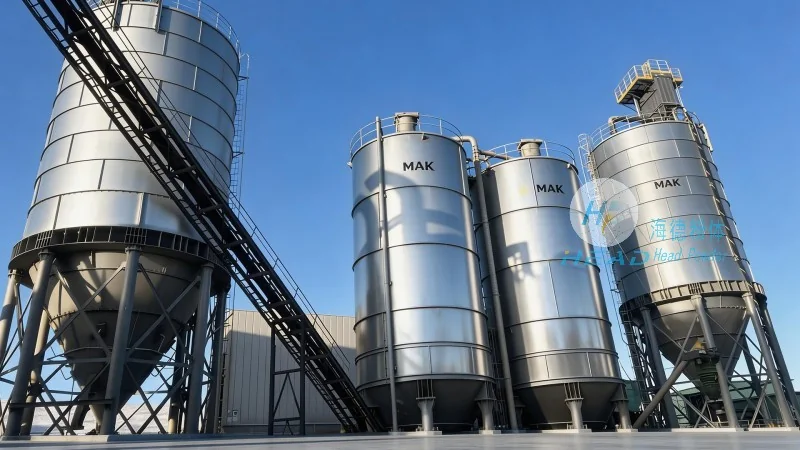
The material feed system introduces sodium hydrosulfite into the conveying line. It usually consists of a hopper or silo for storage, a feeder like a rotary valve or screw feeder to regulate flow, and a pre-filter to remove large particles or debris. The feeder must handle the material's bulk density and flow characteristics to ensure consistent feed rates. For example, rotary valves are common due to their ability to manage abrasive materials like sodium hydrosulfite without clogging or excessive wear.
Air Supply Unit
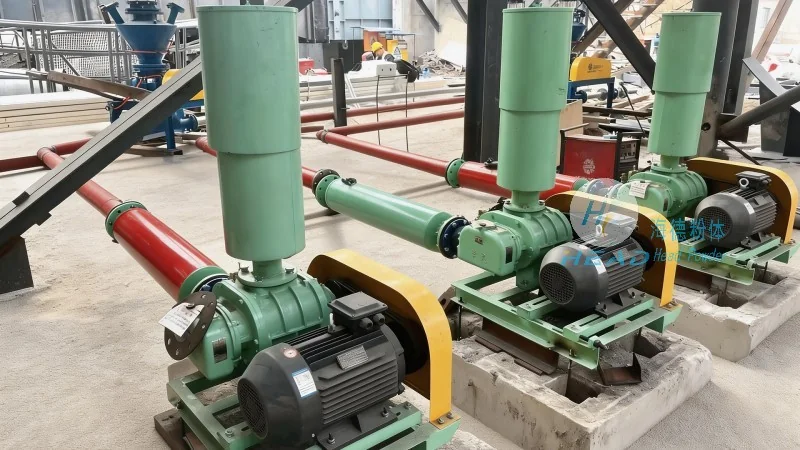
The air supply unit provides the necessary pressure and volume of air to move the material through the line. It generally includes a blower or compressor, an air filter to remove contaminants, and a pressure regulator to maintain stable pressure. The choice of equipment depends on system capacity and conveying distance. High-pressure blowers are often used for long-distance or high-capacity needs, as they generate sufficient air velocity to overcome friction and resistance in the pipeline.
Conveying Line and Pipeline Design
The conveying line, typically made of stainless steel, plastic, or other corrosion-resistant materials, is designed to withstand sodium hydrosulfite's properties. The pipeline layout is planned to minimize bends and directional changes to avoid material buildup or blockages. Pipeline diameter is determined by the material's bulk density, flow rate, and required air velocity. Proper design ensures efficient transport while reducing energy use and component wear.
Control and Monitoring Systems
Modern systems include advanced control and monitoring systems for safe, efficient operation. These include pressure sensors, flow meters, and alarms that detect blockages, pressure drops, or air leaks. The control panel allows real-time adjustment of parameters like feed rate and air pressure. Monitoring data supports maintenance planning, preventing unexpected breakdowns and extending system life.
Safety Considerations
Given sodium hydrosulfite's chemical properties, safety is paramount. The system must have explosion-proof components (e.g., air supply, control panel) and proper ventilation to remove fumes or dust. Regular maintenance and inspections ensure components are in good condition and safety protocols are followed.
Application and Industry Use
Sodium hydrosulfite is used in industries like pulp and paper, textiles, and food processing as a reducing or bleaching agent. The pneumatic conveying system is ideal for these applications, enabling safe, efficient transport from storage to processing equipment. It reduces labor costs and improves production efficiency. Understanding system components helps manufacturers optimize processes and maintain product quality.