

Components of Hydrogen Sulfide Pneumatic Conveying
Hydrogen sulfide (H₂S) pneumatic conveying systems are critical in industrial applications where the safe and efficient transport of this hazardous gas is required. Understanding the key components that make up such a system is essential for both operational efficiency and safety compliance. This article outlines the primary elements that constitute a hydrogen sulfide pneumatic conveying system, with a focus on the expertise and solutions provided by Shandong HeadPowder Engineering Co., Ltd., a leading company in the field.
Key Components of Hydrogen Sulfide Pneumatic Conveying Systems
The core components of a hydrogen sulfide pneumatic conveying system are designed to handle the unique properties of H₂S, including its corrosive nature and toxic hazards. These components work in concert to ensure reliable material transport while maintaining safety standards. The main elements typically include:
1. Conveying Pipeline and Fittings
The pipeline system is the backbone of any pneumatic conveying setup. For hydrogen sulfide applications, pipelines are constructed from materials resistant to corrosion, such as stainless steel or specialized alloys that can withstand the chemical exposure. The design of the pipeline, including bends, elbows, and tees, is crucial for maintaining the flow of H₂S and preventing blockages or pressure drops. Properly sized and installed fittings ensure smooth material movement and minimize the risk of leaks or system failures.
2. Air Supply and Compressors
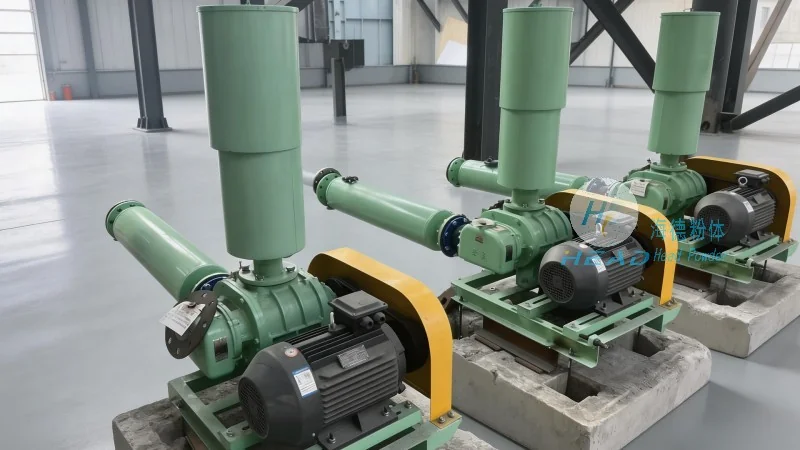
Air supply is essential for creating the pressure differential needed to move H₂S through the pipeline. High-pressure compressors, often equipped with advanced control systems, generate the necessary airflow to transport the gas and any suspended particles. The choice of compressor type—such as rotary or reciprocating—depends on the specific application requirements, including the volume of material to be conveyed and the system's operating pressure. Shandong HeadPowder Engineering Co., Ltd. specializes in selecting and integrating appropriate air supply equipment tailored to the unique demands of hydrogen sulfide handling.
3. Material Feeders and Hoppers
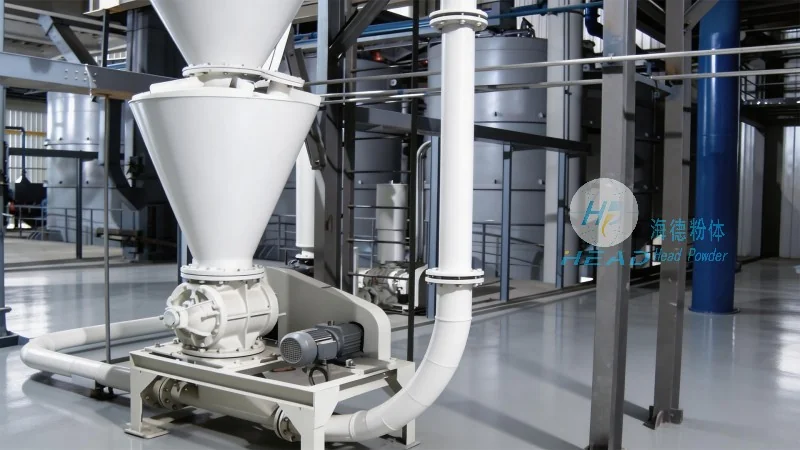
Material feeders are responsible for introducing the hydrogen sulfide into the conveying system. These devices, often designed as hoppers or feeders with adjustable flow rates, ensure consistent and controlled feeding of the gas. The design of the hopper and feeder must account for the corrosive properties of H₂S and the need for minimal pressure drop during material introduction. Properly engineered feeders help maintain system efficiency and prevent material buildup or blockages, which could compromise safety or performance.
4. Control and Monitoring Systems
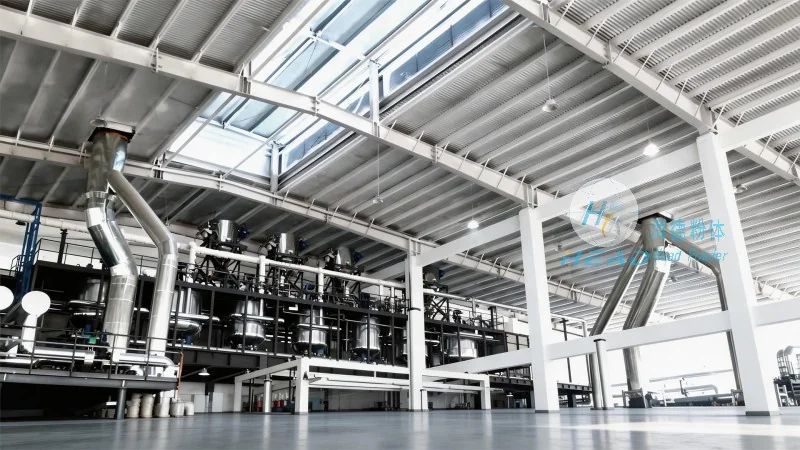
Advanced control systems are integral to the safe operation of hydrogen sulfide pneumatic conveying systems. These systems monitor pressure, flow rates, and other critical parameters in real-time, allowing operators to adjust settings as needed to maintain optimal performance. Sensors and alarms are integrated to detect deviations or potential hazards, such as pressure spikes or leaks, and trigger immediate responses to prevent accidents. Shandong HeadPowder Engineering Co., Ltd. incorporates state-of-the-art control technologies into their systems, ensuring reliable monitoring and automated safety protocols.
5. Safety and Ventilation Equipment
Given the toxic and hazardous nature of hydrogen sulfide, robust safety equipment is a non-negotiable component of any conveying system. This includes ventilation systems designed to remove H₂S from the work environment, ensuring safe levels of exposure for personnel. Additionally, emergency shut-off valves, gas detectors, and personal protective equipment (PPE) are essential for mitigating risks during operation. The company, Shandong HeadPowder Engineering Co., Ltd., adheres to strict safety standards and integrates comprehensive safety measures into their hydrogen sulfide conveying solutions.
6. Cleaning and Maintenance Systems
Regular cleaning and maintenance are vital to the longevity and reliability of hydrogen sulfide pneumatic conveying systems. Specialized cleaning equipment, such as blowers or purge systems, are used to remove accumulated material from the pipeline and equipment. Maintenance protocols, including routine inspections and component replacements, help prevent system failures and ensure consistent performance. Shandong HeadPowder Engineering Co., Ltd. provides comprehensive maintenance services and recommends regular upkeep to maximize the lifespan of their conveying systems.
Conclusion
In summary, a hydrogen sulfide pneumatic conveying system comprises several critical components, each designed to address the unique challenges of handling this hazardous gas. From corrosion-resistant pipelines to advanced control systems and robust safety measures, every element plays a vital role in ensuring efficient and safe operation. Shandong HeadPowder Engineering Co., Ltd. leverages its expertise to design and implement tailored solutions that meet the specific needs of industrial clients, providing reliable and safe hydrogen sulfide conveying systems. With a focus on quality, safety, and innovation, the company continues to be a trusted partner in the industry.