

What Comprises Polyurethane Pneumatic Conveying Systems
When evaluating the components of polyurethane pneumatic conveying systems, it's essential to understand the key elements that define their functionality and performance. These systems are engineered to efficiently transport bulk materials through an air-driven process, and the composition of their parts plays a critical role in ensuring optimal operation. The primary components typically include the conveying line, material feeders, separation equipment, and control systems, each contributing to the overall effectiveness of the system.
The Role of Polyurethane in Pneumatic Conveying
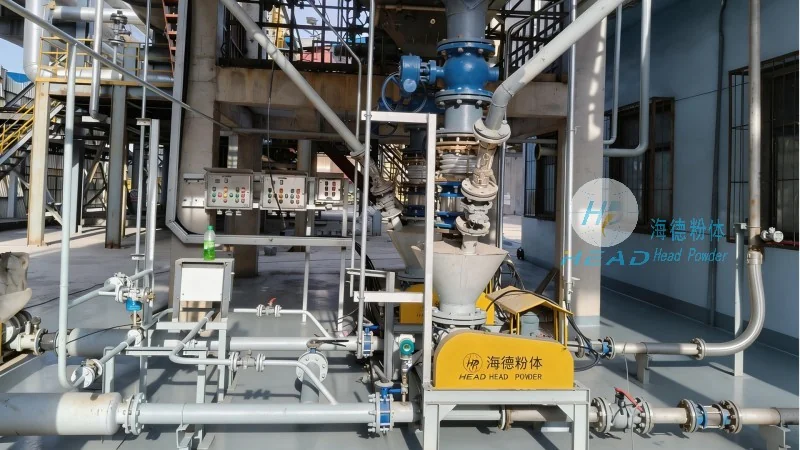
Polyurethane is a material widely used in the construction of pneumatic conveying systems due to its excellent properties such as durability, abrasion resistance, and flexibility. In the context of conveying systems, polyurethane is often employed for components like hoses, ducts, and liners, as it can withstand the mechanical stresses and chemical exposure associated with material handling. The material's ability to maintain structural integrity under continuous use makes it a preferred choice for applications involving abrasive or corrosive materials.
Conveying Line and Ductwork
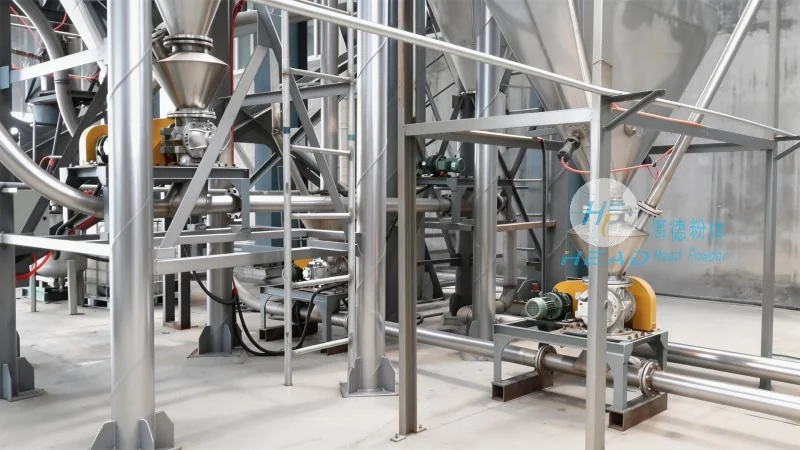
The conveying line, or ductwork, is a fundamental part of polyurethane pneumatic conveying systems. It serves as the pathway for transporting materials from the source to the destination. These lines are typically made from polyurethane or other durable materials, designed to handle the pressure and flow requirements of the conveying process. The design of the ductwork, including its diameter, length, and curvature, is crucial for maintaining the velocity of the air and material mixture, which directly impacts the system's efficiency. Properly sized and constructed ductwork ensures that the material is conveyed smoothly without excessive pressure loss or blockages.
Material Feeders and Hoppers
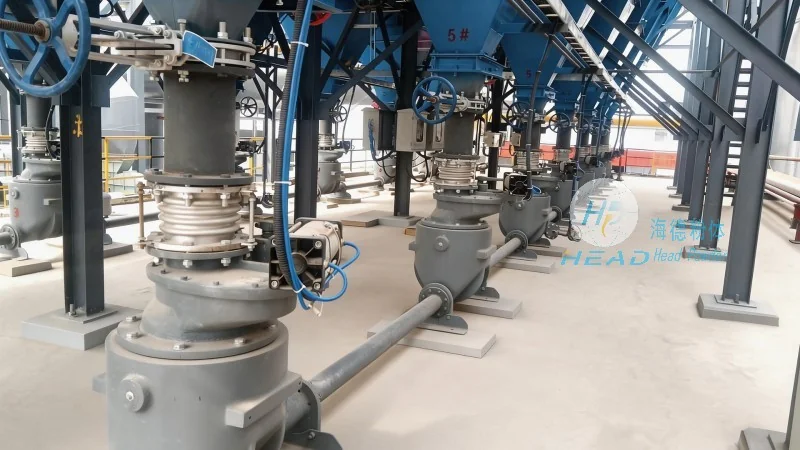
Material feeders and hoppers are essential components that manage the intake of bulk materials into the pneumatic conveying system. These devices are responsible for controlling the flow rate of the material, ensuring a consistent feed to the conveying line. Hoppers are often equipped with liners or liners made from polyurethane to protect against wear from the materials being handled. The feeder mechanism, such as a rotary valve or a screw feeder, regulates the material's release into the system, preventing overloading or underfeeding that could disrupt the conveying process. The design of these components is tailored to the specific characteristics of the material, such as its density, flowability, and potential for caking or bridging.
Separation and Collection Equipment
Separation and collection equipment is used to separate the conveyed material from the air stream and collect it at the destination. This typically includes cyclones, filters, and collection hoppers. Cyclones use centrifugal force to separate particles from the air, while filters may be used for finer particles or to capture dust. The collection equipment is designed to handle the material's characteristics, ensuring that it is deposited in a controlled manner without spillage or re-entrainment. Properly designed separation systems are vital for maintaining the efficiency of the conveying process and preventing material loss or contamination.
Control Systems and Valves
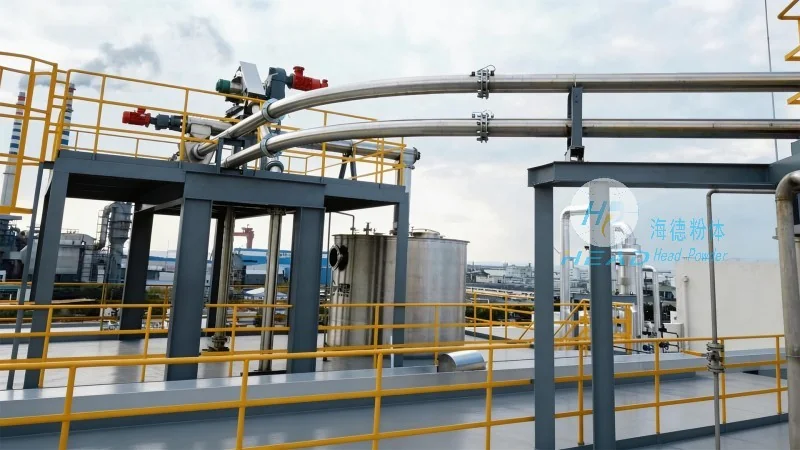
Control systems and valves are integral to the operation of polyurethane pneumatic conveying systems, enabling precise management of the conveying process. These systems include sensors, controllers, and actuators that monitor and adjust parameters such as air pressure, flow rate, and material feed rate. Valves, such as airlocks and check valves, regulate the flow of air and material, preventing backflow and ensuring smooth operation. The control system may also include safety features to protect against overpressure or other operational issues. Advanced control systems can optimize the conveying process based on real-time data, improving efficiency and reducing energy consumption.