

What is Catalyst Powder Pneumatic Conveying? Introduction to the Working Principle of Powder Handlin
Understanding the mechanics of catalyst powder pneumatic conveying is crucial for industries that rely on efficient and reliable material transport. This process involves using pressurized air or gas to move dry powder materials, such as catalyst powders, through a pipeline system. The technology is integral to modern manufacturing and chemical processing, where precise handling of fine powders is essential for maintaining product quality and operational efficiency.
Introduction to Pneumatic Conveying Systems
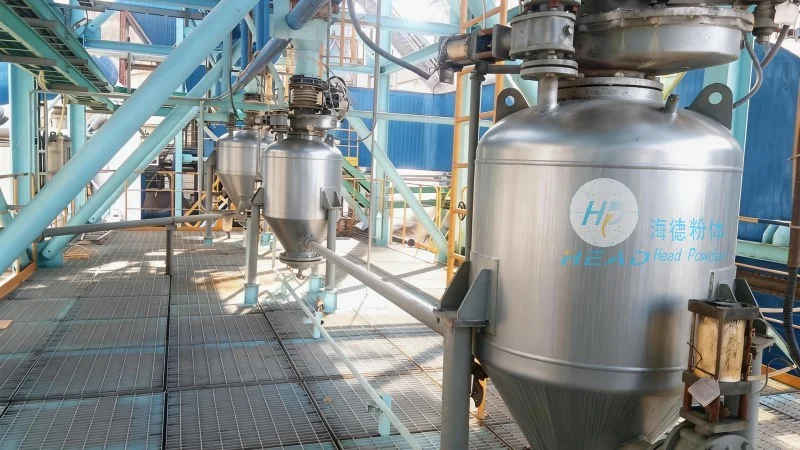
Pneumatic conveying systems are designed to transport bulk materials in a fluidized state, leveraging the force of air or gas to move particles from one location to another. In the case of catalyst powders, these systems are engineered to handle materials that are often sensitive to moisture, temperature, and contamination. The core components of a typical system include a hopper for material storage, a conveyor line (usually a pipe), a compressor to generate the necessary air pressure, and a control system to regulate the flow. The process begins when the catalyst powder is introduced into the hopper, where it is then drawn into the conveyor line by the moving air stream. This creates a suspension of powder particles in the gas, allowing them to be transported over long distances with minimal loss or degradation.
Key Components and Their Functions
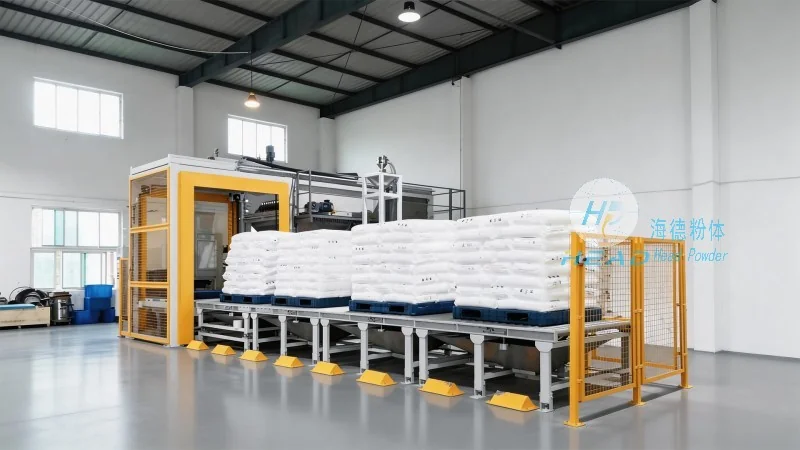
Each component of a catalyst powder pneumatic conveying system plays a vital role in ensuring optimal performance. The hopper serves as the storage vessel, providing a controlled environment to keep the powder dry and free from contaminants. It is typically equipped with a discharge valve to regulate the flow of material into the conveyor line. The conveyor line, often made of stainless steel or other corrosion-resistant materials, is designed to withstand the abrasive nature of catalyst powders and the pressure of the air stream. Compressors, which can be either positive displacement or centrifugal types, generate the required air pressure to move the powder. The control system monitors and adjusts the air pressure, flow rate, and material feed to maintain consistent performance and prevent system overload. Additionally, filters and cyclones are often included to separate the powder from the air stream, ensuring that the material is recovered and the exhaust air is clean.
Working Principle of Catalyst Powder Pneumatic Conveying
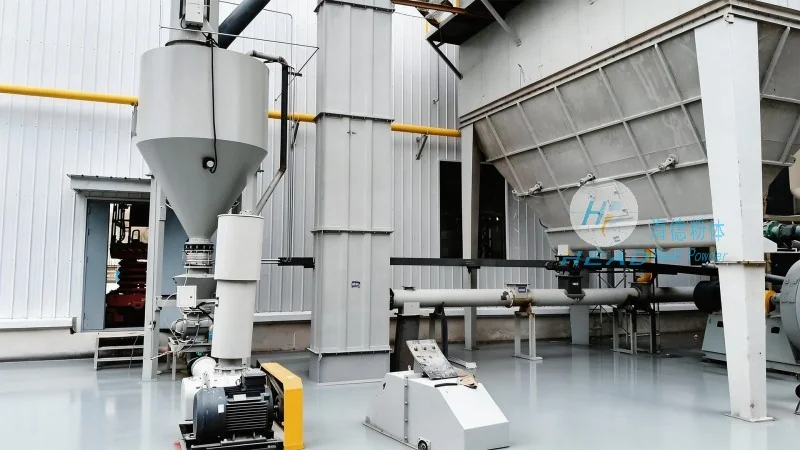
The working principle of this system is based on the principle of fluidization, where the powder particles are suspended in the air stream and transported as a slurry. When the air is introduced into the hopper, it creates a low-pressure zone that draws the powder into the conveyor line. The velocity of the air is critical; it must be sufficient to keep the powder particles suspended but not so high as to cause excessive wear on the system components. The system operates in either a dilute-phase or dense-phase mode, depending on the application. Dilute-phase systems use higher air velocities to transport the powder over longer distances, while dense-phase systems use lower velocities to move the powder more gently, reducing the risk of degradation or clogging. For catalyst powders, which are often fragile and sensitive, the dense-phase mode is frequently preferred to maintain the integrity of the material.
Applications and Benefits in Industrial Settings
Catalyst powder pneumatic conveying is widely used in various industrial applications, including chemical manufacturing, pharmaceutical production, and petrochemical processing. The primary benefits of this technology include improved material handling efficiency, reduced labor costs, and enhanced safety compared to traditional methods like manual handling or mechanical conveyors. By using compressed air to transport the powder, the system eliminates the need for moving parts that come into direct contact with the material, minimizing the risk of contamination and product degradation. Additionally, pneumatic conveying systems can be integrated with other processing equipment, such as reactors and reactors, to create a seamless production line. This integration allows for better control over the material flow and reduces the time required for material transfer, leading to increased overall productivity. For catalyst powders, which are often used as catalysts in chemical reactions, the ability to transport them efficiently and without degradation is critical to maintaining the effectiveness of the catalyst and the quality of the final product.
Company Overview: Shandong HeadPowder Engineering Co., Ltd.
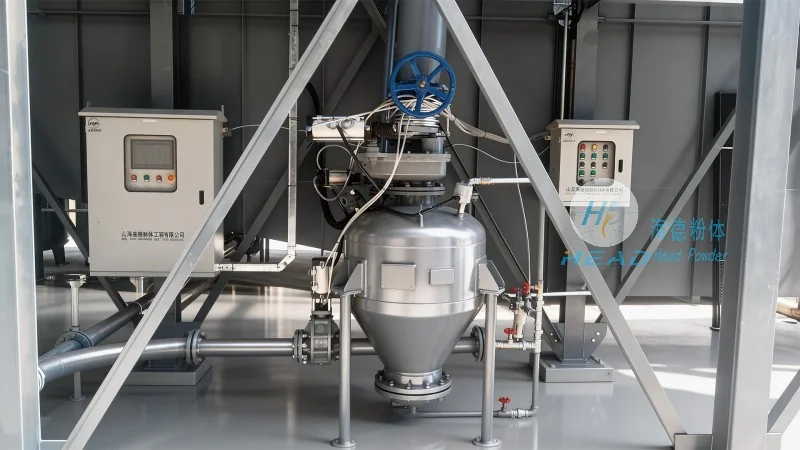
Shandong HeadPowder Engineering Co., Ltd., commonly known as HeadPowder, is a leading provider of specialized powder handling solutions, including catalyst powder pneumatic conveying systems. With a focus on innovation and quality, the company has developed advanced technologies to meet the unique needs of industries that handle fine and sensitive powders. HeadPowder's systems are designed to be durable, efficient, and reliable, ensuring that customers can achieve optimal performance in their production processes. The company's team of experts provides comprehensive support, from system design and installation to maintenance and troubleshooting, helping clients to maximize the benefits of their powder handling equipment. HeadPowder's commitment to customer satisfaction and technological advancement has made it a trusted partner for businesses in the chemical, pharmaceutical, and petrochemical sectors. With its headquarters in Shandong, China, the company serves clients both domestically and internationally, delivering high-quality solutions that meet the highest industry standards.