

What is a Sand and Gravel Pneumatic Conveying Equipment? Introduction to the Structure and Principle
HeadPowder, a leading manufacturer based in Shandong, China, specializes in the design and production of pneumatic conveying systems for various bulk materials. This article provides an in-depth look at sand and gravel pneumatic conveying equipment, exploring its structure, working principles, and key components. Understanding these aspects is crucial for industries dealing with bulk materials, as efficient material handling directly impacts operational efficiency and cost-effectiveness.
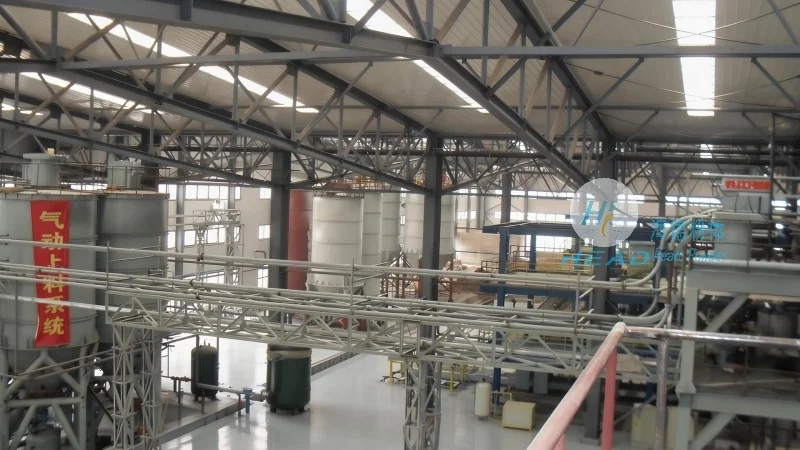
Company Profile: HeadPowder Engineering Co., Ltd.
HeadPowder Engineering Co., Ltd. is a professional enterprise dedicated to the research, development, and manufacturing of advanced pneumatic conveying solutions. With a strong focus on innovation and quality, the company serves a wide range of industries, including construction, mining, and chemical processing. HeadPowder's commitment to excellence ensures that their equipment meets the highest standards of performance and reliability. The company's headquarters is located in Shandong, China, where state-of-the-art facilities and a skilled workforce support the production of reliable and efficient conveying systems.
Understanding Pneumatic Conveying Systems
Pneumatic conveying, also known as air conveying, is a method of transporting bulk materials through a pipeline using compressed air or other gases. This technology is widely used in industries that require the movement of dry or semi-dry materials without the need for mechanical components like belts or buckets. The core of a pneumatic conveying system is the ability to create a flow of material by utilizing the pressure difference between the inlet and outlet of the system. Sand and gravel, being dense and abrasive materials, present unique challenges in their transportation, making specialized equipment essential for optimal performance.
Structure of Sand and Gravel Pneumatic Conveying Equipment
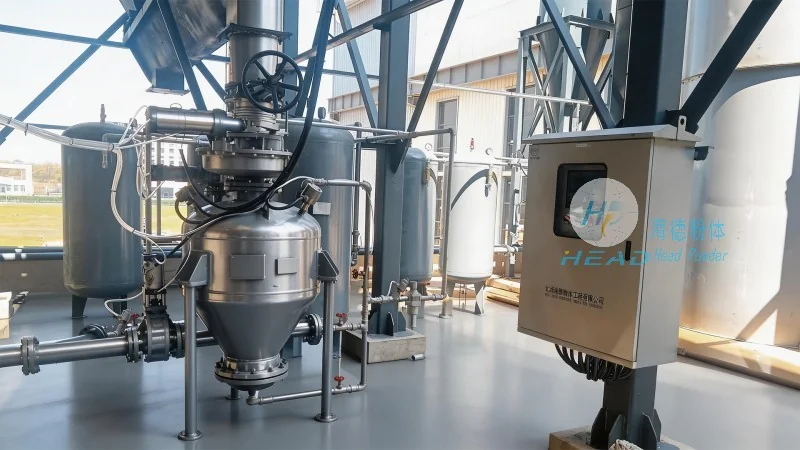
The structure of sand and gravel pneumatic conveying equipment is designed to handle the specific characteristics of these materials. Key components include the hopper, which serves as the material storage and feeding unit, and the conveyor line, which transports the material through the pipeline. The system typically consists of the following parts:
- Hopper: A large container that holds the sand and gravel, equipped with a feeder to control the flow rate. The hopper is designed to minimize material degradation and ensure a consistent feed to the conveying line.
- Feeder: A device that regulates the amount of material entering the conveyor line. For sand and gravel, a rotary valve or a screw feeder is commonly used to maintain a steady flow, preventing clogging and ensuring smooth operation.
- Conveying Line: The pipeline through which the material is transported. The line is usually made of durable materials like stainless steel or special alloys to withstand the abrasive nature of sand and gravel. The diameter and length of the line are carefully selected based on the material's properties and the required conveying distance.
- Compressor: A critical component that generates the compressed air needed to move the material. The compressor must be powerful enough to overcome the resistance in the pipeline and maintain the necessary pressure for efficient conveying.
- Receiver: The end of the conveying line where the material is deposited. The receiver is designed to collect the material and prevent air leakage, ensuring a clean and efficient discharge process.
Each component plays a vital role in the overall operation of the system. The hopper and feeder work together to provide a consistent feed, while the compressor and conveying line ensure the material is transported efficiently. The receiver completes the process by safely depositing the material at the destination.
Working Principle of Pneumatic Conveying
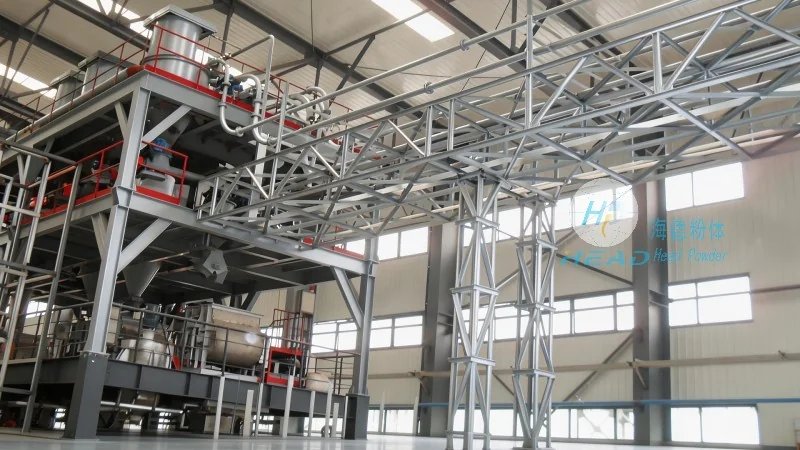
The working principle of sand and gravel pneumatic conveying equipment involves creating a pressure differential between the inlet and outlet of the system. The compressor generates high-pressure air, which is introduced into the hopper. As the air flows through the feeder and into the conveying line, it picks up the sand and gravel particles and transports them to the receiver. The air and material mixture travels through the pipeline until it reaches the receiver, where the material is separated from the air and collected.
There are two main types of pneumatic conveying systems: dilute phase and dense phase. Dilute phase systems use low air velocities and are suitable for short distances and low material loads. Dense phase systems use higher air velocities and are ideal for longer distances and higher material loads. For sand and gravel, a dense phase system is often preferred due to the material's density and the need for efficient transportation over longer distances.
Advantages of Sand and Gravel Pneumatic Conveying Equipment
Using pneumatic conveying equipment for sand and gravel offers several advantages over traditional methods. First, it eliminates the need for mechanical components like belts or buckets, reducing maintenance costs and increasing operational reliability. Second, the system is highly efficient in terms of energy consumption, as the compressed air is used to move the material directly. Third, the equipment is suitable for handling abrasive materials, as the pipeline is designed to withstand the wear and tear caused by the sand and gravel. Finally, the system is flexible and can be easily integrated into existing production lines, allowing for seamless material handling.
Applications in Various Industries
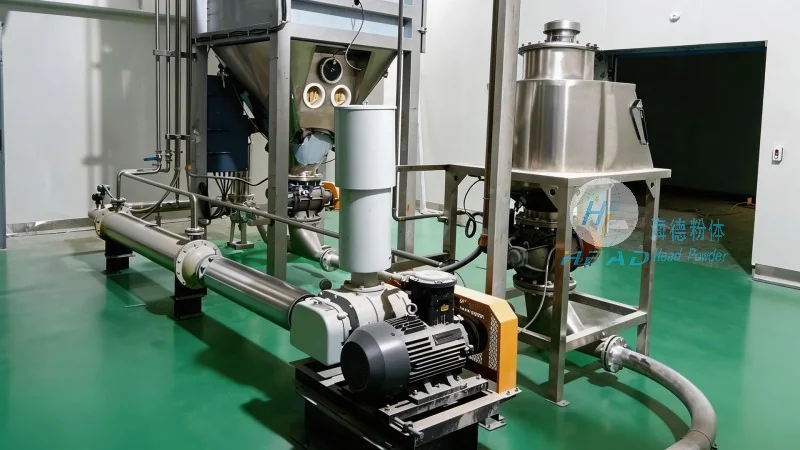
Sand and gravel pneumatic conveying equipment is widely used in various industries. In the construction industry, it is used to transport sand and gravel from storage facilities to construction sites. In the mining industry, it is used to move ore and other materials from the mine to processing facilities. In the chemical industry, it is used to transport raw materials and finished products. The versatility of the equipment makes it suitable for a wide range of applications, ensuring that industries can efficiently handle their bulk materials.
Conclusion
Sand and gravel pneumatic conveying equipment is a critical component in the efficient handling of bulk materials. The structure and working principles of the system are designed to meet the specific needs of sand and gravel, ensuring optimal performance and reliability. HeadPowder Engineering Co., Ltd. provides high-quality equipment that meets the demands of various industries, supporting their operational efficiency and cost-effectiveness. By understanding the structure and principles of pneumatic conveying systems, industries can make informed decisions about their material handling needs and choose the most suitable equipment for their requirements.