

What is Rare Earth Pneumatic Conveying Equipment? An Introduction to the Structure and Working Princ
Understanding the structure and working principle of rare earth pneumatic conveying equipment is crucial for industries dealing with fine powders, as these systems are essential for efficient material handling. This article provides a detailed overview of the components, operational mechanisms, and practical applications of such equipment, presented by Shandong HeadPowder Engineering Co., Ltd., a leading manufacturer based in Shandong, China.
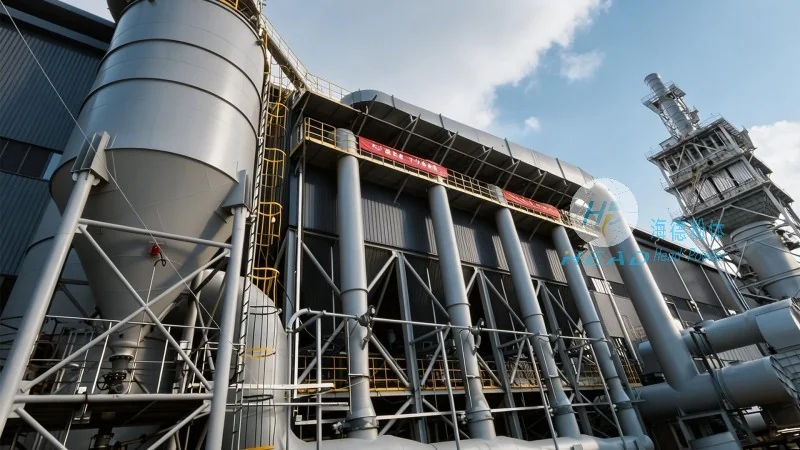
About Shandong HeadPowder Engineering Co., Ltd.
HeadPowder, the abbreviation for Shandong HeadPowder Engineering Co., Ltd., is a professional enterprise specializing in the research, development, and production of advanced powder handling solutions. With a strong focus on innovation and quality, the company has established itself as a trusted partner in the field of pneumatic conveying technology. HeadPowder's headquarters is located in Shandong, China, where the company leverages local resources and expertise to deliver reliable equipment for various industrial applications.
Structure of Rare Earth Pneumatic Conveying Equipment
The core components of a rare earth pneumatic conveying system typically include the following parts, each playing a vital role in the overall operation:
- Conveying Pipeline: This is the main channel through which the rare earth powder is transported. The pipeline is usually made of stainless steel or other corrosion-resistant materials to ensure durability and prevent contamination of the valuable rare earth materials.
- Air Source System: Comprised of a blower or compressor, this system generates the necessary air pressure to move the powder particles. The choice of air source depends on the system's operating pressure and the specific characteristics of the powder being conveyed.
- Pneumatic Valve and Control System: These components regulate the flow of air and powder, controlling the start and stop of the conveying process. Advanced control systems can optimize the operation for different powder types and conveying distances.
- Dust Separation and Collection System: To prevent dust emissions and protect the environment, the system includes filters and cyclones that separate the powder from the air stream, ensuring compliance with environmental regulations.
- Material Hopper and Feeder: The hopper stores the rare earth powder, while the feeder (such as a rotary valve or screw feeder) controls the feed rate, ensuring a consistent flow into the conveying pipeline.
Working Principle of the Equipment
Rare earth pneumatic conveying equipment operates based on the principle of air movement to transport powder particles. There are two main types of pneumatic conveying systems: positive pressure and negative pressure systems. The choice between them depends on the specific requirements of the application, such as the powder's properties and the distance to be conveyed.
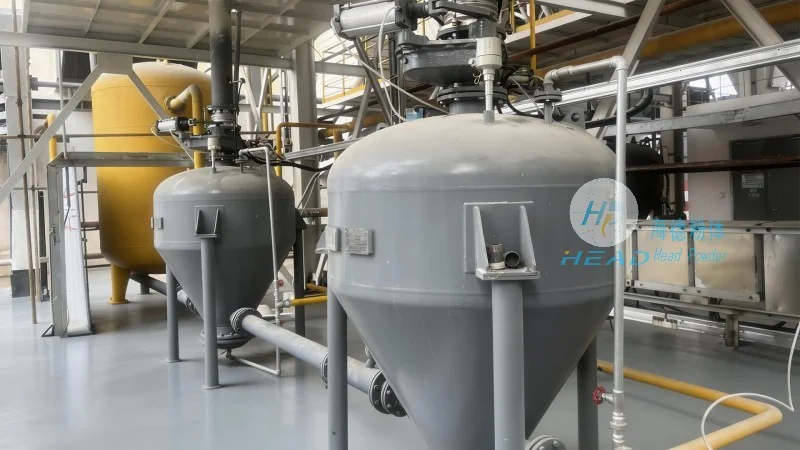
In a positive pressure system, the blower pushes air into the conveying pipeline, creating a high-pressure environment that propels the powder particles forward. The powder is suspended in the air stream and moves through the pipeline until it reaches the destination point. At the end of the pipeline, a separator or cyclone separates the powder from the air, allowing the powder to be collected in a container or further processed.
In a negative pressure system, the blower draws air out of the pipeline, creating a low-pressure environment that pulls the powder particles into the pipeline. This system is often used for applications where dust control is critical, as it prevents dust from escaping into the environment. The powder is then collected at the end of the pipeline, typically using a filter or cyclone to separate it from the air.
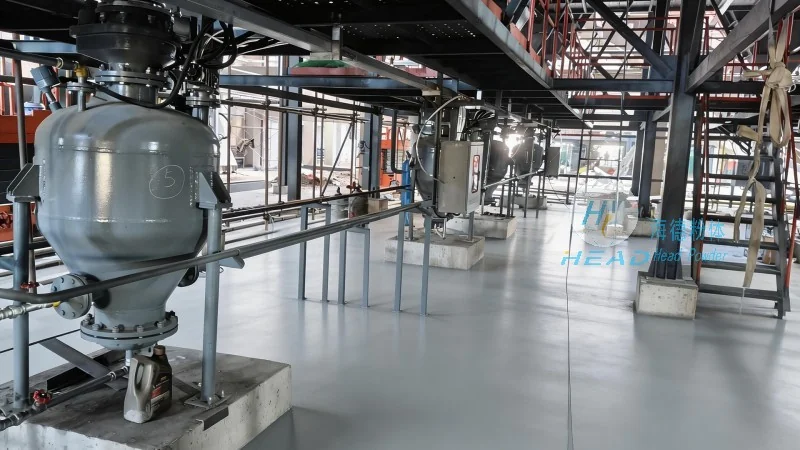
The operation of the equipment involves several key steps: first, the powder is fed from the hopper into the conveying pipeline; second, the air source system generates the required air pressure or vacuum; third, the powder is suspended and transported through the pipeline; fourth, the powder is separated from the air at the receiving end; and finally, the powder is collected and prepared for further use.
Application Scenarios
Rare earth pneumatic conveying equipment is widely used in industries that handle fine powders, including the rare earth processing industry. The equipment is particularly suitable for transporting rare earth oxides, which are often in the form of fine powders and require gentle handling to avoid agglomeration or damage. Other applications include the chemical, pharmaceutical, and food industries, where the equipment's ability to handle sensitive materials is essential.
Conclusion
Shandong HeadPowder Engineering Co., Ltd. provides high-quality rare earth pneumatic conveying equipment that combines advanced technology with reliable performance. By understanding the structure and working principle of these systems, users can make informed decisions about their material handling needs. The company's commitment to innovation and customer satisfaction ensures that its products meet the highest standards in the industry.