

What is Caustic Soda Pneumatic Conveying Equipment? An Introduction to the Structure and Principle o
Caustic soda, also known as sodium hydroxide, is a widely used chemical in various industrial processes. The efficient and safe transportation of caustic soda powder is crucial for many manufacturing and processing applications. Pneumatic conveying equipment has emerged as a key solution for handling caustic soda, offering advantages such as minimal dust generation, improved safety, and enhanced process control. This article provides an overview of caustic soda pneumatic conveying equipment, detailing its structure and operational principles.
Overview of Caustic Soda Pneumatic Conveying Equipment
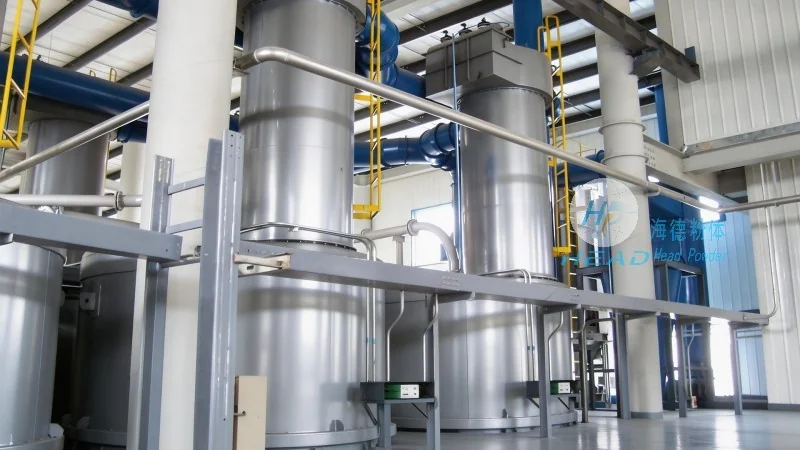
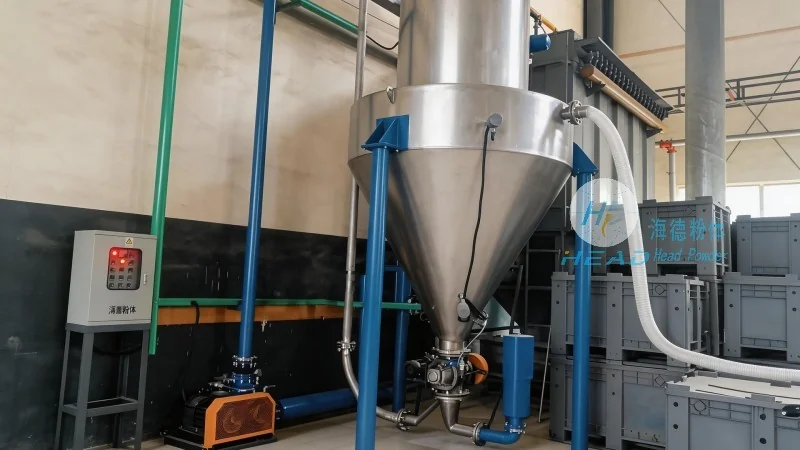
Caustic soda pneumatic conveying equipment is a specialized system designed to transport caustic soda powder from one location to another using compressed air or other gases. The system typically consists of several key components, including a hopper for material storage, a feeder to control the flow of caustic soda, a conveying line (often with bends and straight sections), and a receiver to collect the material at the destination. The entire system is engineered to ensure reliable and efficient powder transport while maintaining safety standards for handling caustic soda, a highly corrosive and hazardous chemical.
Key Components and Structure of the Equipment
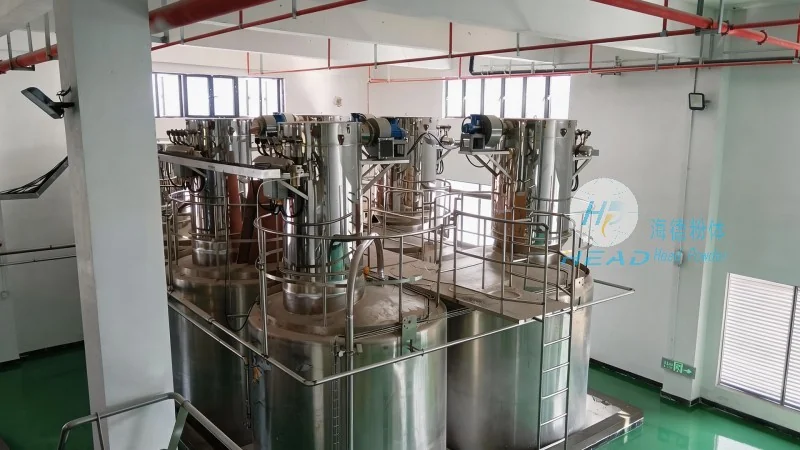
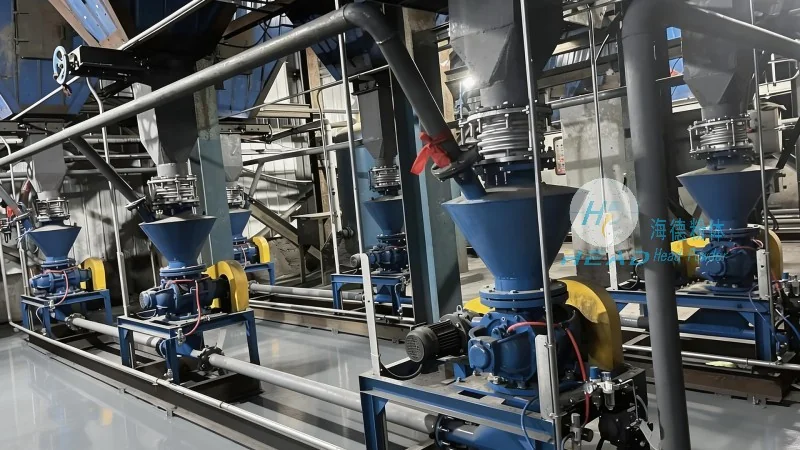
The structure of caustic soda pneumatic conveying equipment is carefully designed to accommodate the unique properties of caustic soda powder. The hopper is usually made of corrosion-resistant materials, such as stainless steel or special alloys, to withstand the chemical's aggressive nature. It is equipped with a level indicator and a discharge valve to regulate the material flow. The feeder, often a rotary valve or a screw feeder, ensures a consistent and controlled feed rate, preventing blockages and maintaining system efficiency. The conveying line is constructed from durable materials like stainless steel or PTFE-coated pipes to resist corrosion and prevent material buildup. Bends and straight sections are strategically placed to guide the powder flow smoothly, minimizing pressure losses and ensuring consistent velocity. The receiver, similar to the hopper, is designed to collect the caustic soda powder and may include a venting system to manage pressure and prevent dust accumulation.
Operational Principle of Pneumatic Conveying
The core principle of pneumatic conveying is the use of air or gas to transport solid particles. In the case of caustic soda pneumatic conveying, compressed air is introduced into the conveying line, creating a flow that lifts and moves the caustic soda powder particles. The system operates on the principle of fluidization, where the air flow creates a suspension of the powder particles, allowing them to be carried through the line. The velocity of the air is critical; it must be sufficient to overcome the gravitational force acting on the powder particles while maintaining a stable flow without causing excessive pressure drops or particle degradation. The system may use either positive pressure (where air is blown into the line) or negative pressure (where air is drawn out), depending on the application and the distance between the source and destination. Positive pressure systems are commonly used for short to medium distances, while negative pressure systems are suitable for longer distances or when the material needs to be transported to a lower elevation.
Advantages and Applications
Caustic soda pneumatic conveying equipment offers several advantages over traditional methods like belt conveyors or manual handling. The primary benefits include reduced dust exposure, which minimizes health risks for operators and improves workplace safety. The enclosed system also prevents contamination of the caustic soda powder, ensuring product purity. Additionally, pneumatic conveying systems are more flexible in terms of layout, allowing for vertical and horizontal transport in various configurations. They are widely used in industries such as chemical manufacturing, food processing, and pharmaceuticals, where the safe and efficient handling of caustic soda is essential. The equipment is particularly valuable in applications requiring precise control over the flow rate and pressure, such as in batch processing or continuous production lines.
Conclusion
In summary, caustic soda pneumatic conveying equipment is a sophisticated and essential tool for the safe and efficient transport of caustic soda powder. Its structure, comprising corrosion-resistant components and a carefully designed conveying line, is tailored to handle the chemical's properties. The operational principle, based on pneumatic fluidization, ensures reliable transport while maintaining safety standards. As a key solution for industries relying on caustic soda, this equipment plays a vital role in enhancing process efficiency and workplace safety. For businesses in need of such equipment, Shandong HeadPowder Engineering Co., Ltd., a leading provider based in China, offers high-quality solutions tailored to specific industrial requirements.