

Coal Powder Pneumatic Conveying Equipment: Structure and Principle Introduction
Coal powder pneumatic conveying equipment represents a sophisticated technology for the efficient and reliable transport of coal powder and other fine particulate materials. This system utilizes air or gas as the conveying medium, enabling the movement of bulk powders through pipelines without the need for mechanical contact. The technology is integral to modern industrial operations, particularly in sectors such as power generation, chemical processing, and material handling, where the consistent and safe transfer of coal is critical for operational efficiency and environmental compliance.
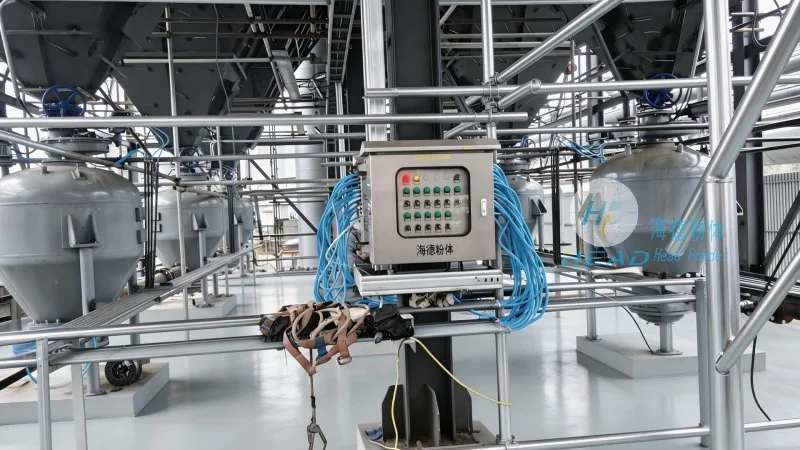
Core Components and Their Functions in Coal Powder Pneumatic Conveying Systems
The coal powder pneumatic conveying system comprises several key components, each playing a vital role in the overall operation. The primary components include a material hopper, a feeder, a conveying line (often equipped with bends and valves), a dust collector, and a receiving hopper. The material hopper serves as the storage vessel for the coal powder, ensuring a continuous supply of material to the system. It is typically designed with a conical or rectangular shape to facilitate uniform material flow. The feeder, usually a rotary valve or a screw feeder, regulates the flow rate of the coal powder from the hopper, matching it to the conveying requirements. This control is essential to prevent overloading or underloading of the system, which can lead to inefficiencies or equipment damage. The conveying line is the main pathway for the material and is constructed from materials such as stainless steel or polyethylene to withstand the abrasive nature of coal powder and maintain airtight integrity. The line may include bends, elbows, and tees to direct the material to the desired destination. Valves are strategically placed along the line to control the flow direction and pressure, allowing for flexible system configurations. The dust collector is a critical component for environmental and safety purposes, capturing fine particles that might otherwise be released into the air. It typically consists of a filter system that traps the dust, with a cleaning mechanism to maintain filter efficiency. The receiving hopper collects the conveyed coal powder, completing the transport process and ensuring that the material is delivered to its intended location.
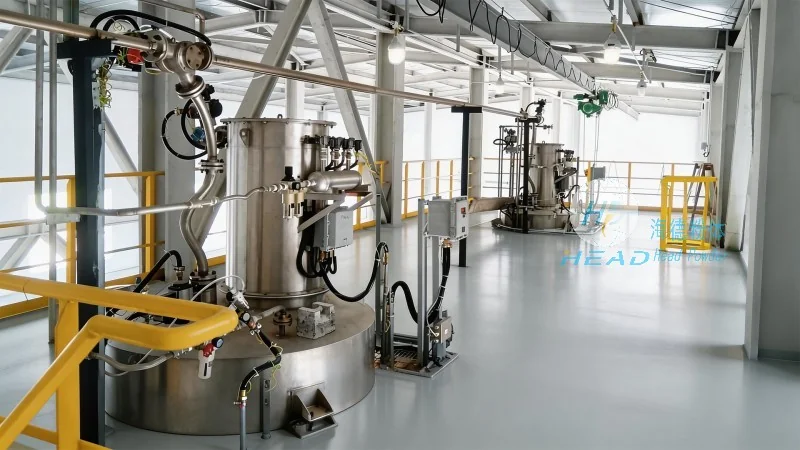
Operating Principles: Pressure and Suction Modes
The operation of a coal powder pneumatic conveying system is based on the principles of fluid dynamics and particle transport, with two main modes of operation: pressure and suction. In pressure systems, a positive pressure is generated at the material source, typically using a blower or compressor, which pushes the coal powder through the pipeline. The pressure differential between the source and the destination drives the material forward. This mode is suitable for long-distance or high-volume transport, as it can maintain a consistent flow rate. The air-to-material ratio is carefully controlled to ensure stable transport, avoiding issues such as clogging or degradation of the material. In suction systems, a vacuum is created at the receiving end, pulling the coal powder from the source. This mode is often used for short-distance or low-density material transport, where the pressure drop is minimal. The suction system relies on the vacuum created by a fan or vacuum pump to draw the material through the line. Both modes require precise control of the air flow rate and pressure to maintain optimal conveying conditions. The key to efficient operation is maintaining a sufficient velocity of the air relative to the particle size, which ensures that the particles remain suspended and move through the pipeline without settling or clogging.
Design Considerations for Coal Powder Handling
The structural design of coal powder pneumatic conveying equipment is tailored to handle the specific characteristics of coal powder, such as its abrasiveness, moisture content, and particle size distribution. The equipment is constructed using materials that can withstand the mechanical and chemical stresses associated with coal handling. Stainless steel is commonly used for the conveying line and components due to its corrosion resistance and durability. Special coatings or linings may be applied to internal surfaces to prevent wear and extend the equipment's lifespan. The system's design also incorporates features to minimize material degradation, such as avoiding high-impact areas and using gentle feeding mechanisms. For example, the feeder is designed to minimize particle breakage, which can affect the material's quality and handling properties. Additionally, the equipment is engineered to meet safety standards, including explosion-proof designs for environments where coal dust is present. Coal dust can be a fire or explosion hazard under certain conditions, such as high concentrations and the presence of an ignition source. Therefore, the system is equipped with features like spark detection and suppression systems to prevent accidents. The design also considers the environmental impact, with dust collectors and filtration systems to comply with air quality regulations.
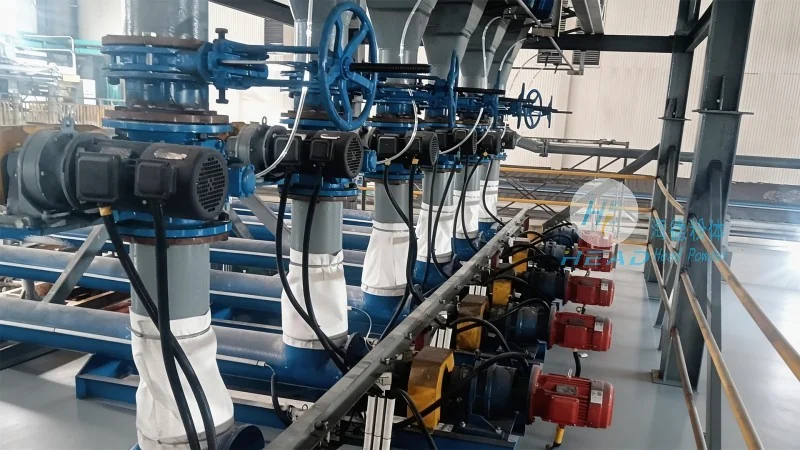
Applications and Advantages of Coal Powder Pneumatic Conveying
Coal powder pneumatic conveying equipment is employed in a wide range of applications across various industries. In power plants, it is used to transport coal from storage silos to boilers for combustion, ensuring a continuous supply of fuel. The system's efficiency allows for high throughput, reducing downtime and improving plant performance. In chemical plants, it facilitates the handling of coal-derived powders, such as coal ash or coal tar, for processing into other products. The technology is also used in mining operations to transport coal from mines to processing facilities. The advantages of pneumatic conveying over traditional methods like belt conveyors or bucket elevators are significant. It offers higher transport efficiency, as it can move large volumes of material over long distances with minimal labor. The closed system design reduces the risk of material spillage and contamination, which is crucial for maintaining product quality and environmental standards. Additionally, the system is more flexible in terms of layout, allowing for changes in the material flow path without major structural modifications. The technology also contributes to improved safety by containing the material within a closed system, reducing exposure to dust and preventing accidents related to manual handling. The system's ability to handle abrasive materials without significant wear and tear makes it a preferred choice for coal powder transport.