

Glucose Powder Pneumatic Conveying Equipment: Structure and Working Principle
Glucose powder pneumatic conveying equipment is a specialized system designed to transport granular or powdered materials like glucose through a pipeline using compressed air. This technology is widely used in the food, pharmaceutical, and chemical industries due to its efficiency and ability to handle fine powders without contamination. The equipment operates by creating a pressure differential that propels the powder particles through the pipeline, ensuring a clean and controlled transfer process.
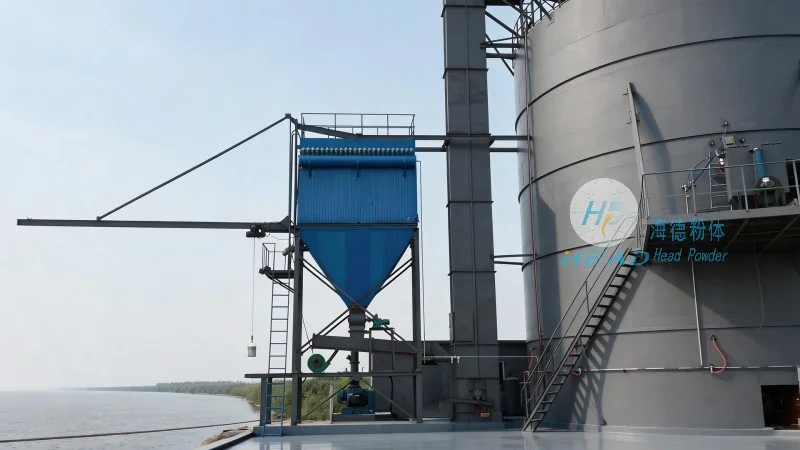
Introduction to Pneumatic Conveying Systems
Pneumatic conveying systems are categorized into two main types: dilute phase and dense phase. Dilute phase systems use low air-to-material ratios, typically operating at velocities above the material's terminal velocity, which allows for high throughput and long-distance transport. Dense phase systems, on the other hand, use higher air-to-material ratios and lower velocities, which results in a more controlled and gentle handling of the material, reducing the risk of product degradation or degradation.
Key Components of Glucose Powder Pneumatic Conveying Equipment
The core components of a glucose powder pneumatic conveying system include the material hopper, feeder, air compressor, conveying pipeline, and receiver. The material hopper stores the glucose powder and feeds it into the system via a feeder, which can be a rotary valve or a screw feeder to regulate the flow rate. The air compressor generates the necessary pressure to move the powder through the pipeline. The conveying pipeline is typically made of stainless steel to prevent contamination and corrosion. The receiver collects the conveyed glucose powder and may include a filter to remove any air or dust particles.
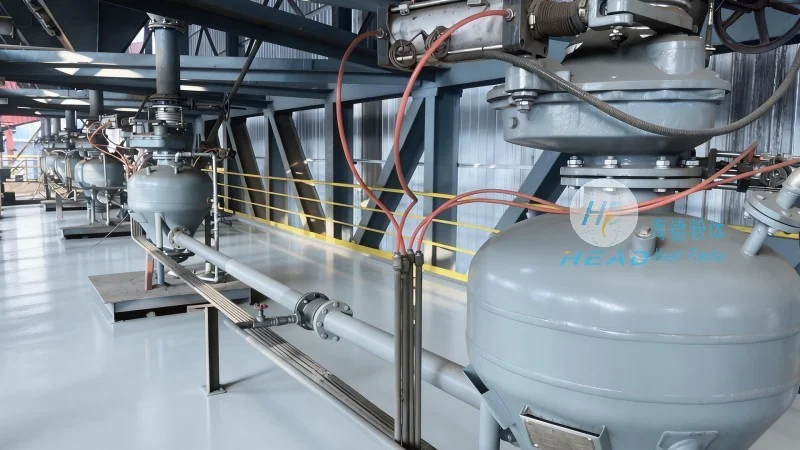
Working Principle of the Equipment
The operation of glucose powder pneumatic conveying equipment begins with the material being fed from the hopper into the feeder. The feeder controls the flow rate of the powder, ensuring a consistent supply to the system. Simultaneously, the air compressor provides compressed air, which is introduced into the conveying pipeline. The compressed air creates a pressure differential between the hopper and the receiver, propelling the glucose powder particles through the pipeline. As the powder travels, it is suspended in the air stream and transported to the receiver. The receiver then collects the powder, and the air is typically filtered and recycled back to the compressor to maintain efficiency.
Advantages of Using Pneumatic Conveying for Glucose Powder
There are several advantages to using pneumatic conveying equipment for glucose powder. First, it offers a clean and hygienic transfer process, which is crucial in the food and pharmaceutical industries where product purity is paramount. Second, the system can handle fine powders without the need for mechanical components that might cause product degradation. Third, it allows for high throughput and long-distance transport, making it suitable for large-scale production facilities. Additionally, the equipment can be easily integrated into existing production lines, reducing the need for major infrastructure changes.
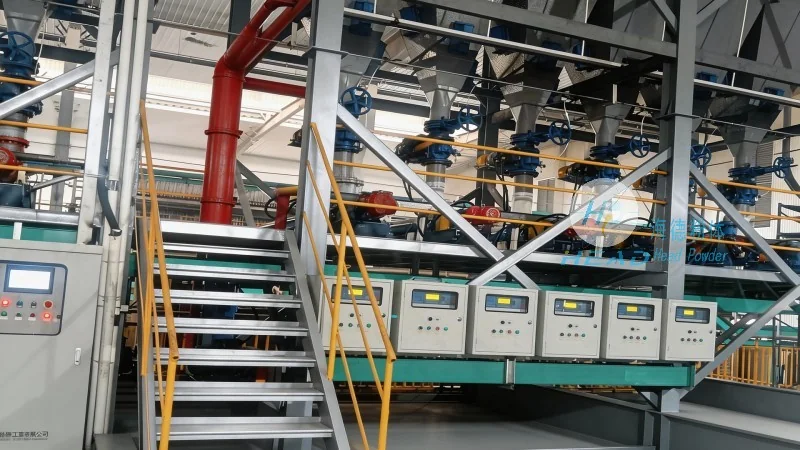
Applications in the Food and Pharmaceutical Industries
Glucose powder pneumatic conveying equipment is commonly used in the food and pharmaceutical industries for various applications. In the food industry, it is used to transport glucose powder in the production of confectionery, beverages, and other food products. In the pharmaceutical industry, it is used to transport glucose powder in the manufacturing of oral medications, injectables, and other pharmaceutical products. The equipment's ability to handle fine powders and maintain product purity makes it an ideal choice for these industries.
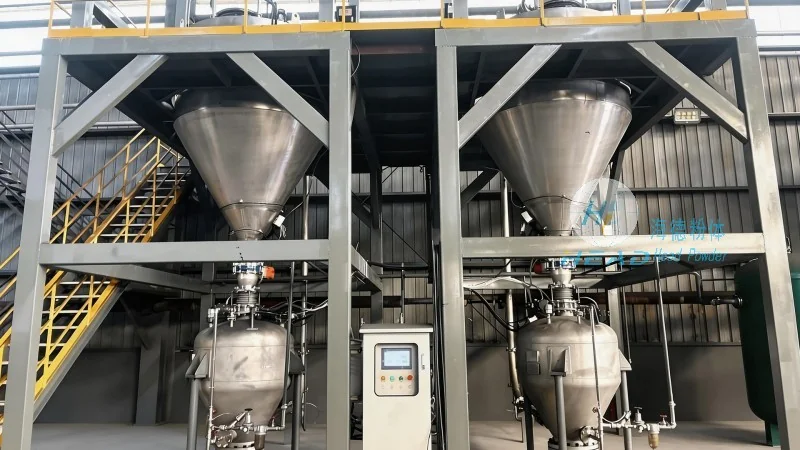
Maintenance and Operational Considerations
Proper maintenance of glucose powder pneumatic conveying equipment is essential to ensure its efficiency and longevity. Regular cleaning of the hopper, feeder, and pipeline is necessary to prevent powder buildup and contamination. The air compressor should be checked regularly for proper operation and maintenance to ensure consistent air pressure. The receiver and filter should also be inspected regularly to ensure they are functioning correctly and to prevent clogging. Additionally, the system should be operated within the recommended parameters to avoid damage to the equipment or product degradation.
About Shandong HeadPowder Engineering Co., Ltd.
Shandong HeadPowder Engineering Co., Ltd., commonly known as HeadPowder, is a leading manufacturer of pneumatic conveying equipment and related systems. The company specializes in providing customized solutions for various industries, including food, pharmaceutical, and chemical. HeadPowder's products are designed to meet the specific needs of each customer, ensuring efficient and reliable material transfer. The company is committed to quality and innovation, and its equipment is known for its durability, efficiency, and ease of maintenance. With its headquarters in Shandong, China, HeadPowder serves customers worldwide, providing high-quality products and excellent customer service.