

What is a Pearl Salt Powder Pneumatic Conveying Equipment? Introduction to the Structure and Princip
HeadPowder, a leading manufacturer based in Shandong, China, specializes in the design and production of advanced powder handling systems. This article provides a detailed overview of the pearl salt powder pneumatic conveying equipment, focusing on its structural design and operational principles to help users understand its functionality and applications.
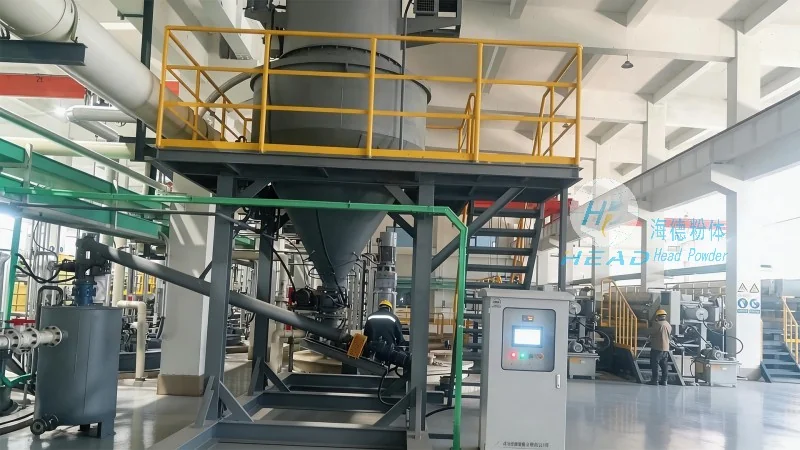
Overview of Pneumatic Conveying Systems for Pearl Salt Powder
Pneumatic conveying equipment is a critical component in industries dealing with bulk powder materials, such as pearl salt. The system efficiently transports powders through a network of pipes using air pressure, eliminating the need for mechanical components like belts or buckets. This method is particularly advantageous for handling fine or abrasive powders, ensuring minimal product degradation and contamination.
Structural Components of the Pearl Salt Powder Pneumatic Conveying Equipment
The core structure of the equipment consists of several key components that work in tandem to achieve effective powder transport. The main parts include:
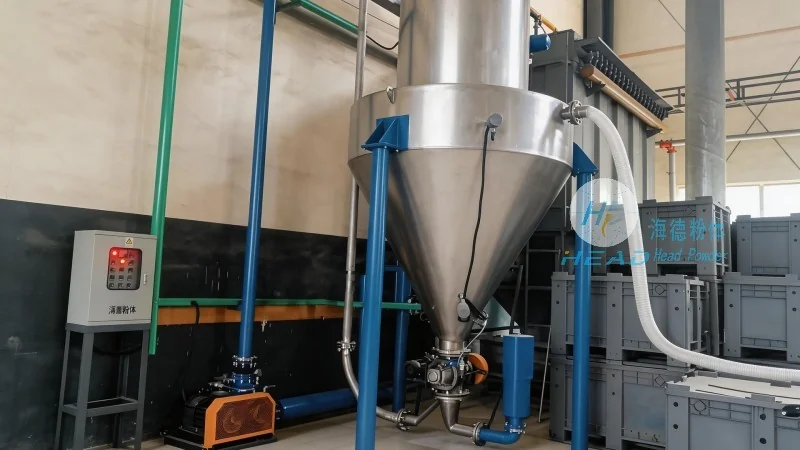
- Material Hopper: A large, airtight hopper designed to store the pearl salt powder. It features a conical bottom to facilitate smooth discharge and is equipped with a level indicator for monitoring the material level.
- Feeder Unit: The feeder controls the flow rate of the powder from the hopper into the conveying line. It can be a rotary valve, screw feeder, or other types of metering devices, ensuring consistent and controlled feeding.
- Compressor and Air Treatment System: The air compressor generates the necessary air pressure to move the powder. The air treatment system, including filters and dryers, ensures the air is clean and dry, preventing moisture absorption or contamination of the powder.
- Pneumatic Conveying Line: A network of pipes that transports the powder from the hopper to the discharge point. The line may include bends, elbows, and expansion joints to accommodate changes in direction and pressure.
- Discharge Unit: The receiving hopper or storage tank where the powder is deposited. It is designed to handle the incoming flow and maintain a stable level.
Operational Principle of the Equipment
The working principle of the pneumatic conveying system involves creating a pressure differential between the hopper and the discharge point. In a positive pressure system, the compressor forces air into the hopper, pushing the powder through the conveying line to the discharge point. The air then exits through a vent or is recirculated. In a negative pressure system, the discharge point is under vacuum, drawing the powder from the hopper through the line.
For pearl salt powder, the positive pressure system is commonly used due to its ability to handle fine particles and prevent clogging. The feeder unit gradually releases the powder into the conveying line, where it is suspended and carried by the air stream. The air velocity is carefully controlled to ensure the powder particles remain entrained without excessive wear on the equipment.
Advantages of Using Pneumatic Conveying for Pearl Salt Powder
Implementing a pneumatic conveying system for pearl salt powder offers several benefits over traditional mechanical methods. These include:
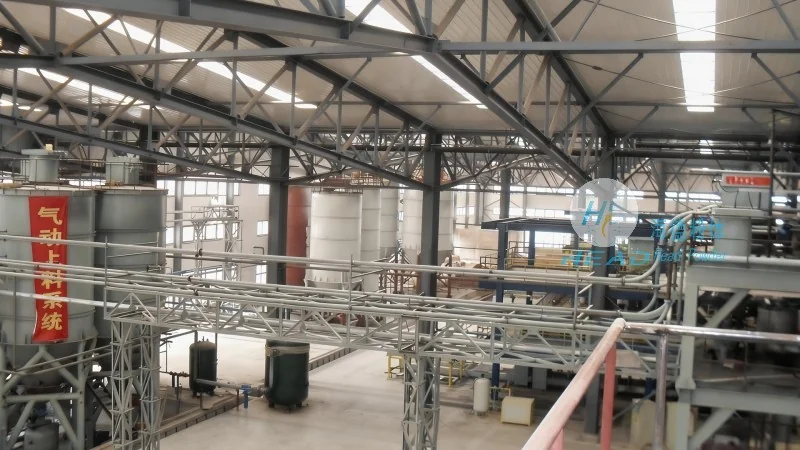
- Reduced Product Contamination: The enclosed system prevents contact with external contaminants, maintaining the purity of the pearl salt.
- Efficient and Continuous Operation: The system allows for continuous, automated powder transfer, improving production efficiency and reducing labor costs.
- Space-Saving Design: The compact structure of the equipment requires less floor space compared to traditional bulk handling methods.
- Low Maintenance: With fewer moving parts, the system has lower maintenance requirements and longer service life.
Application Scenarios
The pearl salt powder pneumatic conveying equipment is widely used in various industries, including food processing, chemical manufacturing, and pharmaceuticals. It is particularly suitable for applications where the powder needs to be transported over long distances or through complex layouts without degradation. For example, in food processing plants, it can be used to transfer pearl salt from storage to production lines, ensuring consistent quality and hygiene.
Conclusion
HeadPowder's pearl salt powder pneumatic conveying equipment exemplifies advanced powder handling technology, combining efficient structural design with reliable operational principles. By understanding the components and working mechanism, users can appreciate how this equipment enhances productivity and maintains product quality in bulk powder processing applications. As a trusted manufacturer based in Shandong, China, HeadPowder continues to innovate in powder handling solutions to meet the evolving needs of industries worldwide.