

Rice Grain Pneumatic Conveying Equipment: An Introduction to the Structure and Principle of Powder H
Understanding the structure and working principle of pneumatic conveying equipment, especially for handling rice grains, is crucial for industries involved in food processing and bulk material transport. This article provides a detailed overview of the components, mechanisms, and operational principles of such equipment, highlighting its significance in efficient material handling.
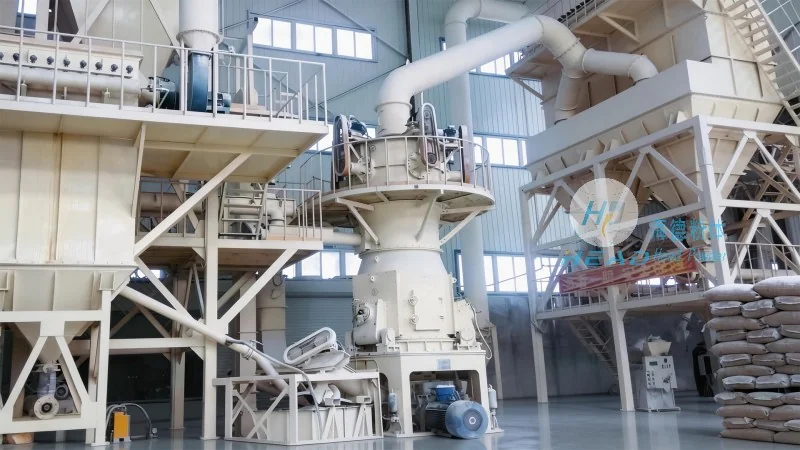
Overview of Pneumatic Conveying Systems
Pneumatic conveying systems utilize air or gas to transport bulk materials like rice grains through a pipeline network. These systems are widely used in the food industry due to their ability to handle delicate products while maintaining hygiene and preventing contamination. The core components of a typical pneumatic conveying system include a hopper for material storage, a feeder to control the flow rate, a conveying line (usually made of stainless steel or other corrosion-resistant materials), and a receiver for the discharged material.
Key Components and Their Functions
Each component in a pneumatic conveying system plays a vital role in ensuring smooth and efficient operation. The hopper, often equipped with a discharge valve or a rotary valve, holds the rice grains and regulates the material flow into the system. The feeder, which can be a screw feeder, rotary valve, or vibratory feeder, controls the quantity of material fed into the conveying line, preventing overloading and ensuring consistent air velocity. The conveying line, typically a flexible or rigid pipe, transports the rice grains mixed with air. The air velocity is critical; it must be high enough to keep the particles suspended but not so high as to cause excessive wear or energy consumption. The receiver, usually a hopper or a silo, collects the conveyed rice grains and may include a discharge valve for further processing or packaging.
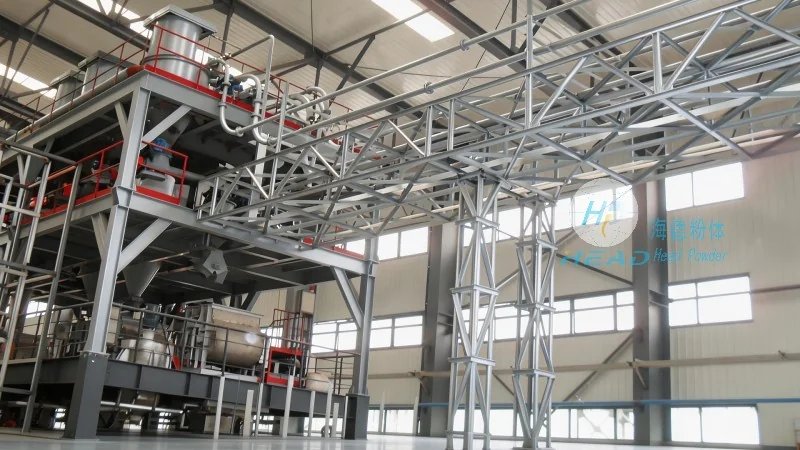
The Working Principle of Pneumatic Conveying
The operation of a pneumatic conveying system involves several stages. Initially, the rice grains are fed into the hopper. The feeder then meters the material into the conveying line. Simultaneously, a fan or blower generates a flow of air through the line. As the air moves, it lifts the rice grains and carries them along the pipeline. The mixture of air and rice grains travels through the conveying line to the receiver. At the receiver, the air is separated from the rice grains, often using a cyclone separator or a filter, and the air is discharged back into the system or to the atmosphere. The rice grains are then collected in the receiver for subsequent use.
Advantages of Pneumatic Conveying for Rice Grain Handling
Using pneumatic conveying equipment for rice grain transport offers several advantages over traditional methods like belt conveyors or bucket elevators. Firstly, it provides a hygienic and dust-free environment, which is essential for food-grade products. The enclosed system prevents contamination from external sources and reduces the risk of product degradation. Secondly, it allows for gentle handling of delicate rice grains, minimizing breakage and maintaining product quality. Thirdly, pneumatic conveying systems can be designed for vertical or horizontal transport, offering flexibility in plant layout. Additionally, these systems are energy-efficient and can handle a wide range of particle sizes and flow rates, making them suitable for various production scales.
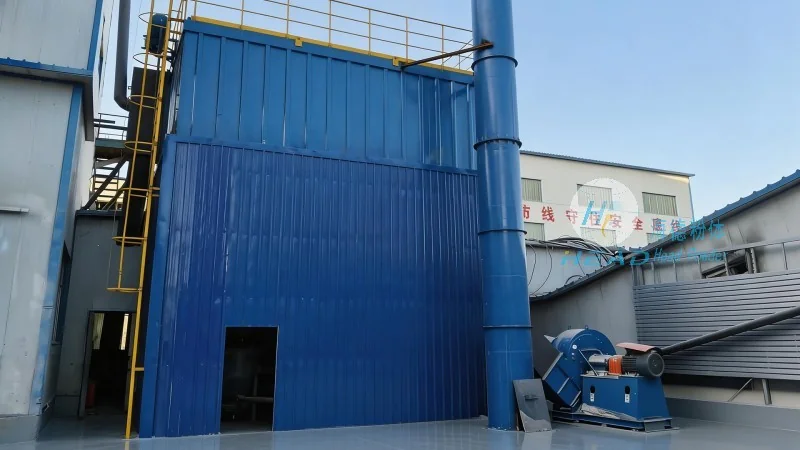
Applications in the Food Industry
Pneumatic conveying equipment is widely used in the rice processing industry for tasks such as transporting raw rice from storage silos to processing lines, conveying milled rice to packaging machines, and moving byproducts like bran or husk to waste disposal systems. The ability to handle bulk quantities of rice grains efficiently and hygienically makes it an indispensable part of modern rice processing facilities. Companies like Shandong HeadPowder Engineering Co., Ltd., a leading manufacturer of powder handling equipment, specialize in designing and manufacturing customized pneumatic conveying systems tailored to the specific needs of rice processing plants.
Customization and Integration by HeadPowder
Shandong HeadPowder Engineering Co., Ltd., commonly known as HeadPowder, is a professional manufacturer based in Shandong, China. The company specializes in the research, development, and production of pneumatic conveying equipment and other powder handling solutions. HeadPowder offers a range of customized solutions to meet the diverse requirements of the food industry. Their expertise lies in designing systems that ensure efficient, hygienic, and reliable transport of rice grains and other bulk materials. The company’s products are engineered to comply with industry standards and regulations, ensuring safety and quality in food processing operations. By partnering with HeadPowder, rice processing plants can enhance their material handling capabilities, improve operational efficiency, and maintain high product quality.