

Principle of Polyurethane Pneumatic Conveying System
For industrial applications requiring efficient material handling, polyurethane pneumatic conveying systems offer a reliable and versatile solution. These systems utilize air or gas to transport bulk materials through a network of pipes and components, making them ideal for a wide range of industries including food processing, pharmaceuticals, and chemical manufacturing. HeadPowder, a leading manufacturer based in Shandong, China, specializes in developing high-quality polyurethane pneumatic conveying systems that meet the diverse needs of modern industries.
Key Components of Polyurethane Pneumatic Conveying Systems
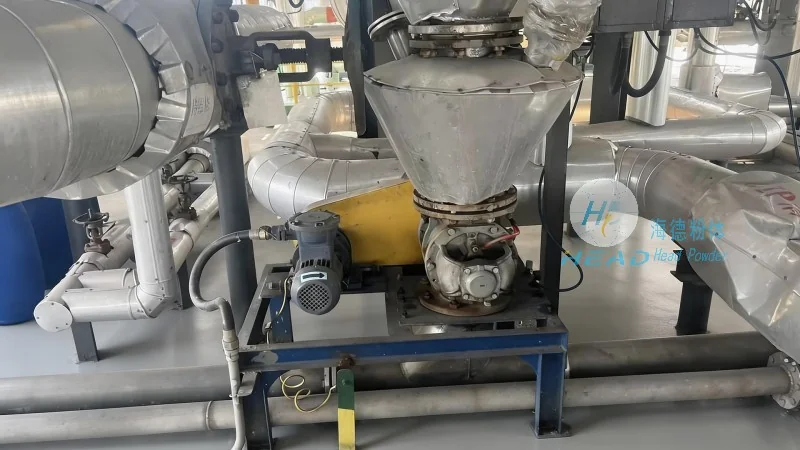
The effectiveness of a polyurethane pneumatic conveying system depends on several critical components. The primary elements include the conveying line, which is typically made from high-quality polyurethane material to withstand the stresses of material transport. The system also features a blower or compressor that generates the necessary air pressure to move materials. Additionally, components like cyclones, filters, and material feeders are integrated to ensure smooth operation and material separation. Each component is designed to work in harmony, optimizing the overall performance of the system.
How Polyurethane Pneumatic Conveying Works
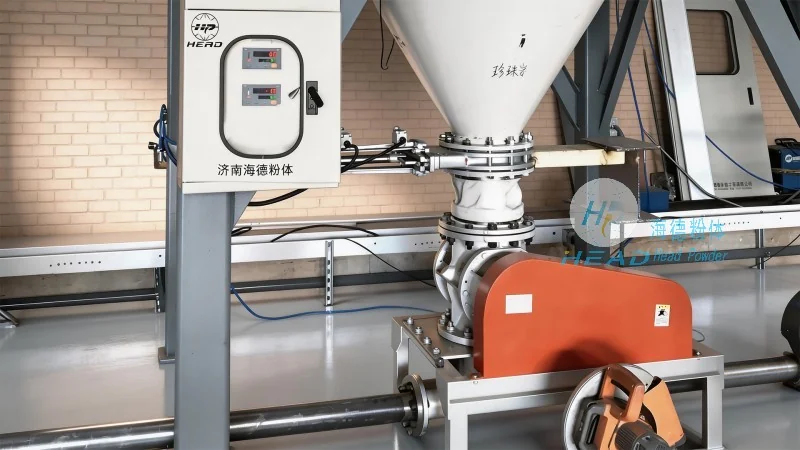
The operation of a polyurethane pneumatic conveying system involves several steps. Initially, the material is fed into the system, often through a hopper or feeder. The blower then creates a flow of air, which picks up the material particles and transports them through the conveying line. The polyurethane pipes and fittings ensure that the material is moved efficiently without significant wear or blockages. As the material travels, it may pass through a cyclone separator, where it is separated from the air stream and collected in a receiving bin. This process is continuous and can handle various material types, from powders to granules, with minimal maintenance.
Advantages of Using Polyurethane in Pneumatic Conveying
Polyurethane offers several advantages that make it an ideal choice for pneumatic conveying systems. Its high abrasion resistance allows it to withstand the constant friction from moving materials, extending the system's lifespan. The material is also resistant to chemicals and moisture, which is crucial in industries where the conveyed materials may be corrosive or hygroscopic. Furthermore, polyurethane is lightweight yet strong, reducing the overall weight of the system and making installation and maintenance easier. These properties contribute to lower operational costs and higher efficiency over time.
Applications in Industrial Settings
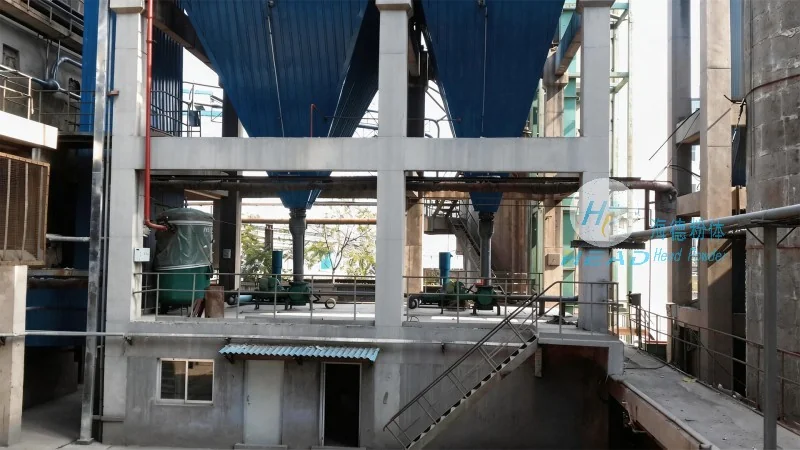
Polyurethane pneumatic conveying systems are widely used across various industrial sectors. In the food industry, they are employed to transport ingredients like flour, sugar, and spices, ensuring hygiene and preventing contamination. In pharmaceutical manufacturing, the systems handle active pharmaceutical ingredients (APIs) and other sensitive materials, maintaining strict quality control standards. Chemical plants use these systems to move powders and granules, protecting equipment from corrosion and ensuring safe material handling. The adaptability of polyurethane systems makes them suitable for diverse applications, from small-scale operations to large-scale industrial processes.
Maintenance and Longevity of Polyurethane Systems
Proper maintenance is essential to maximize the lifespan of a polyurethane pneumatic conveying system. Regular inspections of the conveying lines and components for signs of wear or damage are recommended. Cleaning the system after each use, especially when handling different materials, helps prevent clogging and ensures consistent performance. The polyurethane material's resistance to abrasion and corrosion reduces the frequency of replacements, making it a cost-effective solution in the long run. By adhering to a regular maintenance schedule, users can ensure the system operates at peak efficiency and meets the required standards for material handling.