

What Are Small Bag Feeding Material Handling Equipment and Their Design Principles?
Small bag feeding material handling equipment is a specialized system designed to efficiently transfer bulk materials from sealed bags into processing or storage systems. This equipment is widely used in industries such as chemical, food, pharmaceutical, and mining, where precise and controlled material feeding is critical for operational efficiency and product quality. The primary function of these systems is to automate the process of opening, emptying, and transporting materials from small bags, which are typically used for packaging bulk powders or granules. Manufactured by Shandong HeadPowder Engineering Co., Ltd., a leading provider of material handling solutions based in China, these systems are engineered to meet the diverse needs of modern industrial operations.
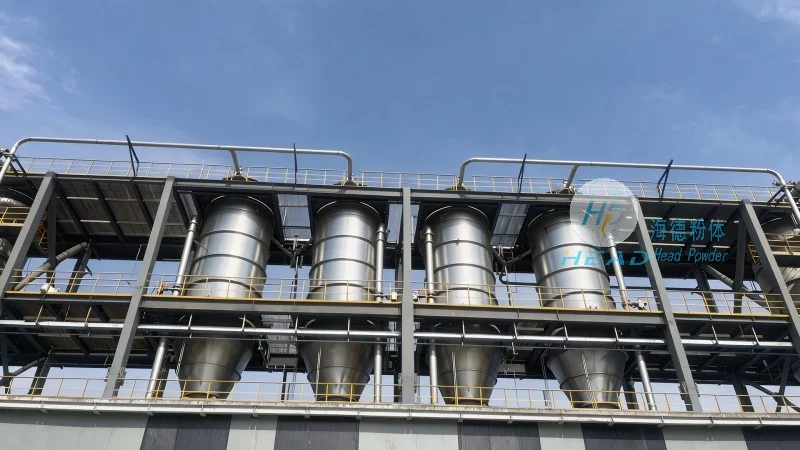
Understanding Small Bag Feeding Material Handling Equipment
At the core of small bag feeding material handling equipment is a combination of mechanical and pneumatic components that work together to handle the entire feeding process. The system typically includes a bag opening mechanism, a hopper or container to collect the material, and a conveyor or feeding device to transport the material to the next stage of processing. These systems are engineered to handle various bag sizes and types, ensuring versatility and adaptability to different material handling needs.
Key Components and Their Functions
The design of small bag feeding material handling equipment involves several key components, each playing a crucial role in the overall operation. The bag opening mechanism is responsible for safely and effectively opening the sealed bag, often using a cutting or tearing tool that is precisely controlled to avoid damaging the material inside. The hopper or receiving container is designed to collect the material as it is emptied from the bag, with features such as a discharge valve or gate to control the flow of material into the subsequent processing equipment. The conveyor or feeding device, which may include a screw conveyor, belt conveyor, or pneumatic transport system, is responsible for transporting the material from the hopper to the processing line, ensuring a continuous and controlled flow.
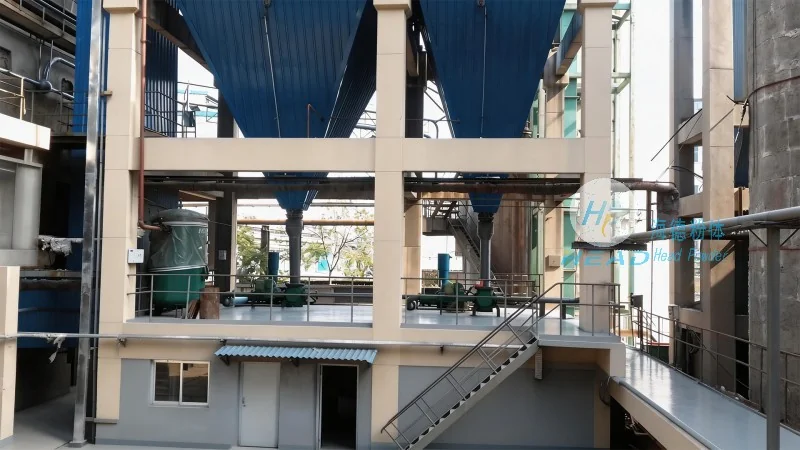
The Design Principles Behind Small Bag Feeding Systems
The design principles of small bag feeding material handling equipment are centered on efficiency, precision, and safety. Efficiency is achieved through automation, reducing the need for manual labor and minimizing downtime. Precision is ensured by controlling the flow rate and quantity of material being fed, which is critical for maintaining consistent product quality and preventing overfeeding or underfeeding. Safety is a paramount consideration, with features such as dust collection systems, material containment, and emergency stop mechanisms to protect operators and the environment.
Applications and Industries
Small bag feeding material handling equipment is utilized in a wide range of applications across various industries. In the chemical industry, these systems are used to feed raw materials into reactors or mixing equipment, ensuring precise dosing and process control. In the food and pharmaceutical industries, the equipment is employed to handle ingredients and raw materials, maintaining strict hygiene and safety standards. The mining industry also benefits from these systems, as they are used to transport bulk minerals and ores from bags to processing plants, improving operational efficiency and reducing labor costs.
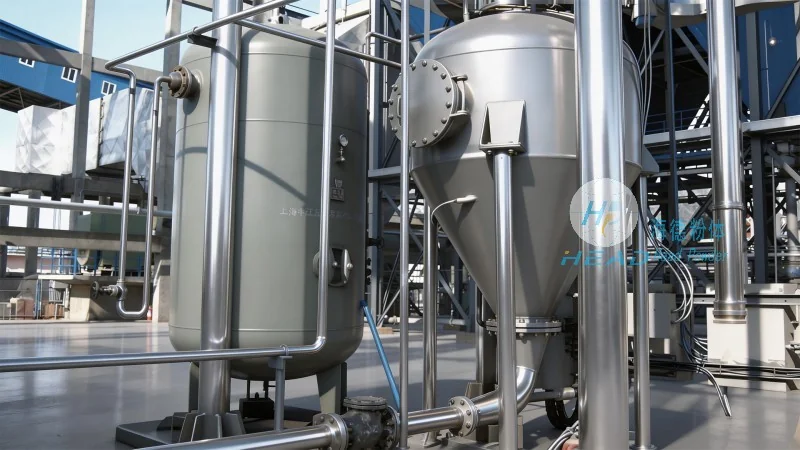
Advantages of Using Small Bag Feeding Material Handling Equipment
Implementing small bag feeding material handling equipment offers several advantages for businesses. The primary advantage is increased efficiency, as the automated system reduces the time and labor required for material handling. This leads to higher production throughput and reduced operational costs. Another key advantage is improved product quality, as the precise control of material flow ensures consistent dosing and reduces the risk of contamination or material loss. Additionally, these systems enhance safety in the workplace by minimizing manual handling of heavy or hazardous materials, reducing the risk of accidents and injuries.
Conclusion
Small bag feeding material handling equipment is a vital component in modern industrial operations, providing efficient, precise, and safe material transfer from small bags. The design principles behind these systems focus on automation, precision, and safety, making them suitable for a wide range of applications across various industries. By understanding the key components and design principles, businesses can select and implement the most appropriate small bag feeding system to meet their specific material handling needs and improve overall operational performance. Shandong HeadPowder Engineering Co., Ltd. specializes in providing high-quality small bag feeding material handling equipment tailored to the unique requirements of each industrial application.