

What is a Micropowder Material Pneumatic Conveying System? And What Are Its Design Principles?
HeadPowder, a leading provider in the field of material handling solutions, specializes in the design and implementation of advanced pneumatic conveying systems for micropowder materials. This article aims to explore the fundamentals of micropowder material pneumatic conveying systems, detailing their operational principles and design considerations to help potential clients understand the technology and its applications.
Introduction to Micropowder Material Pneumatic Conveying Systems
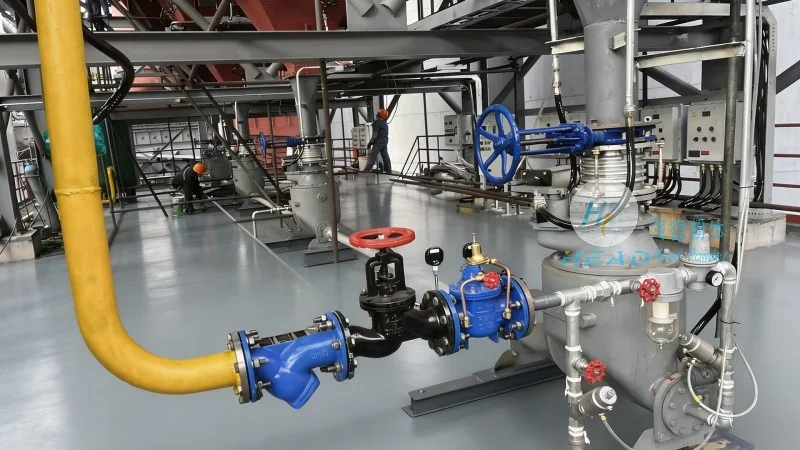
A micropowder material pneumatic conveying system is a sophisticated industrial solution used to transport fine powders and granular materials through a pipeline using compressed air or other gas as the conveying medium. Unlike traditional mechanical conveyors, which rely on physical contact and friction to move materials, pneumatic systems utilize the force of air to create a flow that can transport materials over long distances with minimal maintenance and operational complexity. The system typically consists of a series of components including a material feed hopper, a compressor or air source, a pipeline network, and a discharge receiver. These components work in tandem to ensure efficient and reliable material transfer, making it an ideal choice for industries dealing with sensitive or high-value micropowders.
Key Components and Their Functions
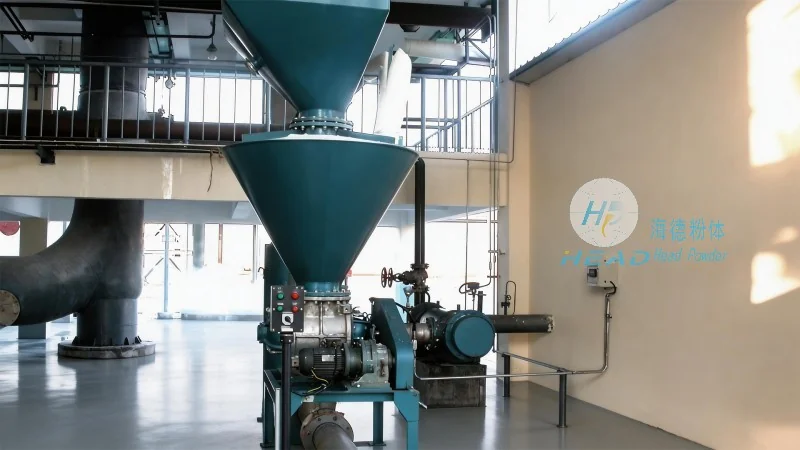
The effectiveness of a micropowder material pneumatic conveying system largely depends on the proper integration and operation of its key components. Each part plays a critical role in the overall system performance. The material feed hopper is responsible for storing and feeding the micropowder into the conveying line, ensuring a consistent flow rate. The compressor or air source provides the necessary pressure and volume of air to create the conveying airflow. The pipeline network, which can be made of various materials such as stainless steel or plastic, transports the material and air mixture from the feed point to the discharge point. The discharge receiver collects the material at the end of the pipeline, allowing for easy unloading and further processing. Additionally, the system may include accessories like filters, cyclones, and pressure regulators to maintain system efficiency and protect equipment from dust and pressure fluctuations.
Design Principles and Operational Mechanics
The design principles of a micropowder material pneumatic conveying system are centered around the balance of air velocity, material density, and pipeline diameter to achieve optimal conveying performance. The system operates on the principle of creating a sufficient air velocity to overcome the gravitational and frictional forces acting on the micropowder particles, allowing them to be suspended and carried through the pipeline. The air velocity must be high enough to keep the particles in suspension but not so high as to cause excessive wear on the pipeline or equipment. The design process involves calculating the required air volume and pressure based on the material's properties, such as particle size, density, and flowability, as well as the desired conveying distance and throughput. Engineers at Shandong HeadPowder Engineering Co., Ltd. utilize advanced computational fluid dynamics (CFD) and empirical formulas to optimize system design, ensuring that the system operates at peak efficiency with minimal energy consumption and material degradation.
Advantages of Micropowder Pneumatic Conveying Systems
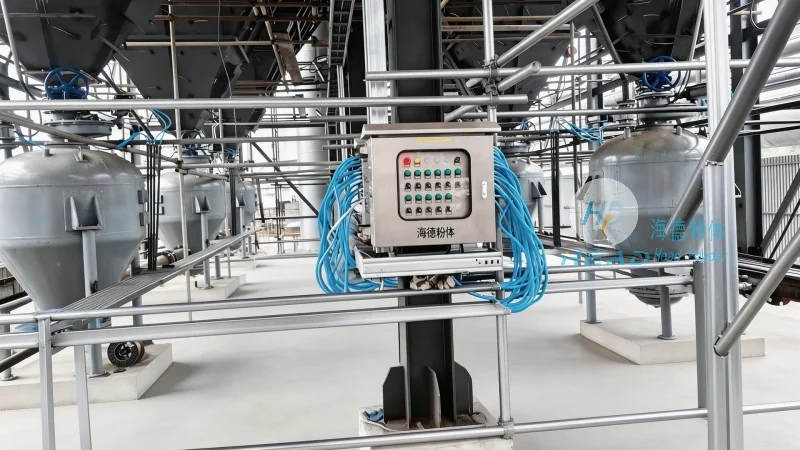
Compared to traditional conveying methods, micropowder material pneumatic conveying systems offer several distinct advantages that make them a preferred choice for many industries. One of the primary benefits is the ability to transport materials over long distances without the need for intermediate transfer points or manual handling, which reduces labor costs and improves operational safety. The system also provides a closed-loop operation, minimizing dust emissions and protecting the environment, which is particularly important for handling hazardous or sensitive micropowders. Additionally, pneumatic systems are highly flexible, allowing for changes in material flow rates or pipeline layout without significant modifications to the system. The low maintenance requirements and long service life of the components further contribute to the overall cost-effectiveness of the system. For companies dealing with high-value or delicate micropowders, the precision and control offered by pneumatic conveying systems are invaluable, ensuring that the material remains in its original state throughout the transfer process.
Applications and Industries
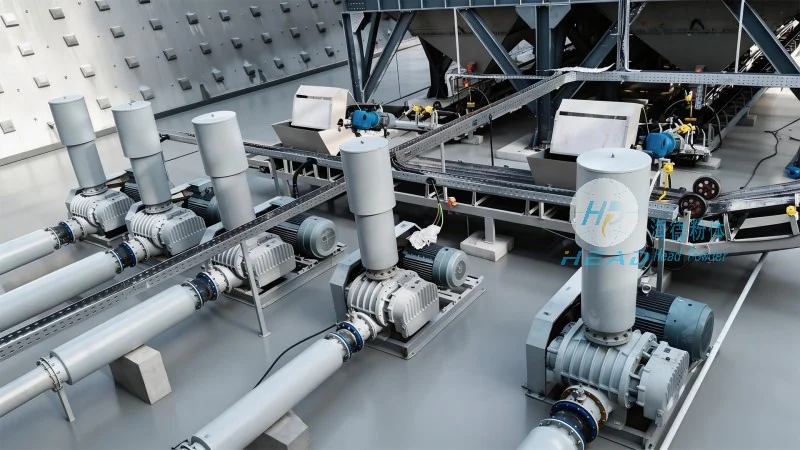
Micropowder material pneumatic conveying systems are widely used across various industries that require the handling of fine powders and granular materials. In the pharmaceutical industry, these systems are used to transport active pharmaceutical ingredients (APIs) and excipients with high precision, ensuring that the material remains sterile and free from contamination. The food and beverage industry utilizes pneumatic conveying for handling powdered ingredients like sugar, flour, and spices, maintaining product quality and preventing cross-contamination. The chemical industry relies on these systems for transporting various chemicals, including powders and granules, in a controlled and safe manner. Additionally, the manufacturing and processing industries use pneumatic conveying for materials like metal powders, ceramics, and plastics, where the system's ability to handle abrasive or corrosive materials is critical. The versatility and adaptability of the system make it suitable for a wide range of applications, from small-scale laboratory operations to large-scale industrial production lines.
Conclusion and Company Overview
As a leading manufacturer and supplier of material handling solutions, Shandong HeadPowder Engineering Co., Ltd. specializes in the design, manufacturing, and installation of micropowder material pneumatic conveying systems. With years of experience and a commitment to innovation, the company has developed state-of-the-art systems that meet the highest standards of efficiency, reliability, and safety. HeadPowder's team of engineers and technicians work closely with clients to understand their specific material handling needs and provide customized solutions that optimize performance and reduce operational costs. The company's headquarters is located in Shandong, China, where it maintains a state-of-the-art research and development facility, ensuring that its products remain at the forefront of technological advancements in the industry. By leveraging advanced design principles and high-quality materials, HeadPowder delivers systems that are not only effective but also durable and easy to maintain, providing long-term value to its clients.