

What is a Gypsum Powder Material Pneumatic Conveying System? And What Are Its Design Principles?
HeadPowder, a leading engineering company based in Shandong, China, specializes in the design and implementation of advanced pneumatic conveying systems for handling gypsum powder. This article explores the fundamental aspects of such systems, including their operational principles and key design considerations.
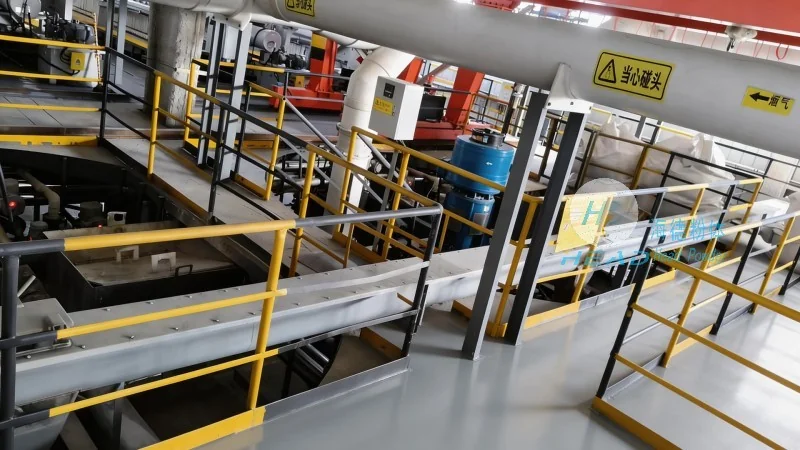
Understanding Pneumatic Conveying for Gypsum Powder
Gypsum powder, a widely used industrial material in construction and manufacturing, often requires efficient and reliable transport methods. Pneumatic conveying systems offer a solution by utilizing air to move the material through a pipeline. These systems are particularly advantageous for gypsum powder due to its fine particle size and potential for dust generation, as they can handle the material without the need for mechanical components that might cause contamination or blockages.
Core Components and Design Principles
The design of a gypsum powder pneumatic conveying system involves several critical components, each playing a vital role in the overall efficiency and effectiveness of the system. The primary components include the material feed hopper, the air supply system (usually a blower or compressor), the conveying pipeline, and the discharge unit. The design principles focus on ensuring proper air flow, particle suspension, and system pressure to maintain consistent material transport.
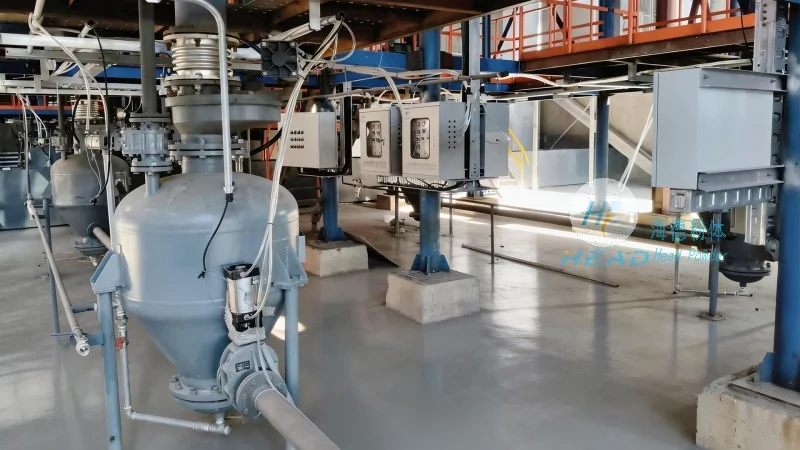
Material Feed and Hopper Design
The material feed hopper is the initial component where gypsum powder is loaded. It is designed to provide a consistent flow of material into the system, preventing blockages and ensuring a steady supply. The hopper typically features a sloped bottom and an airtight seal to maintain pressure and prevent dust leakage. For gypsum powder, which can be hygroscopic (absorbing moisture from the air), the hopper may include features to control humidity and maintain material quality during storage and transport.
Air Supply System and Pressure Management
The air supply system, often a positive displacement blower or a rotary lobe compressor, generates the necessary pressure to move the gypsum powder through the pipeline. The pressure levels are carefully selected based on the system's length, diameter, and the material's properties. Higher pressure is required for longer or more complex pipeline configurations, while lower pressure may suffice for shorter systems. The design also considers the air volume needed to achieve proper particle suspension, ensuring that the gypsum powder remains entrained in the air stream without settling or clogging the pipeline.
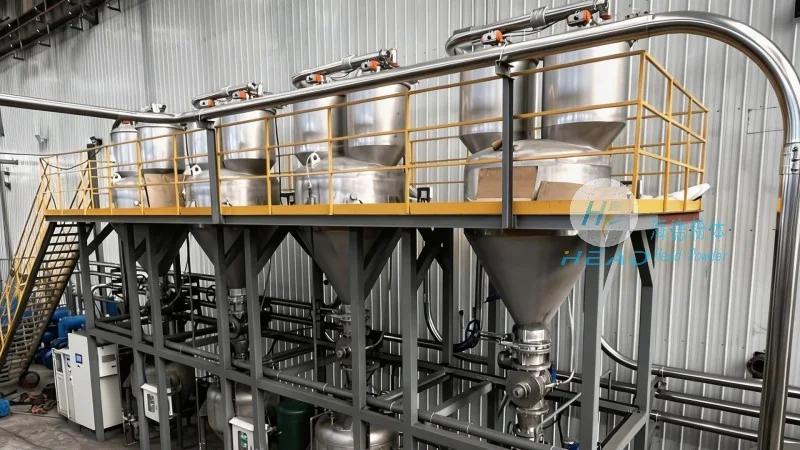
Conveying Pipeline and Material Transport
The conveying pipeline is a crucial part of the system, typically made of materials resistant to gypsum powder's chemical properties, such as stainless steel or specialized plastic. The pipeline diameter is selected to balance the air flow velocity and the material's particle size, ensuring that the powder is fully suspended and transported efficiently. The design may include bends, valves, and other components to direct the flow and control the system's operation. For gypsum powder, which can be abrasive, the pipeline is often lined with protective materials to extend its lifespan and maintain system performance.
Discharge and Collection Systems
The discharge unit is the final component where the gypsum powder is released from the system. It is designed to handle the material gently, preventing dust dispersion and ensuring a clean, controlled discharge. The system may include a dust collection or filtration unit to capture any airborne particles and maintain environmental compliance. The discharge can be directed to a storage silo, a processing unit, or another destination, depending on the application requirements.
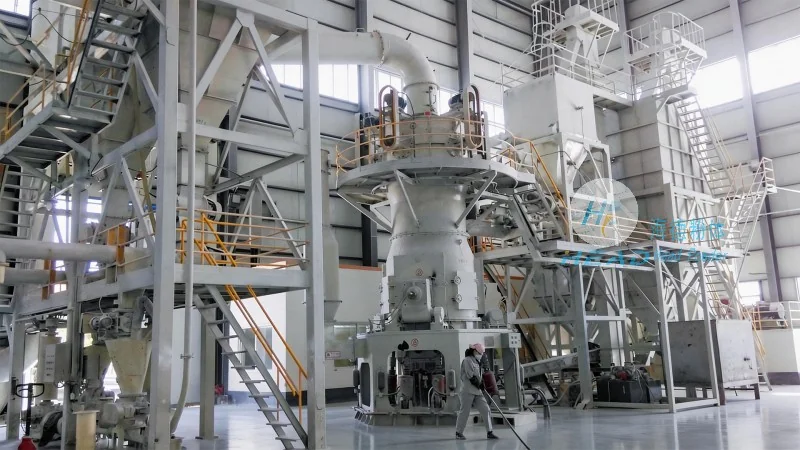
Advantages of Gypsum Powder Pneumatic Conveying Systems
Implementing a pneumatic conveying system for gypsum powder offers several advantages over traditional mechanical conveying methods. These include reduced labor costs, as the system operates automatically, minimizing the need for manual handling. Additionally, the system provides better material containment, reducing dust exposure and improving workplace safety. The design also allows for flexible system configurations, enabling easy integration with existing production lines or expansion as needed.
Conclusion
Gypsum powder pneumatic conveying systems are an essential technology for efficiently handling this critical industrial material. By understanding the core components and design principles, as well as the advantages they offer, companies can make informed decisions about implementing such systems. HeadPowder, with its expertise in engineering and material handling, provides comprehensive solutions tailored to the specific needs of gypsum powder applications, ensuring reliable and efficient material transport.