

What is a Feed Pellet Material Pneumatic Conveying System? What are the Design Principles?
For those in the feed processing industry, understanding the technology behind efficient material handling is crucial. A key component in modern feed production facilities is the pneumatic conveying system, specifically designed for transporting feed pellets. This article explores what a feed pellet material pneumatic conveying system is and the fundamental design principles that govern its operation, with insights from Shandong HeadPowder Engineering Co., Ltd., a leading provider of engineering solutions for the feed industry.
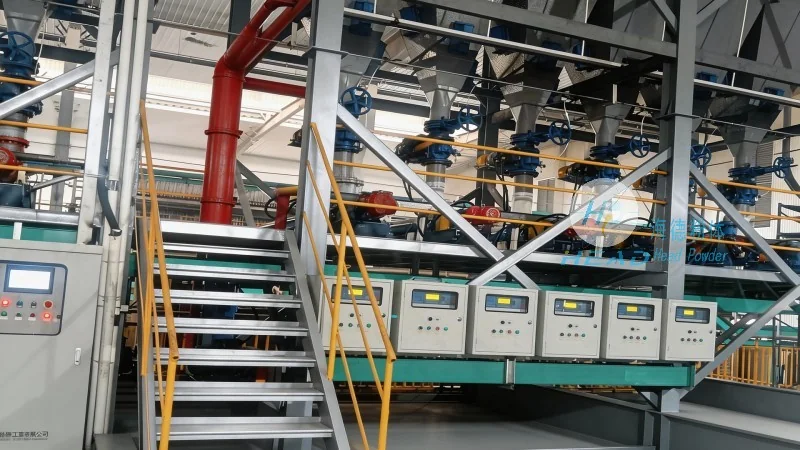
Introduction to Feed Pellet Material Pneumatic Conveying Systems
A feed pellet material pneumatic conveying system is a mechanical system that uses compressed air or other gas to transport solid materials, such as feed pellets, from one location to another within a processing facility. Unlike traditional methods like belt conveyors or screw conveyors, pneumatic systems offer advantages in terms of flexibility, hygiene, and the ability to handle materials that are dusty or have a tendency to clump. The system typically consists of a hopper for material storage, a conveyor line where the material is transported, and a receiver where the material is deposited. The entire process is driven by a blower or compressor that generates the necessary air pressure to move the pellets through the system. This technology is widely adopted in feed mills to streamline material handling and improve overall production efficiency.
Key Components of the System
The effectiveness of a feed pellet pneumatic conveying system relies on several critical components working in harmony. The primary components include the material hopper, which holds the feed pellets and provides a consistent feed to the system; the air supply unit, which generates the pressure needed to move the material; the conveying line, which can be either a rigid pipe or a flexible hose, depending on the system design; and the receiver, which collects the transported pellets. Additionally, the system may include accessories such as filters to capture dust, valves to control flow, and check valves to prevent backflow. Each component plays a vital role in ensuring the system operates efficiently and safely, minimizing the risk of material loss or contamination during transport.
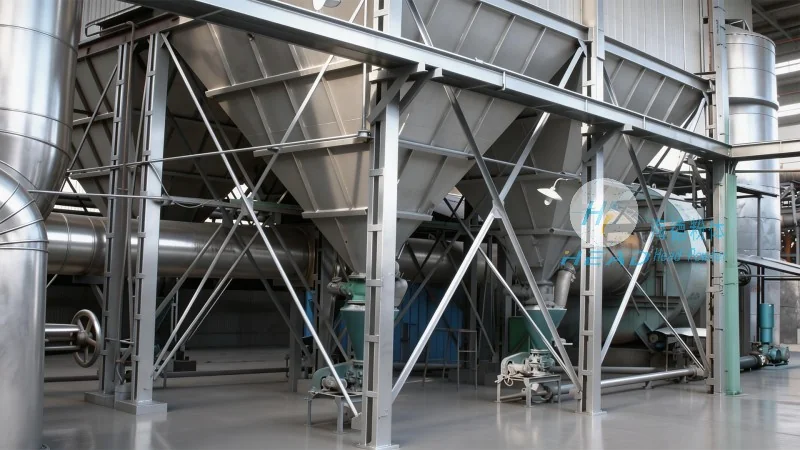
Design Principles for Efficient Operation
The design of a feed pellet material pneumatic conveying system is based on several key principles to ensure optimal performance. The first principle is the selection of the appropriate air velocity, which must be high enough to overcome the resistance of the material in the pipe but not so high as to cause excessive wear or energy consumption. The air velocity is typically determined by the material's properties, such as its density and particle size, as well as the system's layout and length. Another critical principle is the system's pressure drop, which is the reduction in air pressure as it moves through the conveying line. Proper design minimizes pressure drop to ensure the system operates within the blower's capacity and maintains consistent material flow. The system's layout also follows principles of gravity and air flow, with the hopper and receiver positioned to allow for natural material flow and minimize the need for additional mechanical assistance. Furthermore, the design considers the material's characteristics, such as its tendency to settle or clump, to ensure the system can handle these challenges without clogging or inefficiency. These principles collectively contribute to a reliable and high-performance pneumatic conveying system.
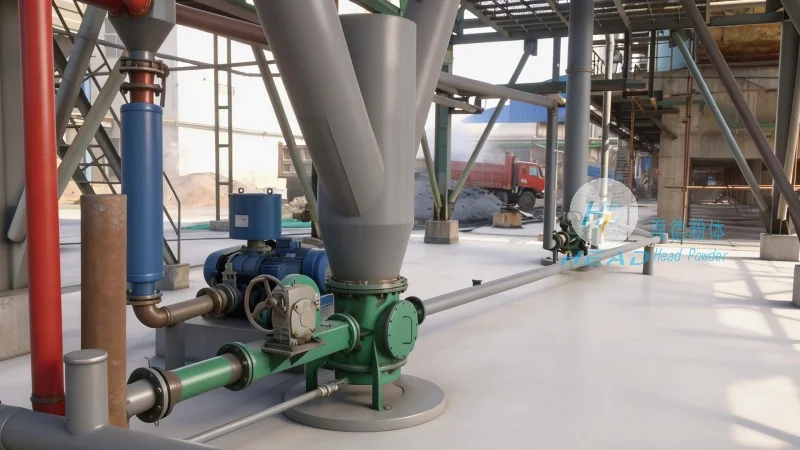
Advantages of Using a Pneumatic Conveying System for Feed Pellets
Implementing a pneumatic conveying system for feed pellets offers several advantages over traditional material handling methods. One of the most significant benefits is the improved hygiene and sanitation. Since the system is enclosed, it prevents dust and contaminants from entering the environment, which is crucial in feed production where product quality and safety are paramount. Additionally, pneumatic systems are more flexible and can be easily reconfigured to accommodate changes in production processes or facility layout. They also reduce the risk of material contamination from external sources and minimize the need for manual handling, which enhances workplace safety. From an operational standpoint, pneumatic systems can handle a wide range of material types and sizes, making them versatile for different feed production applications. The enclosed design also helps in maintaining consistent material temperature and moisture levels, which is important for preserving the quality of the feed pellets and ensuring they meet regulatory standards.
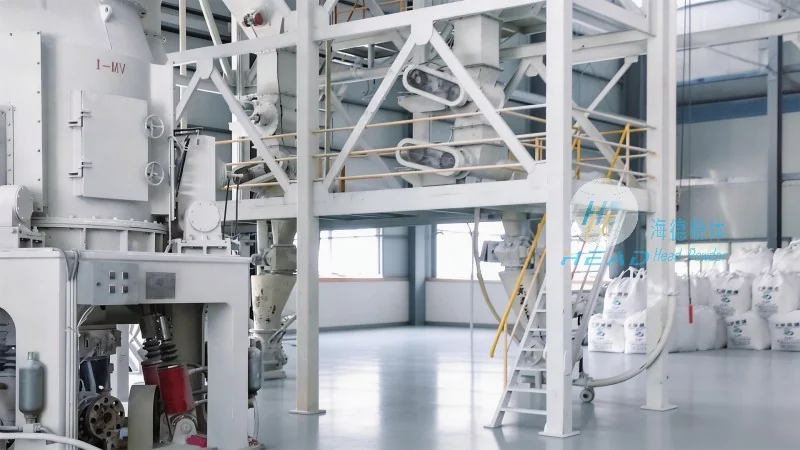
Applications in the Feed Industry
Feed pellet material pneumatic conveying systems are widely used in various applications within the feed industry. They are commonly employed in feed mills to transport raw materials from storage silos to processing equipment, such as pelletizers. The system can also be used to move finished feed pellets from the production line to storage silos or packaging areas. In addition, pneumatic conveying is used in the transportation of additives and supplements, such as vitamins and minerals, which are often added to feed formulations. The system's ability to handle these materials without degradation or loss of quality makes it an ideal choice for these applications. Furthermore, the system is used in the transfer of feed pellets from one processing stage to another, such as from drying to cooling or from cooling to packaging. The flexibility and efficiency of the pneumatic system make it a preferred choice for these critical material handling tasks in feed production, helping to reduce downtime and improve overall production throughput.
Conclusion
In conclusion, a feed pellet material pneumatic conveying system is a sophisticated and efficient solution for handling feed pellets in the modern feed processing industry. The system's design, based on principles of air flow, material properties, and system layout, ensures reliable and hygienic material transport. By understanding the components and design principles of such a system, feed producers can optimize their operations, improve product quality, and enhance workplace safety. As the feed industry continues to evolve, the use of advanced material handling technologies like pneumatic conveying will remain essential for maintaining competitiveness and meeting the demands of a growing market. Shandong HeadPowder Engineering Co., Ltd. remains committed to providing innovative solutions that enhance the efficiency and sustainability of feed production processes.