

What is a zinc calcine material pneumatic conveying equipment? What is its design principle?
For industrial applications involving zinc calcine processing, efficient material handling is crucial. A key component in this process is the pneumatic conveying equipment designed specifically for zinc calcine material. This equipment plays a vital role in transporting zinc calcine from one processing stage to another, ensuring smooth operation and maintaining product quality. The design of such equipment is tailored to handle the unique characteristics of zinc calcine, including its particle size, moisture content, and bulk density. As a leading provider in the field, Shandong HeadPowder Engineering Co., Ltd., based in Shandong, China, specializes in developing and manufacturing high-quality pneumatic conveying systems tailored to the needs of zinc processing plants.
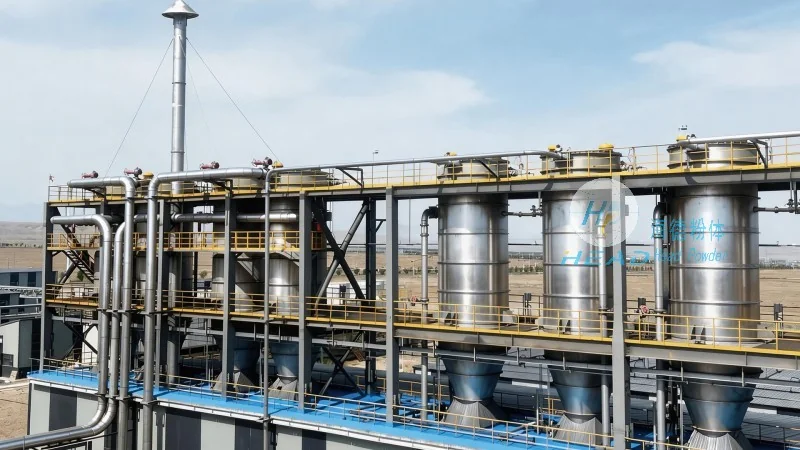
Understanding the Design Principle of Pneumatic Conveying Systems
The design principle of zinc calcine material pneumatic conveying equipment revolves around the use of air as the conveying medium. This method, known as pneumatic conveying, involves transporting solid particles through a pipeline using compressed air. The system typically consists of a hopper, a feeder, a conveying line, and a receiver. The hopper stores the zinc calcine, and the feeder controls the flow rate of the material into the conveying line. Compressed air is then introduced into the line, creating a flow that lifts and moves the zinc calcine particles. The design must consider factors such as the material's flowability, the required conveying distance, and the desired pressure and velocity of the air to ensure effective and reliable transport. The system is engineered to maintain a consistent air flow and pressure, which is essential for preventing material blockages and ensuring the smooth movement of zinc calcine through the pipeline.
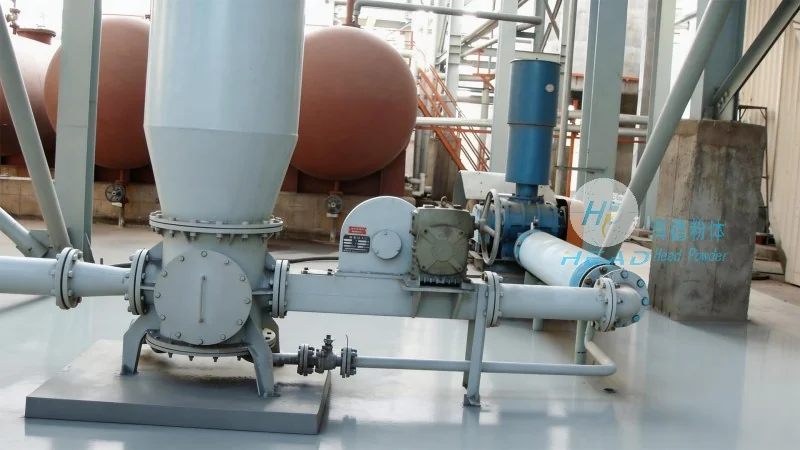
Key Components and Their Functions in the Equipment
Several key components make up a zinc calcine material pneumatic conveying system. The first is the material hopper, which is designed to store the zinc calcine and maintain a consistent feed. The hopper often includes a cone or a funnel to facilitate material flow and prevent clogging. The feeder, typically a rotary valve or a screw feeder, regulates the amount of material entering the conveying line. This component is critical to prevent overloading the system and to maintain a steady flow. The conveying line itself is usually made of stainless steel or other corrosion-resistant materials to handle the potential acidity or moisture in the zinc calcine. The line may include bends and elbows to direct the material to the receiver. The receiver, or discharge hopper, collects the zinc calcine at the end of the conveying line. It may also include a dust collection system to control emissions and maintain environmental compliance. The dust collection system is often integrated with the receiver to capture any fine particles that may escape during the conveying process, ensuring that the system operates in an environmentally friendly manner.
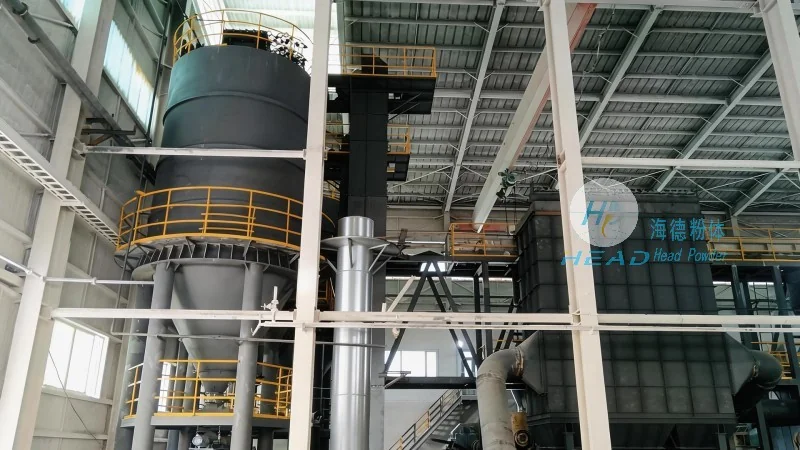
Advantages of Using Pneumatic Conveying for Zinc Calcine
There are several advantages to using pneumatic conveying equipment for zinc calcine material. One of the primary benefits is the ability to transport material over long distances without the need for multiple transfer points. This reduces the risk of material degradation and contamination, which is particularly important for zinc calcine as it can be sensitive to moisture and temperature changes. Pneumatic conveying also allows for a more hygienic and dust-free environment compared to traditional mechanical conveying methods. The enclosed system prevents dust from escaping into the workplace, improving safety and compliance with environmental regulations. Additionally, the equipment can be designed to handle varying material flow rates, making it adaptable to different production needs. The system is also relatively compact, requiring less floor space compared to other material handling solutions, which is beneficial for plants with limited space.
Considerations for Design and Installation
When designing and installing a zinc calcine material pneumatic conveying system, several factors must be considered. The first is the material's physical properties, such as particle size distribution, moisture content, and bulk density. These properties affect the flowability and the required air velocity and pressure. The conveying distance and the number of bends in the line also impact the system's design. Longer distances or more bends may require higher air pressure or additional booster units to maintain the conveying efficiency. The system must also be designed to handle any potential abrasion or corrosion from the zinc calcine. Materials like stainless steel are commonly used for the conveying line and components to ensure durability and longevity. Proper maintenance is also essential to prevent system failures and ensure consistent performance. Regular inspections and cleaning of the hopper, feeder, and conveying line are necessary to maintain the system's efficiency and prevent clogging or blockages.
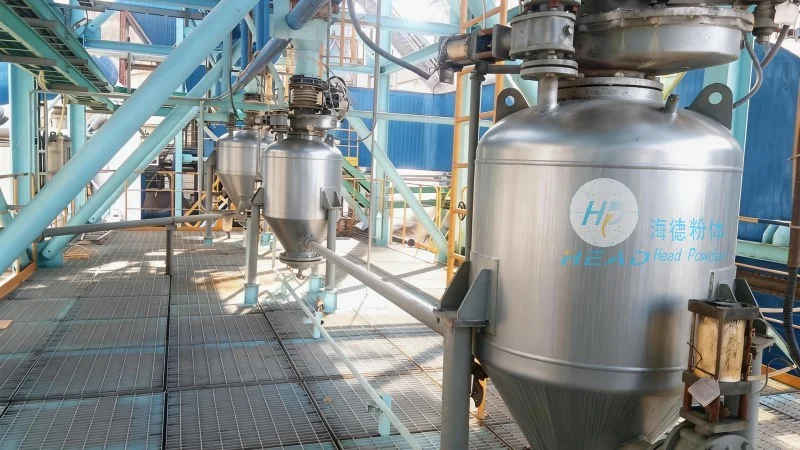
Conclusion: The Importance of Specialized Equipment for Zinc Calcine Processing
In conclusion, the zinc calcine material pneumatic conveying equipment is a critical component in the zinc processing industry. Its design, based on the principles of pneumatic conveying, allows for efficient and reliable transport of zinc calcine. The equipment's components are carefully selected and designed to handle the unique characteristics of the material, ensuring optimal performance. By using such specialized equipment, companies can improve their production efficiency, maintain product quality, and comply with environmental regulations. The investment in a well-designed pneumatic conveying system is a strategic decision that can lead to long-term benefits for the business. Shandong HeadPowder Engineering Co., Ltd. continues to innovate and provide advanced solutions for zinc calcine material handling, supporting the growth and sustainability of the zinc processing industry.