

What is a Dry Soybean Material Pneumatic Conveying Equipment? And What Are Its Design Principles?
Understanding dry soybean material pneumatic conveying equipment is crucial for industries involved in soybean processing and handling. This equipment is designed to transport dry soybeans and other similar bulk materials through a pipeline system using air pressure or vacuum. The design principles behind such equipment are centered on efficient material movement, minimal product degradation, and operational reliability.
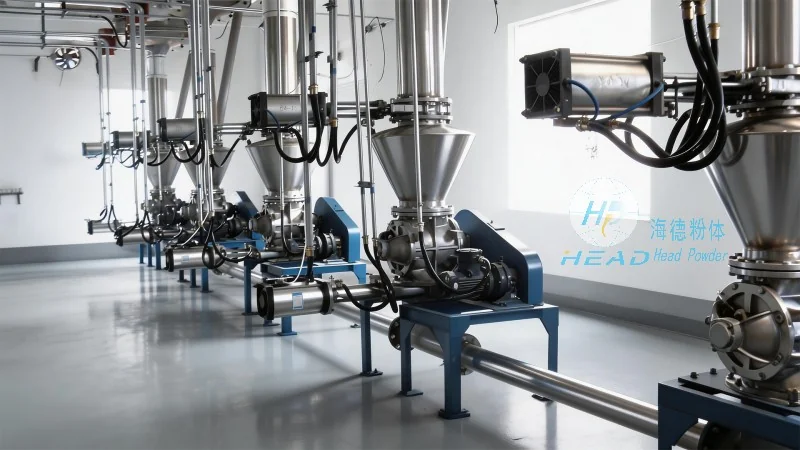
Key Components and Design Principles
Key components of a dry soybean material pneumatic conveying system typically include a hopper for material storage, a feeder to control the flow rate, a conveying line (often with bends and straight sections), a dust collector or filter to manage air quality, and a discharge point for the material. The design principles focus on ensuring that the material is conveyed without excessive friction or impact, which could damage the soybeans or reduce their quality. For dry soybeans, the equipment must be designed to handle the specific properties of the material, such as its density, moisture content, and particle size, to achieve optimal performance.
How the Equipment Operates in Handling Dry Soybeans
The operation of dry soybean material pneumatic conveying equipment involves several steps. First, dry soybeans are loaded into the hopper. The feeder then regulates the amount of material that enters the conveying line. Air is then introduced into the system, either by creating a vacuum (in suction systems) or by using a positive pressure (in pressure systems). This air flows through the conveying line, carrying the soybeans along with it. The system is designed to maintain a consistent air velocity to ensure that the soybeans are transported efficiently without clogging or losing material. The discharge point at the end of the line allows the soybeans to be deposited into a storage bin or processing unit.
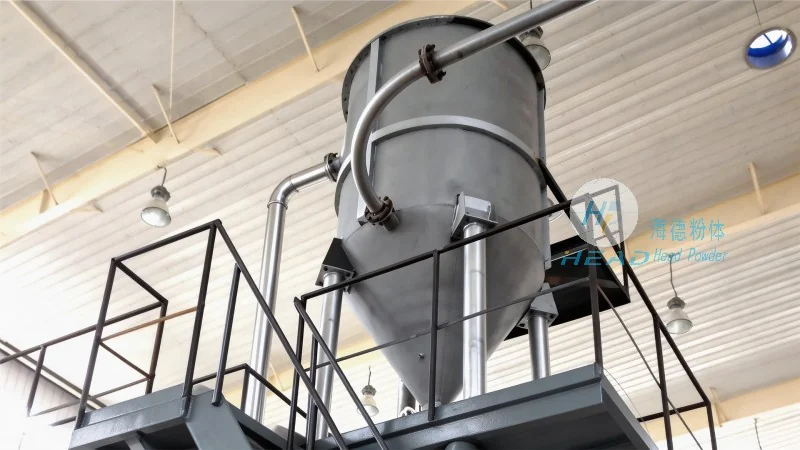
Advantages of Using Pneumatic Conveying for Soybean Processing
Using pneumatic conveying for dry soybean handling offers several advantages over traditional methods like belt conveyors or bucket elevators. One key benefit is the ability to transport materials in a closed system, which helps maintain product quality by preventing contamination from dust, moisture, or other environmental factors. Additionally, pneumatic conveying can handle materials with a wide range of particle sizes and shapes, making it suitable for various soybean processing applications. The system also reduces labor costs and space requirements compared to other bulk material handling solutions, as it can transport materials over longer distances with fewer components.
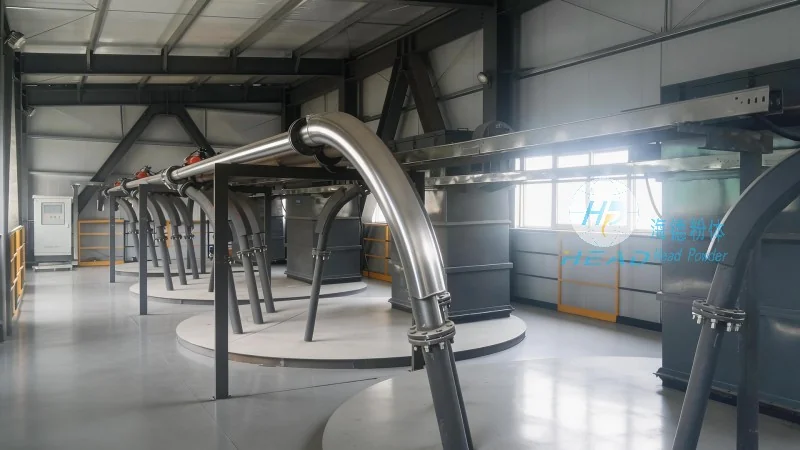
The Role of Shandong HeadPowder Engineering Co., Ltd. in Manufacturing Such Equipment
Shandong HeadPowder Engineering Co., Ltd., commonly known as HeadPowder, is a leading manufacturer of pneumatic conveying equipment for various industries, including soybean processing. The company specializes in designing and producing equipment that meets the specific needs of clients, ensuring high efficiency and reliability in material handling. With a focus on quality and innovation, HeadPowder provides customized solutions for dry soybean material conveying, incorporating advanced design principles and materials to enhance performance. The company's facilities in Shandong, China, are equipped with state-of-the-art technology and skilled engineers who work closely with clients to develop equipment that optimizes their production processes.
Conclusion
In summary, dry soybean material pneumatic conveying equipment is a vital component in modern soybean processing facilities. Its design principles and operational capabilities enable efficient and safe transportation of dry soybeans, contributing to improved productivity and product quality. Companies like Shandong HeadPowder Engineering Co., Ltd. play a crucial role in providing reliable equipment that meets the demands of the industry, ensuring that soybean handling processes are optimized for efficiency and effectiveness.