

What is an Oxidized Chromium Material Pneumatic Conveying Line? And What Are Its Design Principles?
Understanding the Oxidized Chromium Material Pneumatic Conveying Line and Its Design Principles
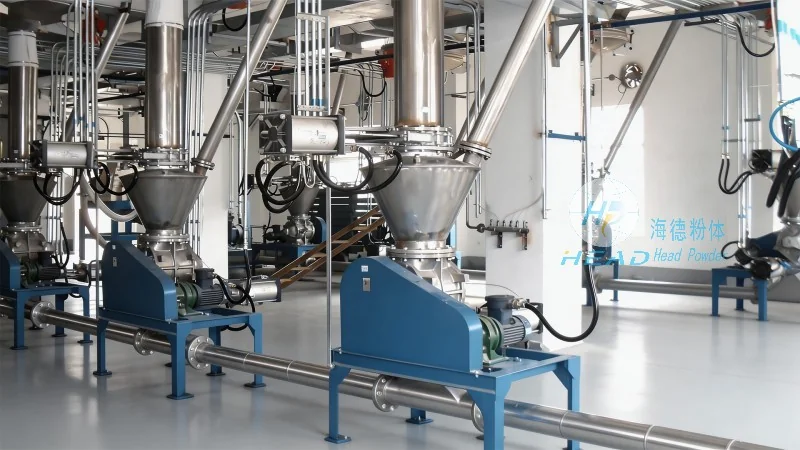
Introduction to Oxidized Chromium Material Pneumatic Conveying Systems
Oxidized chromium, also known as chromium oxide, is a widely used industrial material in various applications such as pigments, catalysts, and coatings. The efficient and safe transportation of this material from one location to another is crucial for industrial operations. Pneumatic conveying lines offer a reliable solution for handling oxidized chromium, ensuring minimal product degradation and maintaining a clean, dust-free environment. This article explores the concept of an oxidized chromium material pneumatic conveying line and delves into the fundamental design principles that underpin its operation.
What is a Pneumatic Conveying Line?
A pneumatic conveying line is a system that uses compressed air or other gases to transport bulk materials through a pipeline. Unlike traditional mechanical conveying methods like belt conveyors or screw conveyors, pneumatic systems rely on the force of air to move particles. This method is particularly suitable for materials that are dusty, abrasive, or sensitive to moisture and temperature changes, making it ideal for oxidized chromium, which can be prone to agglomeration and degradation if not handled properly.
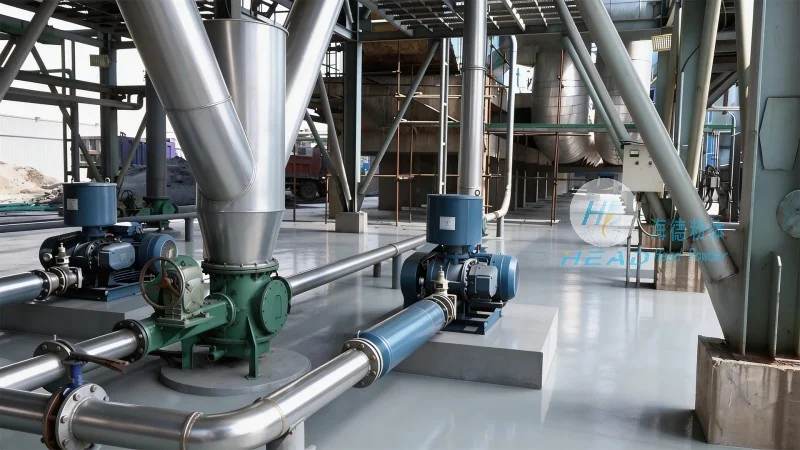
Key Components of an Oxidized Chromium Pneumatic Conveying Line
The design of an oxidized chromium pneumatic conveying line involves several critical components, each playing a vital role in ensuring efficient and safe material transport. These components include:
- Feed Hopper: The feed hopper is the initial point where oxidized chromium is loaded into the system. It is designed to store the material and provide a controlled feed rate to the conveyor. The hopper typically features a discharge valve or gate to regulate the flow of material into the pipeline.
- Conveying Pipeline: The pipeline is the main channel through which oxidized chromium travels. It is usually made of materials resistant to corrosion and abrasion, such as stainless steel or special alloys, to withstand the chemical and physical properties of chromium oxide. The pipeline is designed with appropriate diameters and slopes to maintain the flow of material and air.
- Compressor and Air Treatment System: The compressor generates the necessary pressure to move the material through the pipeline. The air treatment system, which includes filters and dryers, ensures that the air used is clean and free from contaminants that could affect the quality of oxidized chromium. This is crucial as chromium oxide is sensitive to moisture and can react with impurities in the air.
- Separation and Collection System: At the end of the conveying line, the oxidized chromium is separated from the air. This is typically achieved using a cyclone separator or a baghouse filter. The separated material is collected in a receiving hopper or storage silo, while the cleaned air is discharged back into the environment or recycled for further use.
Design Principles for Oxidized Chromium Pneumatic Conveying
The design of an oxidized chromium pneumatic conveying line must adhere to several key principles to ensure optimal performance and safety. These principles include:
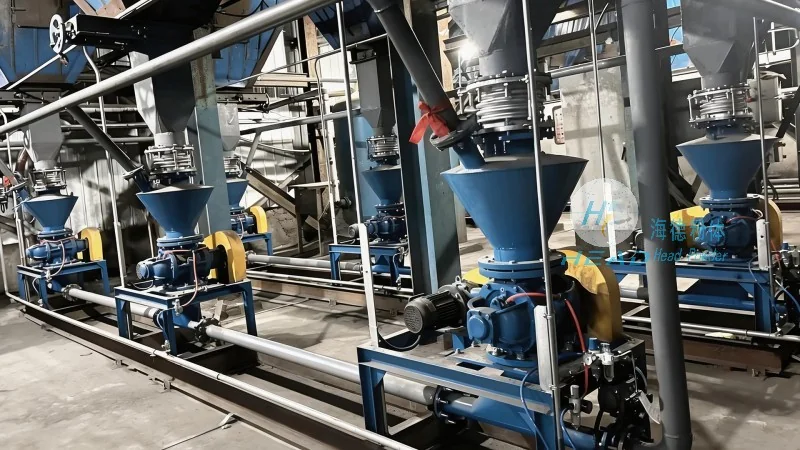
- Material Compatibility: All components of the conveying line, including the pipeline, valves, and fittings, must be compatible with oxidized chromium. This means using materials that are resistant to corrosion and chemical reactions with chromium oxide. Stainless steel is commonly used due to its durability and resistance to corrosion.
- Flow Rate and Velocity Control: The flow rate and velocity of the material in the pipeline are critical factors. The velocity must be high enough to prevent material settling or clogging but not so high as to cause excessive wear on the pipeline or damage to the material. Proper calculation of the air-to-material ratio is essential to achieve the desired flow rate.
- Pressure and Energy Efficiency: The system is designed to operate at an optimal pressure level that balances efficiency and cost. High-pressure systems are used for long-distance or high-resistance conveying, while low-pressure systems are suitable for short distances or low-resistance applications. Energy efficiency is a key consideration, as the compressor and air treatment system account for a significant portion of the operational costs.
- Safety and Environmental Considerations: Oxidized chromium is a hazardous material, and the conveying line must be designed with safety in mind. This includes proper ventilation to prevent dust accumulation, explosion-proof components for high-pressure systems, and regular maintenance to ensure the system operates within safe parameters. Environmental regulations must also be considered, as the system must minimize emissions and waste.
Applications of Oxidized Chromium Pneumatic Conveying Lines
Oxidized chromium pneumatic conveying lines are used in various industrial applications, including:
- Pigment Manufacturing: In the production of chromium-based pigments, the material needs to be transported from storage silos to processing equipment. Pneumatic conveying lines ensure a clean and efficient transfer of the pigment, maintaining its quality and preventing contamination.
- Catalyst Production: Oxidized chromium is used as a catalyst in chemical reactions. The conveying line must handle the material with precision to avoid any loss or degradation, ensuring the catalyst remains effective.
- Coating and Surface Treatment: In industries that use chromium oxide for surface coatings, the material is transported from storage to application equipment. The pneumatic system provides a consistent and controlled supply of the material, improving the quality of the coating.
Conclusion
An oxidized chromium material pneumatic conveying line is a sophisticated system that combines engineering principles with material science to ensure the efficient and safe transportation of chromium oxide. The design principles, including material compatibility, flow rate control, and safety considerations, are crucial for the system's performance and longevity. Companies like Shandong HeadPowder Engineering Co., Ltd., based in China, specialize in designing and manufacturing such systems, providing industrial clients with reliable solutions for their material handling needs.