

What is a Sodium Nitrate Material Pneumatic Conveying Line? What Are Its Design Principles?
Sodium nitrate, also known as Chile saltpeter, is a critical chemical compound widely used in various industrial applications, including fertilizer production, explosives manufacturing, and food preservation. When handling this material, efficient and reliable transport systems are essential to ensure safety, maintain product quality, and optimize operational efficiency. A pneumatic conveying line specifically designed for sodium nitrate is a specialized system that utilizes air or other gas to move the material from one location to another. This technology offers several advantages over traditional methods like belt conveyors or bucket elevators, particularly in terms of flexibility, cleanliness, and the ability to handle fine or dusty powders without generating excessive dust or contamination.
The Core Design Principles of a Sodium Nitrate Pneumatic Conveying System
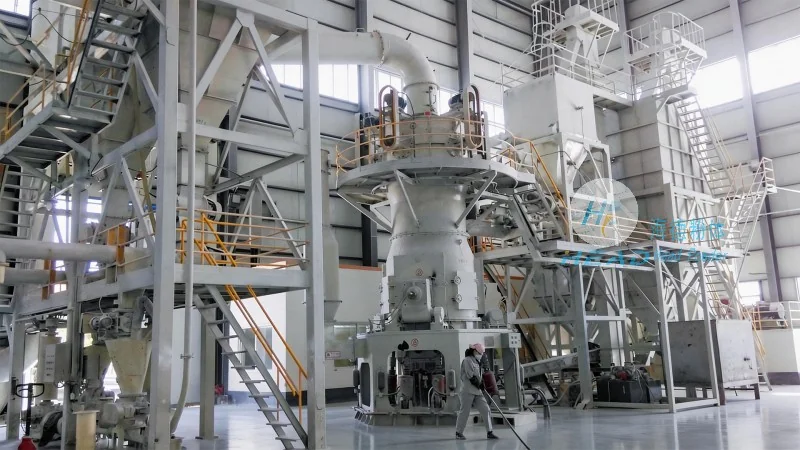
The design of a sodium nitrate pneumatic conveying line is based on several key principles to ensure safe and effective operation. First, the system must be constructed from materials that are compatible with sodium nitrate and resistant to corrosion, as the material can be aggressive and may cause wear on metal surfaces. Common materials used for the construction of the conveying line include stainless steel, special alloys, or coated components to prevent chemical reactions and maintain the integrity of the material being transported. Second, the system is designed to minimize the risk of dust explosion, which is a significant hazard when handling fine powders like sodium nitrate. This is achieved through the implementation of explosion-proof components, proper ventilation systems, and the use of inert gases or other measures to reduce the risk of ignition sources. Third, the conveying system is engineered to handle the specific flow characteristics of sodium nitrate, which can vary depending on moisture content, particle size, and bulk density. The design includes appropriate air velocities, pressure differentials, and pipeline diameters to ensure smooth and consistent material flow without clogging or excessive pressure drops. Fourth, the system incorporates safety features such as pressure relief valves, overfill protection, and emergency shutdown mechanisms to prevent accidents and protect personnel and equipment. These design principles collectively ensure that the pneumatic conveying line operates safely, efficiently, and reliably, meeting the stringent requirements of industrial applications involving sodium nitrate.
Key Components of a Sodium Nitrate Pneumatic Conveying Line
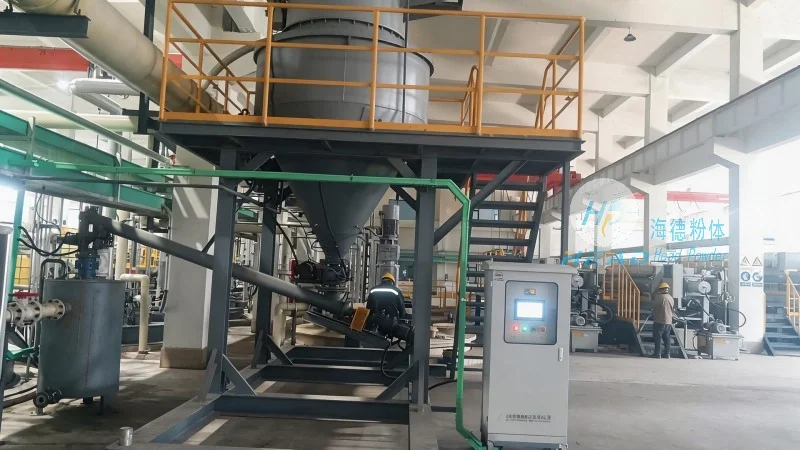
A typical sodium nitrate pneumatic conveying line consists of several essential components that work together to transport the material. The primary components include a material feeder, which is responsible for feeding the sodium nitrate into the conveying line at a controlled rate. The feeder may be a rotary valve, a screw feeder, or a vibrating feeder, depending on the specific requirements of the application. Next, the conveying line itself, which is a network of pipes or ducts that transport the material using air or gas. The pipes are usually made of stainless steel or other corrosion-resistant materials to withstand the chemical properties of sodium nitrate. The system may include bends, elbows, and other fittings to direct the material flow, and these components are designed to minimize pressure losses and prevent material buildup. A compressor or blower is used to generate the necessary air or gas pressure to move the material through the line. The pressure and flow rate are carefully controlled to ensure efficient transport without causing excessive wear on the system components. The system also includes a receiver or discharge hopper, where the material is collected at the end of the conveying line. The receiver is typically equipped with a discharge valve or outlet to allow the material to be discharged into a storage bin or processing equipment. Additionally, the system may include a dust collection system or filter to capture any airborne particles and prevent contamination of the environment. This component is crucial for maintaining a clean and safe working environment, especially when handling fine powders like sodium nitrate. Each of these components is carefully selected and integrated to ensure the overall performance and reliability of the pneumatic conveying line.
Applications and Benefits of Sodium Nitrate Pneumatic Conveying
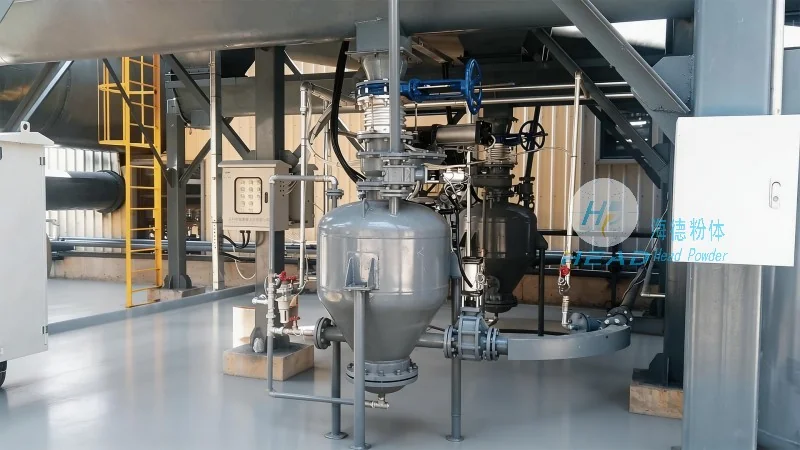
Sodium nitrate pneumatic conveying lines are widely used in various industrial sectors due to their versatility and efficiency. In the fertilizer industry, these systems are used to transport sodium nitrate from storage silos to processing plants or to other production facilities. The ability to handle large volumes of material quickly and safely is essential for meeting production demands and maintaining supply chain efficiency. In the explosives industry, the system is used to transport sodium nitrate to mixing and loading facilities, where it is combined with other ingredients to produce various types of explosives. The safety features of the system are particularly important in this application, as the material is highly sensitive and requires careful handling to prevent accidents. In the food industry, sodium nitrate is used as a preservative in certain food products, and the pneumatic conveying line is used to transport the material from storage to food processing equipment. The system's ability to maintain product purity and prevent contamination is critical for meeting food safety regulations. The benefits of using a pneumatic conveying line for sodium nitrate include improved safety, reduced labor costs, increased operational efficiency, and the ability to handle fine or dusty materials without generating excessive dust. The system also offers flexibility, as it can be easily modified or expanded to accommodate changing production needs. Overall, the use of a well-designed pneumatic conveying line for sodium nitrate provides significant advantages over traditional transport methods, making it a preferred choice for many industrial applications.