

What is a Paddy Grain Bulk Material Pneumatic Conveying Line? What are the Design Principles?
In the agricultural processing sector, efficient handling of paddy grains and bulk materials is essential for maintaining productivity and product quality. A key technological solution for this is the paddy grain bulk material pneumatic conveying line. This system leverages air or gas to transport paddy grains and other bulk materials through a pipeline, offering advantages over traditional mechanical conveyors. This article explores what a paddy grain bulk material pneumatic conveying line is and examines its core design principles.
Understanding Paddy Grain Bulk Material Pneumatic Conveying Lines
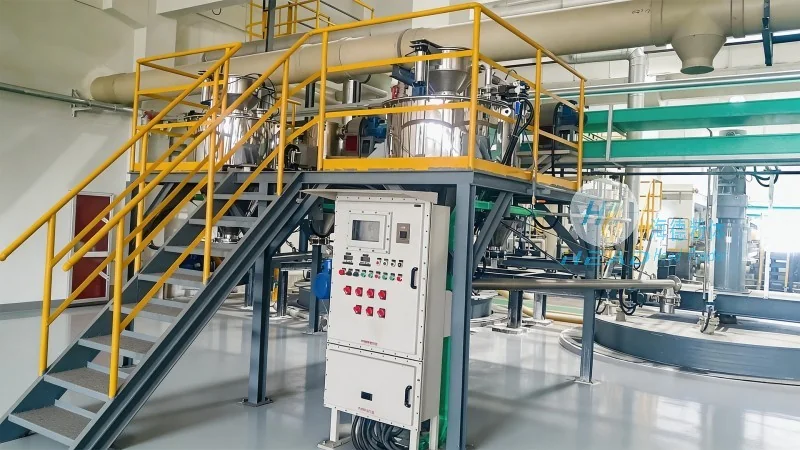
A paddy grain bulk material pneumatic conveying line is a sophisticated system designed to move paddy grains and other bulk materials from one point to another within a processing facility. Unlike mechanical conveyors that rely on physical components like belts or buckets, pneumatic systems use air pressure to move materials. This approach is particularly beneficial for delicate materials like paddy grains, as it minimizes the risk of damage and contamination. The system typically includes a hopper for material storage, a feeder to regulate flow, a conveying pipeline, a blower or air compressor to generate pressure, and a receiver or silo for final storage. Each component works in harmony to ensure smooth and efficient material transport.
Core Components and Their Functions
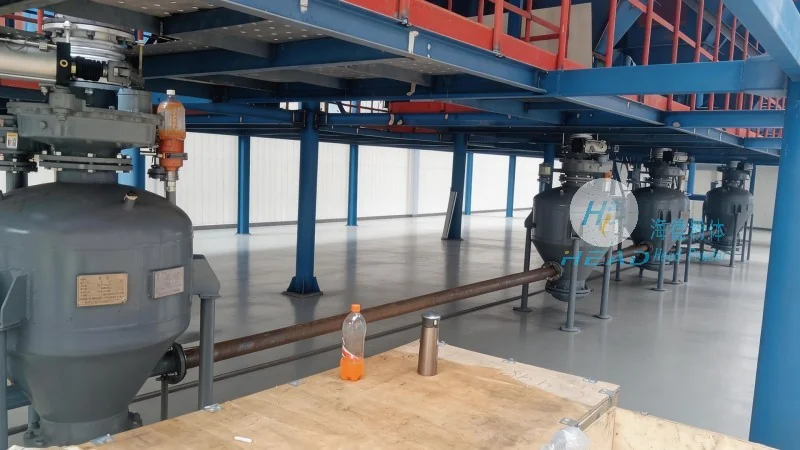
The effectiveness of a paddy grain bulk material pneumatic conveying line hinges on its well-engineered components. The hopper provides a storage reservoir, ensuring a consistent feed to the system. The feeder, often a rotary valve or screw feeder, controls the material flow rate, preventing overloading or blockages. The conveying line, usually made of stainless steel or other corrosion-resistant materials, transports the material under pressure. The blower or air compressor generates the necessary air pressure to move the material through the pipeline. Finally, the receiver or silo collects the material at its destination. Each component must be selected and sized appropriately to handle the specific properties of paddy grains, such as their size, moisture content, and density.
Design Principles for Optimal Performance
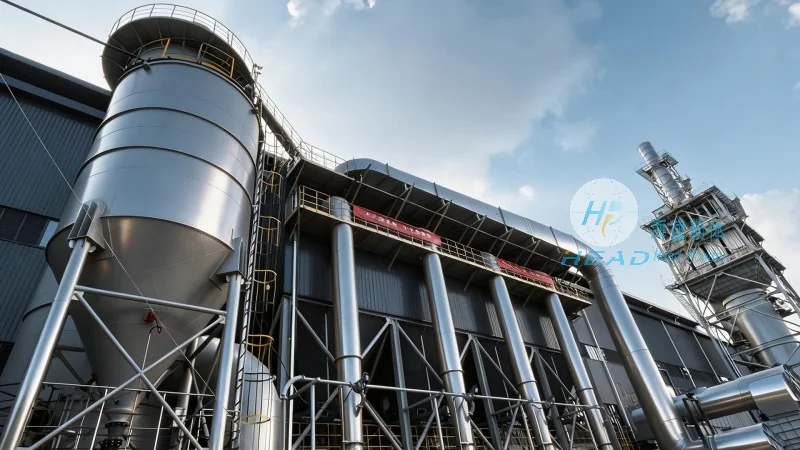
The design of a paddy grain bulk material pneumatic conveying line is guided by several critical principles to ensure efficiency and reliability. First, the system must accommodate the material's physical characteristics. This involves selecting equipment that can handle the material's flow properties without causing excessive wear or blockages. For instance, the feeder must be designed to prevent material bridging or agglomeration, which can disrupt the conveying process. Second, air velocity within the pipeline is a key factor. The velocity must be optimized to ensure the material is fully suspended and transported without causing damage or excessive energy consumption. Too low a velocity may lead to material settling, while too high a velocity can increase energy costs and equipment wear.
Third, the system's layout and configuration are crucial for minimizing pressure losses. This includes optimizing the length and diameter of the conveying line, as well as the placement of bends and transitions. Proper design reduces energy consumption and ensures consistent material flow. Additionally, the system must incorporate features for cleaning and maintenance, such as access points and cleaning ports, to maintain hygiene and operational efficiency. Finally, safety and regulatory compliance are paramount. The design must adhere to industry standards to ensure safe operation and environmental protection.
Benefits of Implementing Paddy Grain Pneumatic Conveying Systems
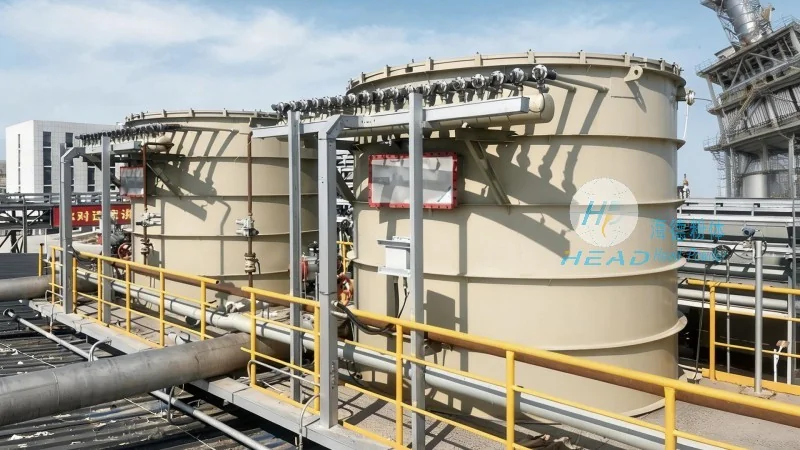
Adopting a paddy grain bulk material pneumatic conveying line offers numerous advantages for processing facilities. These include enhanced material handling efficiency, reduced labor costs through automation, and improved product quality by minimizing material damage and contamination. The system also provides flexibility, as it can be easily integrated with other processing equipment and scaled to accommodate increased production volumes. Furthermore, pneumatic conveying systems are generally more hygienic and easier to clean than traditional mechanical conveyors, which is critical in food processing environments. This results in better compliance with food safety regulations and higher customer satisfaction.