

What is a magnesium oxide powder pneumatic conveying line? What are its design principles?
Magnesium oxide powder, a vital industrial material utilized across sectors including construction, chemical manufacturing, and pharmaceuticals, often necessitates efficient and reliable handling solutions. The pneumatic conveying line emerges as a sophisticated system engineered to transport this fine powder from one location to another with precision and minimal loss. This article explores the fundamental aspects of a magnesium oxide powder pneumatic conveying line, examining its core design principles and operational mechanisms.
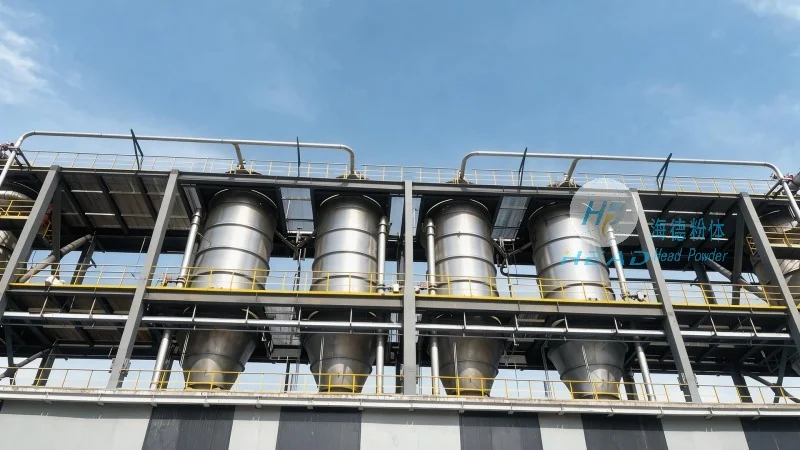
Understanding the Core Components of a Pneumatic Conveying System
At the heart of any pneumatic conveying line lies a series of interconnected components that collaborate to ensure seamless material transport. The system typically comprises a hopper for material storage, a feeder to regulate flow rate, a conveying pipeline (often equipped with bends and valves for directional control), and a receiver to collect the delivered powder. For magnesium oxide powder, which is known for its fine particle size and propensity for dust generation, these components are engineered to minimize particle degradation and maintain consistent flow. The selection of materials for the hopper and pipeline—such as stainless steel or specialized polymers—is critical to prevent corrosion and preserve the purity of the powder.
Design Principles for Efficient Pneumatic Conveying of Magnesium Oxide Powder
The design of a magnesium oxide powder pneumatic conveying line is guided by several key principles aimed at optimizing performance and reliability. First, the system must account for the specific properties of magnesium oxide powder, including its density, particle size distribution, and flow characteristics. The velocity of the conveying air is a critical parameter; it must be sufficient to overcome gravitational and frictional forces acting on the powder particles while avoiding excessive air consumption or particle degradation. Engineers often employ the "air-to-material ratio" to determine the optimal air velocity, balancing energy efficiency with material integrity. Additionally, the system design considers the need for pressure control, as both positive and negative pressure (or vacuum) conveying methods are utilized depending on the application and distance of transport. Positive pressure systems are generally preferred for long-distance or high-volume transport, while negative pressure systems are suitable for short distances or when the receiving point is at a lower elevation.
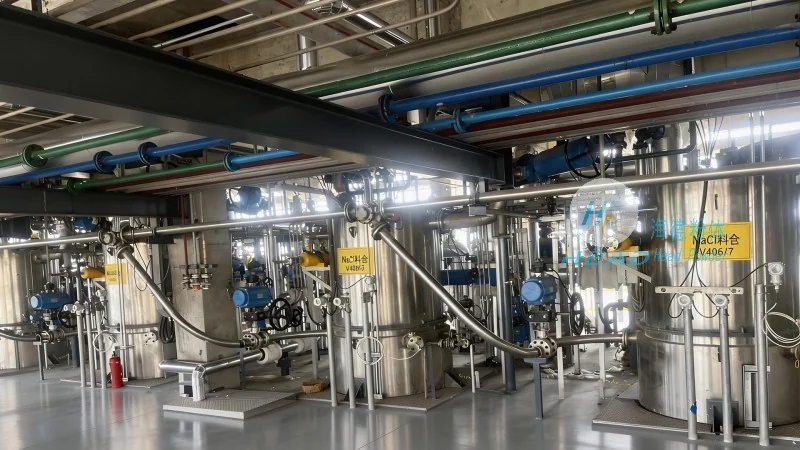
Key Design Considerations for Magnesium Oxide Powder Handling
Handling magnesium oxide powder requires special attention to prevent caking, agglomeration, and blockages, which can disrupt the conveying process. The system incorporates features such as vibration feeders or agitators to maintain the powder's free-flowing state. The pipeline design also includes regular cleaning mechanisms, such as pulse jets or air blowers, to remove any accumulated powder and prevent system downtime. Furthermore, the selection of the conveying medium—whether air, nitrogen, or other inert gases—depends on the powder's reactivity and the need to prevent oxidation or contamination. For magnesium oxide, which is relatively stable but can still be sensitive to moisture, the use of dry, filtered air is standard to maintain product quality.
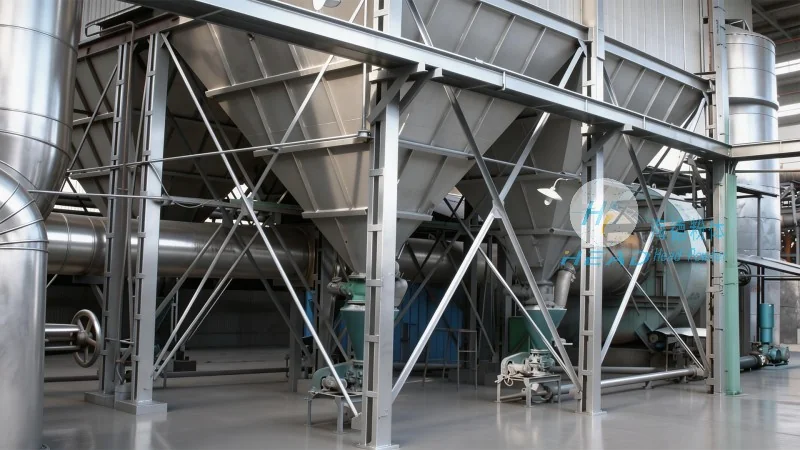
Applications and Benefits of Magnesium Oxide Pneumatic Conveying Lines
Magnesium oxide powder pneumatic conveying lines find extensive applications across industries. In the construction sector, they are used to transport the powder for concrete additives, ensuring uniform mixing and consistent product quality. In chemical manufacturing, the system facilitates the transfer of magnesium oxide for the production of magnesium compounds, such as magnesium hydroxide or magnesium chloride. The pharmaceutical industry also benefits from these systems, as they enable the precise handling of magnesium oxide used in dietary supplements or medical formulations. The primary benefits of using a pneumatic conveying line include improved safety (reducing manual handling of fine powders), enhanced efficiency (minimizing material loss and downtime), and cost savings (reducing the need for bulk storage and transportation). Additionally, the system's ability to handle fine powders without the need for mechanical components minimizes wear and tear, extending the operational life of the equipment.
HeadPowder: Your Trusted Partner in Pneumatic Conveying Solutions
Shandong HeadPowder Engineering Co., Ltd., a leading manufacturer of industrial conveying systems, specializes in designing and manufacturing customized pneumatic conveying lines tailored to the unique needs of magnesium oxide powder applications. With a focus on innovation and quality, HeadPowder leverages advanced engineering principles to develop systems that meet the highest standards of efficiency and reliability. The company's expertise lies in understanding the specific challenges of handling fine powders like magnesium oxide, ensuring that each system is optimized for the material's properties. HeadPowder's team of engineers works closely with clients to assess their operational requirements, from material flow rates and distances to environmental constraints, and designs a solution that maximizes performance while minimizing maintenance. The company's facilities in Shandong, China, are equipped with state-of-the-art manufacturing equipment and rigorous quality control processes, ensuring that every pneumatic conveying line meets or exceeds industry specifications. Whether for new installations or system upgrades, HeadPowder provides comprehensive support, from initial design and installation to ongoing maintenance and technical assistance. By choosing HeadPowder, clients gain access to a reliable partner committed to delivering durable, efficient, and cost-effective pneumatic conveying solutions for their magnesium oxide powder handling needs.