

What is a Metal Iron Powder Material Pneumatic Conveying Line? What are its Design Principles?
When it comes to handling metal iron powder, efficient and reliable material transport is crucial for industrial processes. A metal iron powder material pneumatic conveying line is a specialized system designed to move iron powder from one location to another using air or gas as the conveying medium. This technology offers a solution to the challenges associated with transporting fine powders, such as iron powder, which can be prone to caking, dusting, and handling difficulties. Understanding the design principles behind such a system is essential for optimizing performance and ensuring safe operation in industrial settings.
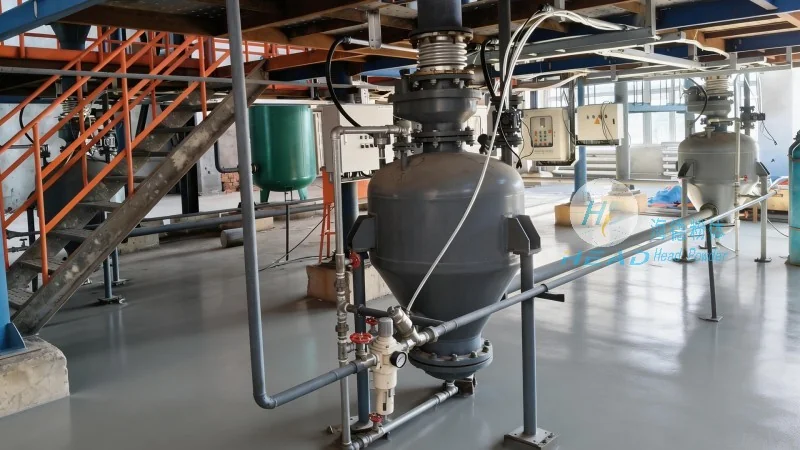
Overview of Metal Iron Powder Pneumatic Conveying Systems
A metal iron powder material pneumatic conveying line typically consists of several key components that work together to transport the iron powder. The system is designed to handle the unique properties of iron powder, including its fine particle size, potential for agglomeration, and the need for a clean, dust-free environment. The primary goal is to achieve efficient, continuous, and safe transport of the material from the source to the destination, minimizing downtime and operational costs.
Design Principles of Pneumatic Conveying Lines
The design of a metal iron powder pneumatic conveying line is based on fundamental principles of fluid dynamics and material handling. The system can operate under either positive pressure (pressure conveying) or negative pressure (vacuum conveying), depending on the specific requirements of the application. Positive pressure systems use a blower or compressor to force air through the conveying line, while negative pressure systems use a vacuum pump to create a suction effect that draws the powder into the line. The choice between these two methods depends on factors such as the distance to be covered, the volume of material to be transported, and the need to maintain a clean environment.
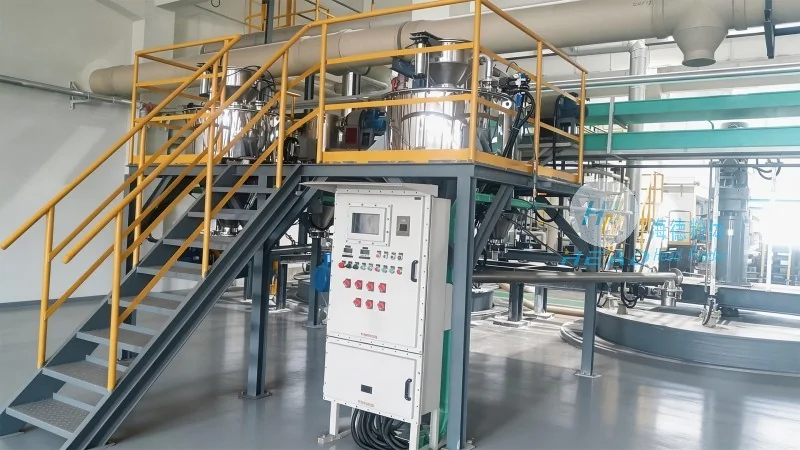
In the case of metal iron powder, the design must account for the material's tendency to form clumps or agglomerates. This is typically addressed through the use of in-line mixers or agitators that break up the powder as it moves through the system. Additionally, the conveying line is often equipped with filters and dust collectors to prevent the release of iron powder particles into the environment, ensuring compliance with environmental regulations and maintaining a safe working area. The system's design also considers the velocity of the air flow, which must be sufficient to keep the powder suspended but not so high as to cause excessive wear on the equipment or damage to the powder particles.
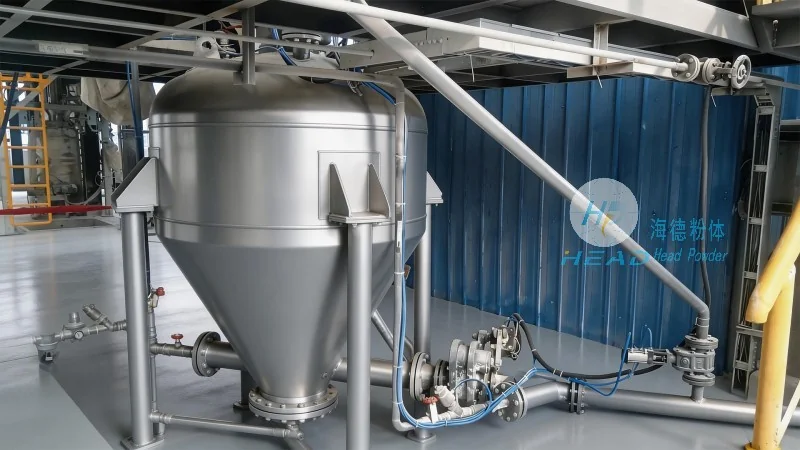
Key Components and Their Functions
Several critical components make up a metal iron powder pneumatic conveying line. The first is the material feed system, which may include a hopper or a rotary valve to control the flow of iron powder into the conveying line. This component is designed to prevent blockages and ensure a consistent feed rate. The second is the air or gas source, which provides the necessary pressure or vacuum to move the powder. This can be a blower, compressor, or vacuum pump, depending on the system type. The third is the conveying line itself, which is typically made of materials resistant to corrosion and wear, such as stainless steel or special alloys, to withstand the abrasive nature of iron powder. The line may include bends, elbows, and straight sections to guide the powder to the destination. The fourth component is the separation and discharge system, which collects the iron powder at the end of the line and returns the air to the source or filters it before release. This system may include cyclones, bag filters, or other separation devices to ensure that the powder is efficiently collected and the air is clean.
Benefits and Applications
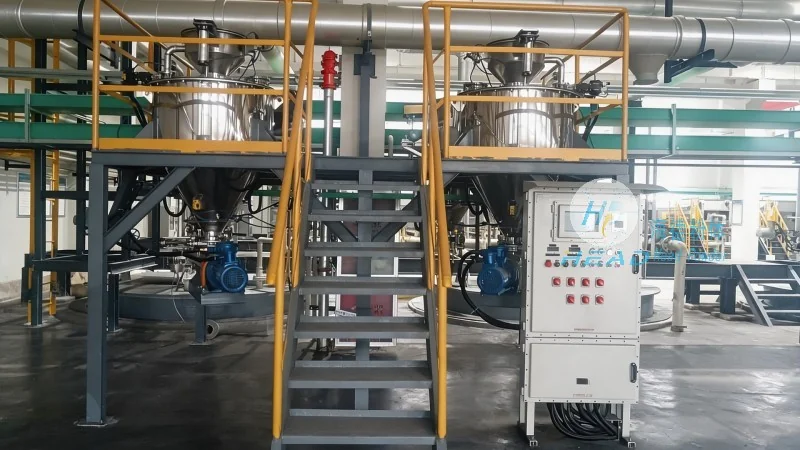
Implementing a metal iron powder material pneumatic conveying line offers several advantages over traditional methods like belt conveyors or manual handling. The primary benefit is the ability to transport iron powder in a closed system, which reduces dust exposure and improves workplace safety. This is particularly important in industries where iron powder is used in manufacturing, such as steel production, powder metallurgy, or chemical processing. Another advantage is the high efficiency and speed of the system, which can significantly reduce production time and increase throughput. The closed system also helps maintain the purity of the iron powder, preventing contamination from external sources. Additionally, the system is flexible and can be easily integrated into existing industrial processes, allowing for adjustments to the flow rate or destination as needed.
Customization and Engineering Solutions by HeadPowder
Shandong HeadPowder Engineering Co., Ltd., commonly known as HeadPowder, specializes in designing and manufacturing customized metal iron powder pneumatic conveying lines tailored to the specific needs of their clients. With a deep understanding of the unique challenges associated with handling iron powder, HeadPowder's engineering team develops solutions that address issues such as material agglomeration, dust control, and system efficiency. The company's approach involves working closely with clients to assess their operational requirements, material properties, and environmental regulations to design a system that meets all specifications. HeadPowder's expertise includes the selection of appropriate components, such as blower types, filter systems, and conveying line materials, to ensure optimal performance and longevity. The company also provides installation and maintenance services to ensure that the system operates at peak efficiency throughout its lifespan. By leveraging their experience and technical knowledge, HeadPowder helps industrial facilities achieve reliable, cost-effective, and safe transport of metal iron powder, supporting their overall productivity and compliance with industry standards.