

What is a Biological Enzyme Material Pneumatic Conveying Line? What are its Design Principles?
Biological enzyme material pneumatic conveying lines are specialized systems engineered to transport bulk materials, particularly those sensitive to moisture or requiring controlled environmental conditions, such as biological enzymes. These systems utilize air or other gases to move materials through a pipeline network, offering advantages like dust-free operation, reduced product degradation, and efficient handling of delicate substances. The core components typically include a feeding device, a conveying pipeline, a separation unit, and a control system, all designed to ensure safe and reliable material transport.
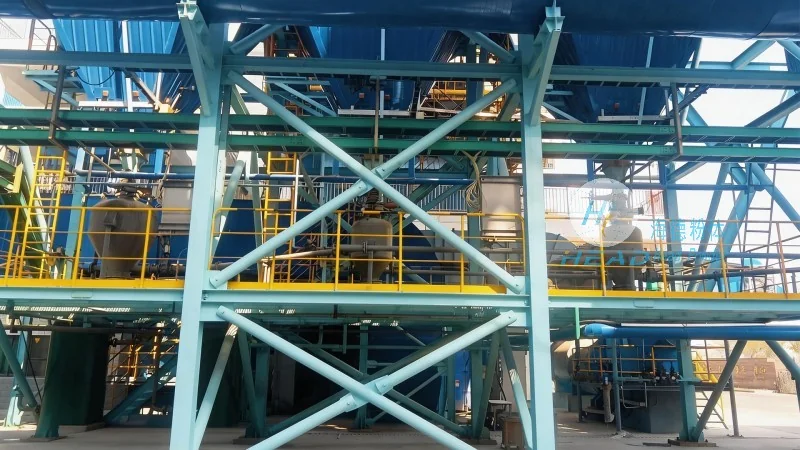
The design of a biological enzyme material pneumatic conveying line must consider several critical factors to maintain product integrity and operational efficiency. First, the material's physical properties, such as particle size, density, and flowability, are analyzed to select appropriate conveying velocities and pipeline diameters. This ensures that the material moves smoothly without causing excessive pressure drops or blockages. Second, the system's air flow rate and pressure are optimized to balance energy consumption and conveying capacity. Proper air velocity is crucial to prevent material deposition or degradation, especially for heat-sensitive biological enzymes. Third, the system incorporates features like temperature control and filtration to protect the product from contamination and maintain its biological activity. For example, the conveying pipeline may be made of stainless steel or food-grade materials to avoid chemical reactions with the enzymes, and the air is filtered to remove particulates that could damage the product.
The feeding device is a critical component in the system, responsible for consistently delivering material into the conveying pipeline. Options like rotary valves, screw feeders, or vibratory feeders are selected based on the material's characteristics to prevent issues like segregation or agglomeration. A well-designed feeding mechanism ensures a uniform flow, preventing surges that could lead to system inefficiencies or equipment wear. The separation unit, often a cyclone or a bag filter, is integrated to separate the conveyed material from the air stream, allowing for product recovery and air recirculation or discharge. This unit must be tailored to handle the material's specific properties, such as its moisture content or particle size, to avoid clogging and maintain system performance.
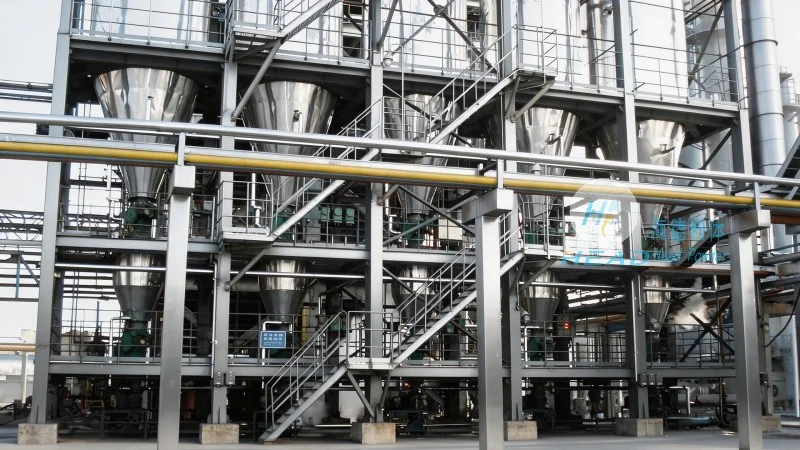
Modern control systems play a vital role in optimizing the operation of the pneumatic conveying line. Sensors and automation monitor parameters like pressure, flow rate, and material level, adjusting the system in real-time to maintain optimal conditions. This not only improves efficiency but also enhances product quality by minimizing exposure to adverse conditions. For biological enzymes, which are highly sensitive to temperature and moisture, precise control is essential to preserve their activity and shelf life.
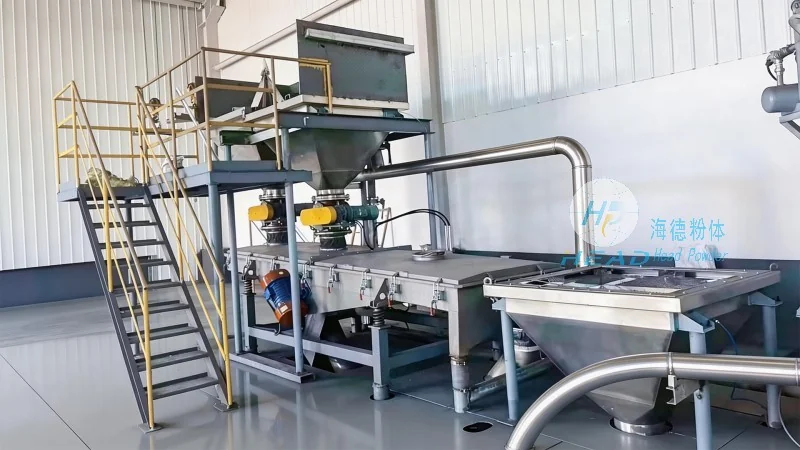
Scalability and integration with existing production lines are also key considerations in the design process. Companies like Shandong HeadPowder Engineering Co., Ltd., a leading manufacturer specializing in pneumatic conveying solutions, offer customized systems tailored to specific customer needs. Their expertise lies in understanding the unique requirements of biological materials and designing systems that ensure product integrity while maximizing operational efficiency. With a focus on quality and innovation, HeadPowder provides comprehensive solutions that include material handling, system integration, and after-sales support, helping clients achieve reliable and cost-effective material transport for their biological enzyme products.
Proper maintenance is essential to ensure the long-term performance and reliability of the pneumatic conveying line. Regular cleaning, maintenance, and inspection of components like the conveying pipeline, separation unit, and feeding device are crucial to prevent contamination and maintain consistent operation. This includes checking for wear and tear, replacing filters, and verifying system performance parameters. By adhering to proper maintenance practices, users can extend the equipment's lifespan and preserve the quality of their biological enzyme products.