

What is a Fly Ash Particle Material Pneumatic Conveying Machine? And What Are Its Design Principles?
Understanding the technology behind fly ash particle material pneumatic conveying machines is crucial for industries dealing with this byproduct of coal combustion. These systems are engineered to efficiently transport fine, dry particles like fly ash over varying distances, often in environments where traditional bulk handling methods may fall short. The design principles of such equipment are rooted in fluid dynamics, material science, and mechanical engineering, ensuring reliable, low-maintenance operation.
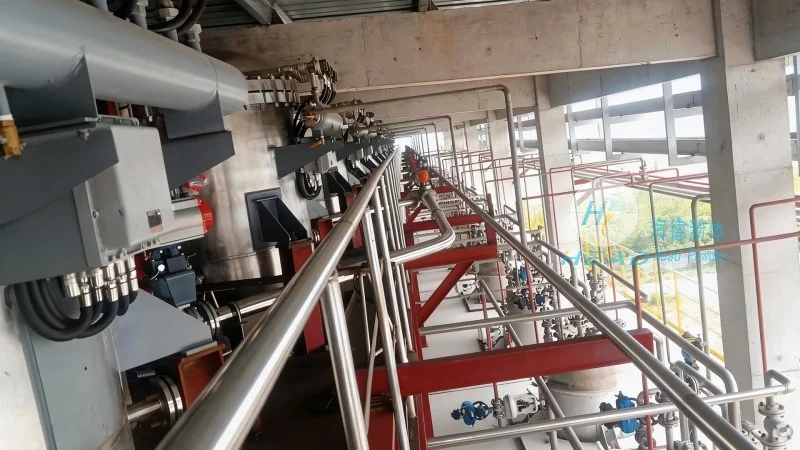
Introduction to Fly Ash Particle Material Pneumatic Conveying Machines
Fly ash, a fine powder generated during the combustion of coal in power plants, poses unique handling challenges due to its particle size, density, and tendency to create dust. Pneumatic conveying machines offer a solution by using compressed air or other gases to move these particles through a closed pipeline system. This method eliminates the need for mechanical components like belts or buckets, reducing wear and tear while maintaining high throughput rates. The core of a pneumatic conveying system is its ability to create a fluidized bed of particles, where the gas flow suspends the material, allowing it to be transported with minimal resistance.
Company Overview: Shandong HeadPowder Engineering Co., Ltd.
Shandong HeadPowder Engineering Co., Ltd., commonly known as HeadPowder, is a leading manufacturer specializing in bulk material handling equipment. With headquarters in Shandong, China, the company has built a reputation for producing high-quality pneumatic conveying systems tailored to the needs of industrial clients. HeadPowder’s expertise lies in customizing equipment to handle diverse materials, including fly ash, by integrating advanced design principles and robust construction. The company’s commitment to innovation and customer satisfaction has made it a trusted partner in the power generation and waste management sectors.
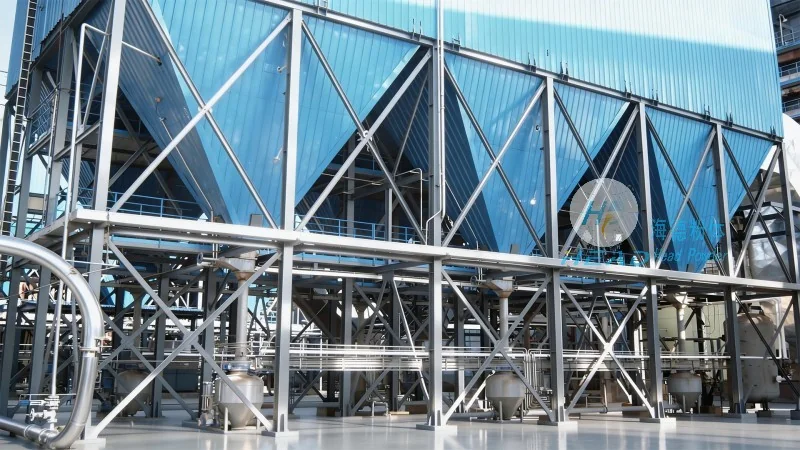
Design Principles of Pneumatic Conveying Systems for Fly Ash
The design of a fly ash pneumatic conveying machine begins with an analysis of the material’s physical properties. Key factors include particle size distribution, moisture content, and bulk density, as these directly impact the system’s air consumption and pressure requirements. The system typically consists of a feeding device, a pipeline network, a gas source (such as a blower or compressor), and a separation unit. The feeding device, often a rotary valve or a star feeder, ensures a consistent flow of fly ash into the pipeline. The pipeline is designed with smooth, non-clogging surfaces to prevent particle buildup, while the gas source provides the necessary pressure to move the material. The separation unit, such as a cyclone or filter, collects the fly ash at the end of the line, separating it from the air stream and returning it to the process or storage.
Key Components and Their Functions
Several critical components work in tandem to ensure the efficient operation of a pneumatic conveying machine for fly ash. The feeding device is responsible for introducing the material into the system, maintaining a steady flow rate. Common types include rotary valves, which use a rotating disc to control the amount of material released, and star feeders, which use a rotating star-shaped impeller to meter the material. The pipeline is the main conduit for transporting the fly ash, constructed from materials like stainless steel or plastic to resist corrosion and abrasion. The gas source, such as a positive displacement blower or a centrifugal compressor, generates the pressure needed to move the particles. The separation unit, often a cyclone separator, uses centrifugal force to separate the fly ash from the air, ensuring that the material is collected efficiently and the air is discharged clean. Additionally, a filter system may be included to capture any fine particles that escape the cyclone, preventing environmental contamination.
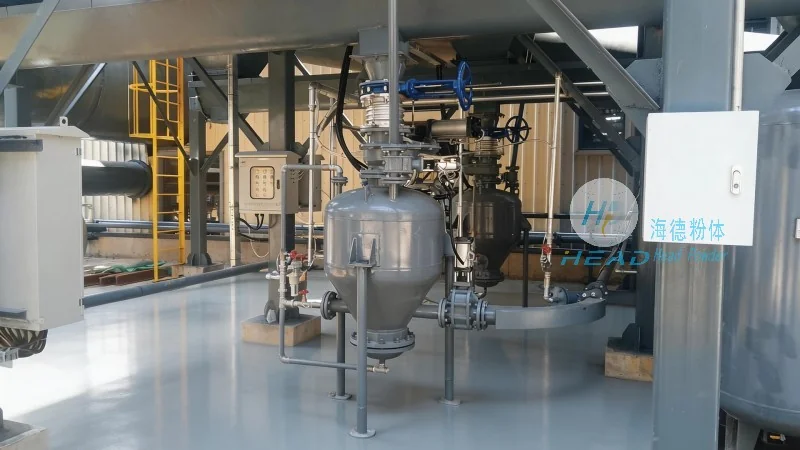
Advantages of Using Pneumatic Conveying for Fly Ash Handling
Pneumatic conveying offers several advantages over traditional handling methods for fly ash. First, it provides a dust-free operation, as the material is contained within a closed system, reducing the risk of airborne particles and improving workplace safety. Second, the system is highly efficient, with minimal energy loss compared to mechanical conveyors. This efficiency translates to lower operational costs and reduced environmental impact. Third, the technology is flexible, allowing for changes in material flow rates or distances without major modifications to the system. Finally, pneumatic conveying systems are relatively compact, requiring less floor space than traditional bulk handling equipment, making them suitable for both new and retrofit installations.
Application Scenarios and Operational Considerations
Fly ash pneumatic conveying machines are widely used in power plants, cement factories, and waste management facilities. In power plants, they are used to transport fly ash from the boiler to storage silos or to other processing units. In cement factories, they help move fly ash as a raw material for cement production, improving the quality and consistency of the final product. Operational considerations include maintaining proper air pressure and flow rates to prevent clogging or underflow. Regular maintenance, such as cleaning the cyclone separator and checking the condition of the pipeline, is essential to ensure long-term reliability. Additionally, the system must be designed to handle variations in fly ash properties, such as changes in moisture content or particle size, which may occur due to seasonal or operational factors.