

What is an Arsenic Trioxide Material Pneumatic Conveyor? Exploring Its Design Principles
Understanding the technology behind arsenic trioxide material pneumatic conveyors is crucial for industries dealing with this specific chemical. This article delves into the fundamental aspects of such equipment, focusing on its design principles and practical applications. By exploring the key components and operational mechanisms, we aim to provide a comprehensive overview for professionals seeking to enhance their material handling processes.
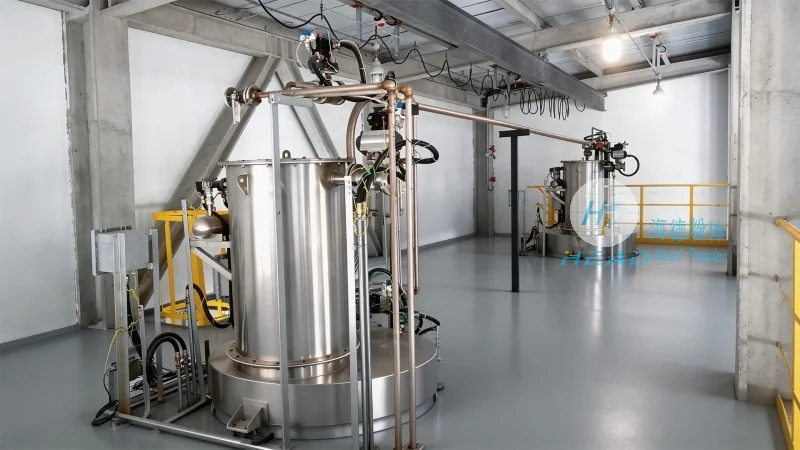
Introduction to Arsenic Trioxide Material Pneumatic Conveyors
Arsenic trioxide (As₂O₃), also known as white arsenic, is a toxic compound widely used in various industrial applications, including the production of pesticides, herbicides, and certain pharmaceuticals. Handling this hazardous material requires specialized equipment designed to ensure safety, efficiency, and compliance with regulatory standards. A pneumatic conveyor system is an ideal solution for transporting arsenic trioxide, as it minimizes direct human contact, reduces the risk of dust exposure, and maintains a controlled environment. The design of such conveyors is tailored to address the unique properties of arsenic trioxide, including its fine particle size, chemical reactivity, and potential for inhalation hazards.
Key Components of an Arsenic Trioxide Pneumatic Conveyor System
The core components of an arsenic trioxide material pneumatic conveyor typically include a hopper for material storage, a feeder mechanism to control the flow rate, a pipeline system for transporting the material, a blower or compressor to generate the necessary air pressure, and a collection or discharge unit. Each component plays a critical role in ensuring the system operates safely and efficiently. The hopper is designed with smooth, non-porous surfaces to prevent material buildup and contamination. The feeder, often a rotary valve or screw feeder, regulates the amount of arsenic trioxide released into the pipeline, preventing overloading and maintaining consistent flow. The pipeline is usually made of corrosion-resistant materials, such as stainless steel or PTFE-coated tubing, to withstand the chemical properties of arsenic trioxide and prevent degradation over time. The blower or compressor provides the motive force, creating a pressure differential that propels the material through the system. Finally, the collection or discharge unit ensures the material is safely deposited at the destination, often equipped with dust collection and filtration systems to meet environmental regulations.
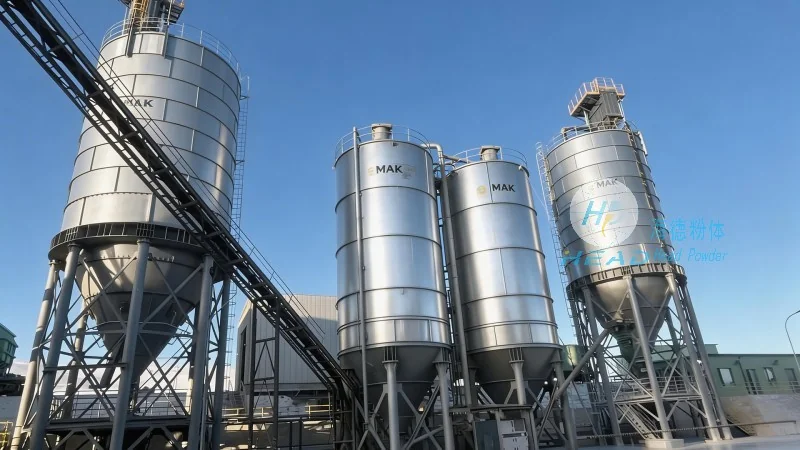
Design Principles for Safe and Efficient Operation
The design principles of an arsenic trioxide pneumatic conveyor prioritize safety, reliability, and compliance with industry standards. One of the primary considerations is the prevention of dust explosions, which can occur due to the fine particle size and flammability of arsenic trioxide under certain conditions. Therefore, the system incorporates explosion-proof components, such as spark-proof blowers and flame arrestors, to mitigate these risks. Additionally, the conveyor is designed with sealed and airtight connections to prevent the escape of dust and fumes, reducing the risk of inhalation exposure for operators. The control system is equipped with safety interlocks and emergency shut-off mechanisms to stop the conveyor in case of malfunctions or overpressure situations. This ensures that any potential hazards are addressed promptly and effectively. Furthermore, the design takes into account the material's reactivity with air and moisture, incorporating drying and moisture control measures to prevent degradation or chemical reactions during transport.
Operational Considerations and Maintenance
Operating an arsenic trioxide material pneumatic conveyor requires careful attention to operational parameters and regular maintenance to ensure optimal performance and safety. The system must be operated within the specified air pressure and flow rate ranges to prevent material blockages or system damage. Regular monitoring of the blower performance, pipeline pressure, and material flow rate is essential to detect any deviations from normal operation. Maintenance activities include cleaning the hopper and feeder to prevent material buildup, inspecting the pipeline for signs of corrosion or wear, and replacing worn components such as seals and filters. The filtration system must be regularly checked and replaced to maintain air quality and prevent dust accumulation in the system. Additionally, the conveyor should be inspected for any signs of leaks or damage, particularly in areas where the material may come into contact with the equipment. Proper training for operators on the safe operation and maintenance of the system is also crucial to minimize risks and ensure compliance with safety regulations.
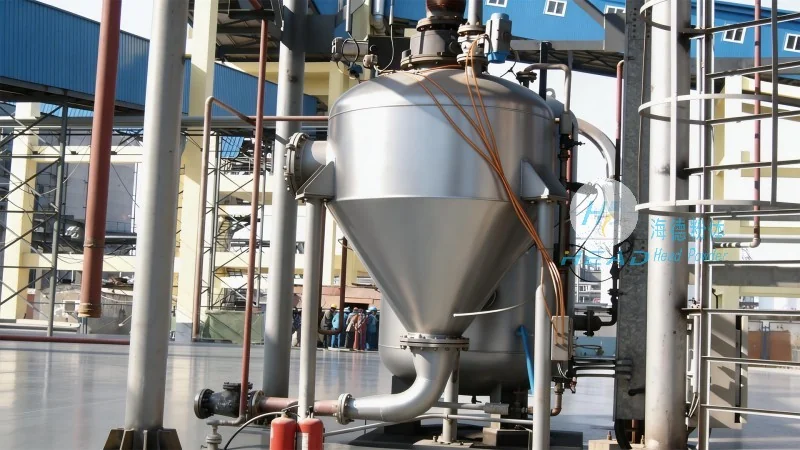
Applications and Benefits in Industrial Settings
Arsenic trioxide material pneumatic conveyors are widely used in various industrial applications where the safe and efficient transport of this hazardous material is critical. In the chemical industry, they are used for transporting arsenic trioxide from storage to processing units, ensuring a continuous and controlled supply. In the pharmaceutical industry, they are employed in the production of arsenic-based drugs, where precision and safety are paramount. The benefits of using such conveyors include reduced labor costs due to automated material handling, minimized exposure to hazardous materials for workers, and improved process efficiency through consistent material flow. Additionally, the system's ability to handle fine particles and maintain a controlled environment makes it suitable for applications where dust control and product purity are essential. By integrating these conveyors into their operations, industries can enhance safety, improve productivity, and comply with regulatory requirements.
Conclusion
In conclusion, an arsenic trioxide material pneumatic conveyor is a specialized piece of equipment designed to safely and efficiently transport this hazardous chemical. Its design incorporates key components and principles aimed at ensuring safety, reliability, and compliance with industry standards. By understanding the operational considerations and maintenance requirements, industries can effectively utilize these systems to enhance their material handling processes. As technology advances, further improvements in the design and functionality of such conveyors are expected, leading to even safer and more efficient operations in the future. The expertise of companies like Shandong HeadPowder Engineering Co., Ltd., with their focus on engineering solutions for hazardous materials, plays a vital role in advancing the use of such equipment in various industrial applications.