

Working Principle and Features of Metering and Mixing System Equipment
Metering and mixing system equipment is a critical component in various industrial processes, particularly in sectors that require precise control of material proportions. These systems are designed to ensure accurate measurement and blending of different raw materials, which is essential for maintaining product quality and consistency. The working principle and features of such equipment are fundamental to understanding its application and benefits in industrial settings.
Working Principle of Metering and Mixing Systems
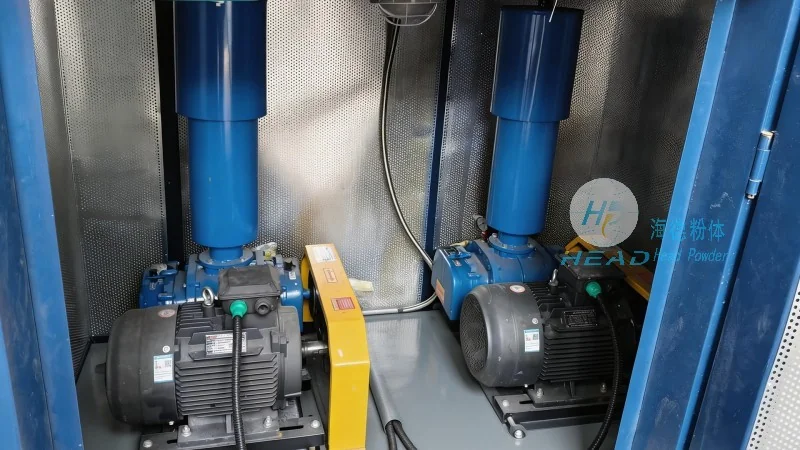
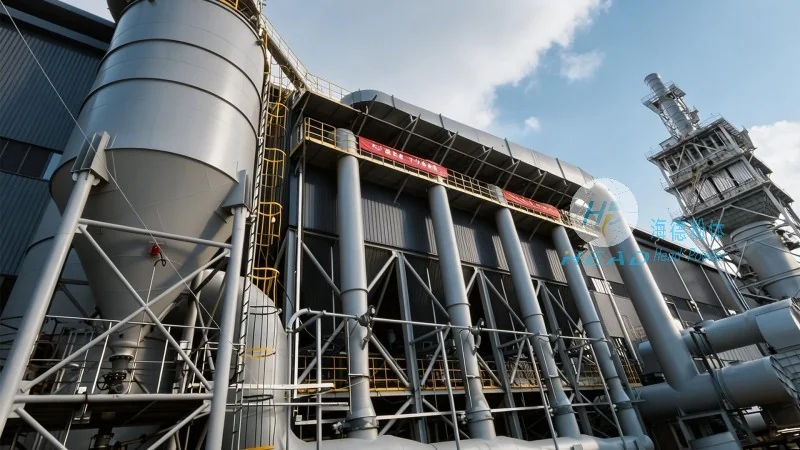
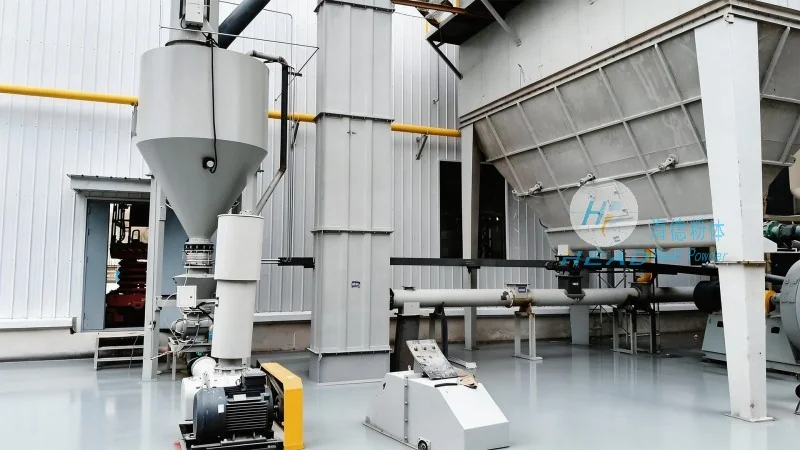
The core working principle of metering and mixing systems revolves around the precise control of material flow rates and the uniform blending of components. Typically, these systems consist of several key components, including feeders, meters, mixers, and control units. The process begins with the feeding of raw materials into the system, where each material is fed by a dedicated feeder. The feeders are calibrated to deliver the exact required flow rate, which is then measured by the metering devices. The metering data is then processed by the control unit, which adjusts the feeder speeds to maintain the desired ratio of materials. The mixed materials are then discharged for further processing or packaging. This closed-loop control system ensures high accuracy and repeatability in the mixing process. A typical workflow involves raw materials being fed from hoppers into individual feeders, each equipped with a gravimetric or volumetric mechanism. The feeders measure the material flow rate in real-time, with data transmitted to a control unit that compares it against the setpoint. Any deviation triggers an adjustment in feeder speed to correct the ratio. The materials then enter a mixer, where rotating paddles or screws create a turbulent flow, ensuring thorough and uniform blending. The mixed product is discharged and prepared for downstream processes. This closed-loop system maintains tight control over material proportions, even under varying operating conditions.
Key Features of Metering and Mixing System Equipment
Metering and mixing system equipment is characterized by several key features that make it suitable for demanding industrial applications. First, the high accuracy of material measurement is a primary feature. These systems can achieve measurement precision within a very narrow range, often with an error margin of less than 0.5%, which is crucial for applications where material ratios must be strictly controlled. For example, in pharmaceutical manufacturing, precise dosing of active ingredients is essential for product efficacy and safety. Second, the uniformity of mixing is another critical feature. Advanced mixing mechanisms, such as paddle mixers or screw mixers, ensure that the materials are thoroughly and evenly blended, preventing segregation and ensuring consistent product properties. This is particularly important in food processing, where uniform texture and flavor are key to consumer acceptance. Third, the system's flexibility is a notable feature. Many modern metering and mixing systems are equipped with programmable logic controllers (PLCs) and can be easily adjusted to handle different material combinations or production requirements. This adaptability makes them suitable for a wide range of industries, from chemical manufacturing to construction material production. Fourth, the durability and reliability of the equipment are important features. High-quality materials, such as stainless steel for hoppers and mixers, ensure resistance to corrosion and wear, allowing continuous operation under harsh industrial conditions. The robust construction includes overload protection and temperature sensors, which prevent damage and ensure safe operation. Finally, the ease of operation and maintenance is a practical feature. User-friendly interfaces and modular design allow operators to easily monitor and control the system, while the modular components facilitate quick replacement of parts, reducing maintenance time and costs. This makes the equipment accessible to both technical and non-technical users, enhancing overall efficiency.