

What is a PTFE (Polytetrafluoroethylene) Material Pneumatic Conveying System? And What Are Its Desig
Welcome to the world of advanced material handling solutions, where precision and efficiency are paramount. In industries dealing with specialized materials like polytetrafluoroethylene (PTFE), the choice of conveying equipment can significantly impact operational performance and product integrity. This article delves into the concept of PTFE material pneumatic conveying systems, exploring their functionality and the underlying design principles that make them effective solutions for handling PTFE and similar materials.
Understanding PTFE Material Pneumatic Conveying Systems
Polytetrafluoroethylene, commonly known as PTFE, is a fluoropolymer renowned for its exceptional chemical resistance, thermal stability, and low friction properties. These characteristics make PTFE an ideal material for applications in aerospace, electronics, chemical processing, and other high-tech sectors. However, handling PTFE powder or granules requires specialized equipment due to its light weight, fine particle size, and tendency to generate static electricity. Pneumatic conveying systems offer a non-contact, low-maintenance method to transport PTFE materials from one location to another, preserving their quality and preventing contamination.
The Core Components of PTFE Pneumatic Conveying Systems
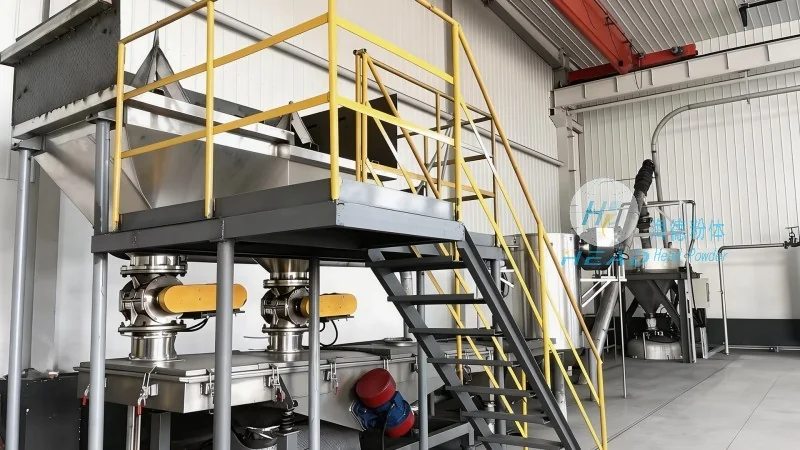
At the heart of any PTFE material pneumatic conveying system are several key components that work in tandem to ensure efficient material transport. These components include the hopper or feed inlet, where the PTFE material is introduced; the air supply system, which generates the necessary airflow to move the material; the conveying line, typically made of corrosion-resistant materials like stainless steel or PTFE-coated tubing to prevent material buildup and ensure smooth flow; and the discharge outlet, where the material is deposited at the destination. Each component is designed to handle the unique properties of PTFE, such as its low bulk density and static charge, to maintain system efficiency and material integrity.
Design Principles for PTFE Pneumatic Conveying Systems
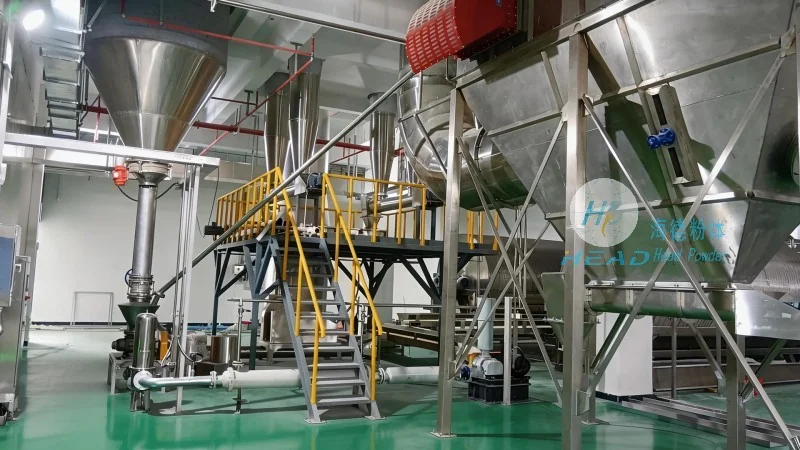
The design of PTFE material pneumatic conveying systems is guided by several critical principles aimed at optimizing performance and reliability. One of the primary principles is the selection of appropriate air velocity and pressure. The airflow must be sufficient to lift and transport the PTFE particles without causing excessive wear or degradation of the material. This often involves calculating the minimum velocity required to overcome the gravitational force acting on the particles and the frictional forces within the conveying line. Additionally, the system design considers the material's static charge, as PTFE is prone to generating static electricity, which can lead to particle agglomeration or equipment damage. Therefore, anti-static measures, such as grounding or ionizing bars, are incorporated into the design to mitigate these issues.
Advantages of Using PTFE Pneumatic Conveying Systems
Implementing PTFE material pneumatic conveying systems offers numerous advantages for industrial applications. First, the non-contact nature of the system prevents contamination from external sources, ensuring that the PTFE material remains pure and free from additives or residues. This is particularly important in industries where product purity is critical, such as pharmaceuticals or food processing. Second, the system provides a dust-free and clean environment, reducing the risk of inhalation of fine PTFE particles and improving workplace safety. Third, PTFE pneumatic conveying systems are highly flexible, allowing for easy integration into existing production lines and the ability to transport materials over long distances with minimal maintenance. These benefits make PTFE pneumatic conveying systems a preferred choice for handling PTFE and other sensitive materials.
Applications and Industries Served
PTFE material pneumatic conveying systems are widely used across various industries that rely on PTFE materials. In the aerospace industry, PTFE is used for manufacturing gaskets, seals, and bearings, and the conveying systems ensure that these components are handled without damage. In electronics, PTFE is used in capacitors and insulators, and the systems maintain the purity of the material during processing. The chemical processing industry also utilizes PTFE for corrosion-resistant equipment, and the conveying systems facilitate the transport of PTFE powders and granules to production lines. Additionally, in the manufacturing of PTFE-based products like coatings and films, these systems play a crucial role in material handling, ensuring consistent quality and efficiency.
Customization and Integration with HeadPowder Engineering
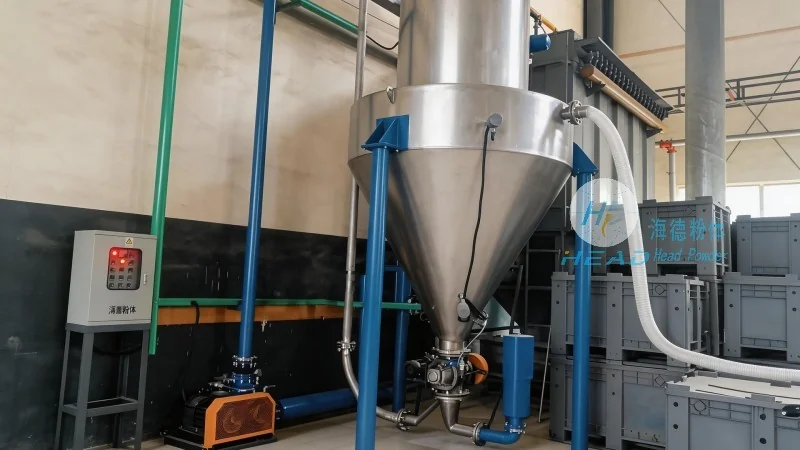
Shandong HeadPowder Engineering Co., Ltd., a leading provider of material handling solutions, specializes in designing and manufacturing PTFE material pneumatic conveying systems tailored to the specific needs of clients. With a focus on innovation and quality, HeadPowder offers customized solutions that integrate the latest design principles and components to meet the unique requirements of each application. The company's expertise in PTFE material handling ensures that their systems are efficient, reliable, and compliant with industry standards. By partnering with HeadPowder, industries can enhance their material handling processes, improve productivity, and maintain the integrity of their PTFE materials throughout the production cycle.
Conclusion
In conclusion, PTFE material pneumatic conveying systems represent a sophisticated and effective solution for handling specialized materials like PTFE. The design principles and components of these systems are carefully engineered to address the unique challenges associated with PTFE, such as its low density, static charge, and chemical properties. By leveraging the expertise of companies like Shandong HeadPowder Engineering Co., Ltd., industries can implement efficient and reliable PTFE conveying systems that enhance operational performance and product quality. As the demand for PTFE materials continues to grow in various sectors, the importance of advanced material handling solutions like PTFE pneumatic conveying systems will only increase, making them a critical component of modern industrial operations.