

Working Principle and Features of a Gypsum (Calcium Sulfate) Pneumatic Conveying System
HeadPowder, a leading engineering firm based in Shandong, China, specializes in the design, manufacturing, and installation of advanced material handling systems. Among their portfolio is the gypsum (calcium sulfate) pneumatic conveying system, a critical solution for efficiently transporting bulk materials in industrial applications. This article delves into the working principle and key features of such a system, highlighting how it addresses the unique challenges of gypsum handling.
Working Principle of a Gypsum Pneumatic Conveying System
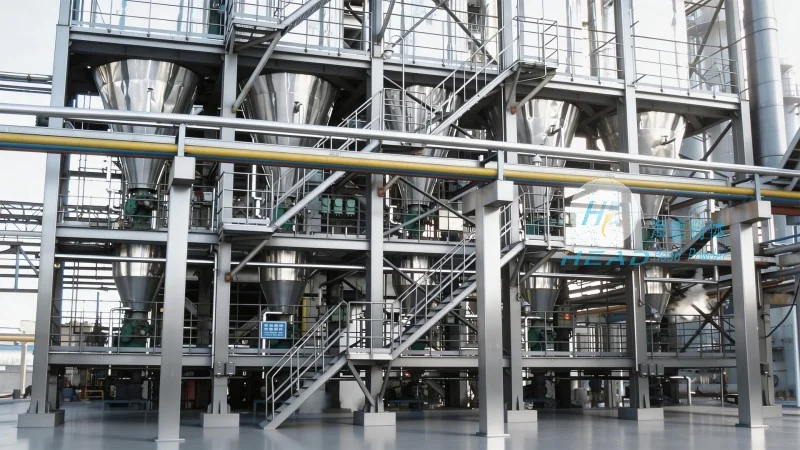
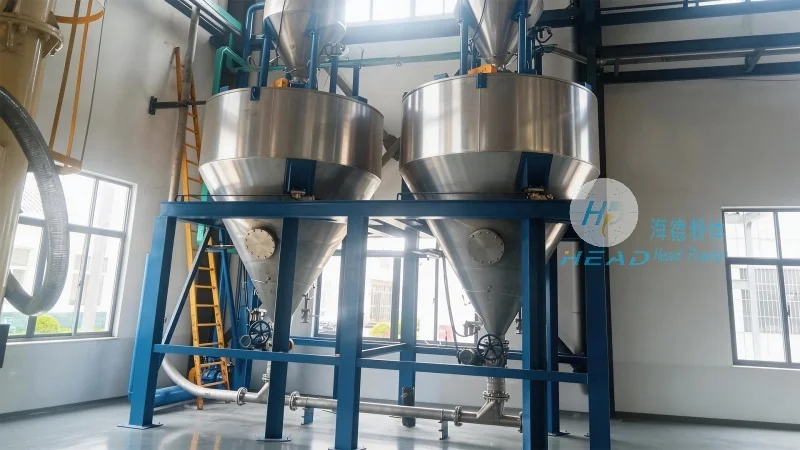
The gypsum pneumatic conveying system operates on the principle of using compressed air to transport bulk materials through a pipeline network. At its core, the system consists of several key components, including a material hopper, a rotary airlock feeder, a conveying pipeline, and a receiver or discharge unit. The process begins when gypsum is fed into the hopper from a storage silo or batch mixer. The rotary airlock feeder then regulates the flow of material into the pipeline, ensuring a consistent and controlled discharge rate. Compressed air, typically supplied by an air compressor, is introduced into the pipeline at a specific pressure and flow rate. This air creates a low-pressure zone that draws the gypsum particles into the pipeline, forming a dense, fluidized stream known as a "slurry" or "pneumatic flow." The air and material mixture travels through the pipeline to the receiver, where the air is separated from the gypsum and discharged through a filter or cyclone. The purified air is then returned to the system or vented to the atmosphere, while the gypsum is collected in the receiver for further processing or storage.
Key Features of a Gypsum Pneumatic Conveying System
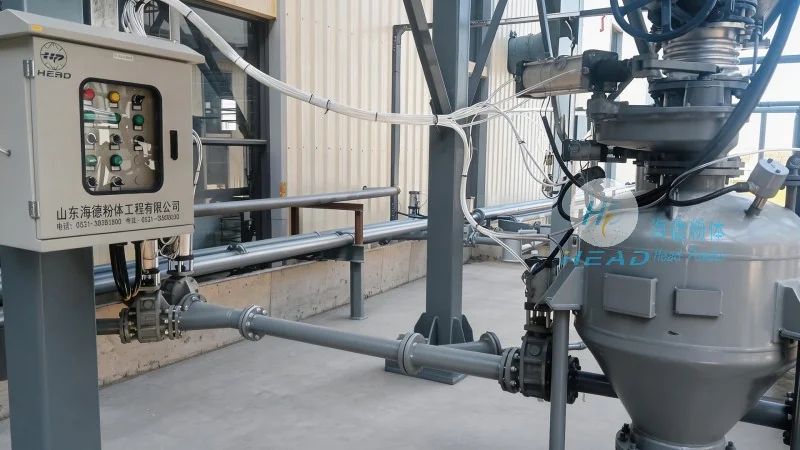
HeadPowder's gypsum pneumatic conveying systems are engineered with several distinct features that enhance performance, reliability, and efficiency. One of the primary features is the use of a rotary airlock feeder, which prevents backflow and maintains a consistent material flow rate, even under varying pressure conditions. This component is critical for maintaining system stability and preventing material buildup or blockages. Another notable feature is the system's ability to handle fine, powdery gypsum without clogging the pipeline. The design incorporates appropriate pipeline diameters and air velocities to ensure that the material remains suspended and transported smoothly, minimizing the risk of particle deposition. Additionally, the system is equipped with pressure relief valves and safety interlocks to protect against overpressure and ensure safe operation. The receiver or discharge unit is designed to efficiently separate the air from the gypsum, often using a cyclone separator or bag filter, which helps maintain air quality and prevent dust emissions. The system also includes monitoring and control systems, such as pressure gauges and flow meters, to allow operators to adjust parameters in real-time and optimize performance. These features collectively contribute to a reliable and efficient gypsum handling solution that meets the demands of modern industrial processes.
Benefits of Implementing a Gypsum Pneumatic Conveying System
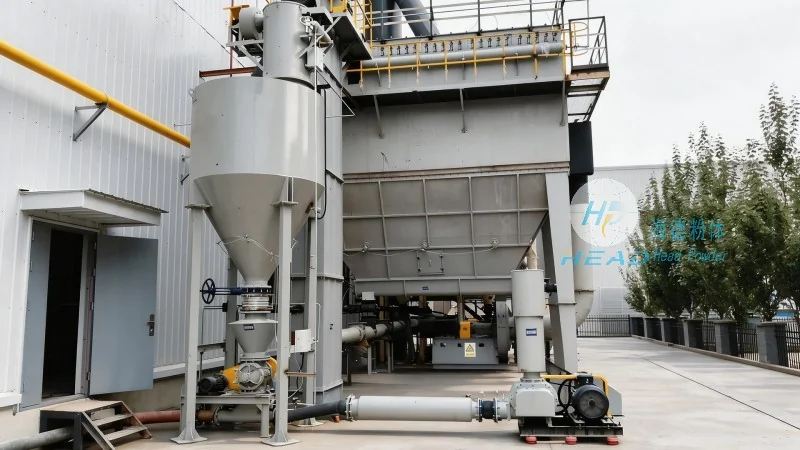
Adopting a gypsum pneumatic conveying system offers numerous benefits for industrial operations. The most significant advantage is the reduction in labor costs associated with manual handling of bulk materials. By automating the transport process, companies can minimize the need for manual loading and unloading, which not only improves safety but also increases overall productivity. Another key benefit is the elimination of material spillage and dust contamination, which is particularly important for gypsum, as it can be a respiratory irritant. The enclosed system design ensures that dust is contained and filtered, reducing environmental impact and improving workplace safety. Furthermore, the system's ability to handle long-distance and high-volume transport makes it ideal for large-scale gypsum processing facilities. The consistent flow and controlled discharge rates also contribute to improved process control, allowing for more precise batching and mixing in downstream operations. Overall, the gypsum pneumatic conveying system provides a cost-effective and efficient solution for managing gypsum in industrial settings, helping companies to enhance operational efficiency and maintain compliance with safety and environmental regulations.