

Working Principle and Features of Barite Pneumatic Conveying Systems
Barite, a mineral widely used in various industrial applications, often requires efficient and reliable material handling solutions. Pneumatic conveying systems have emerged as a preferred method for transporting barite due to their ability to handle fine powders and provide a closed-loop operation, minimizing dust and contamination. This article explores the working principle and key features of barite pneumatic conveying systems, highlighting the technology's benefits and practical applications.
Working Principle of Barite Pneumatic Conveying Systems
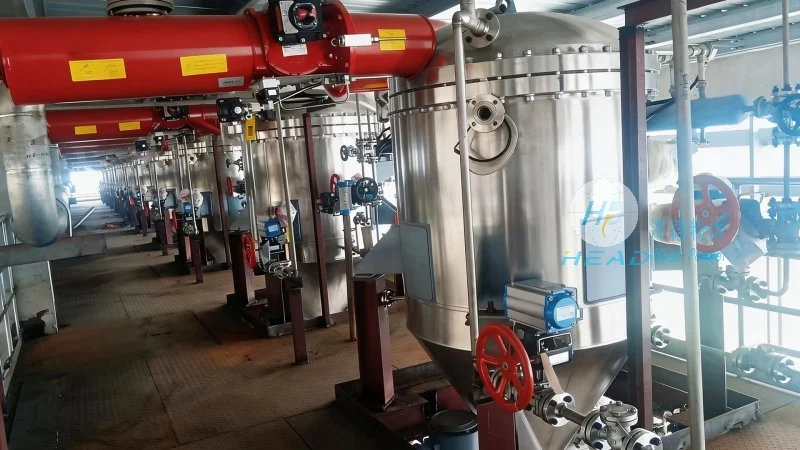
The core mechanism of a barite pneumatic conveying system involves the use of compressed air to transport the material through a pipeline. The process typically begins with the barite being fed into a hopper or silo, where it is then drawn into the conveying line by the pressure differential created by the air flow. As the air and barite mixture travels through the pipeline, it moves to the discharge point, where the material is separated from the air using a separator or cyclone. The separated air is then returned to the system or released, while the barite is collected in the receiving container. This closed-loop system ensures minimal material loss and consistent flow rates, making it ideal for handling barite in industrial settings.
Key Features of Barite Pneumatic Conveying Systems
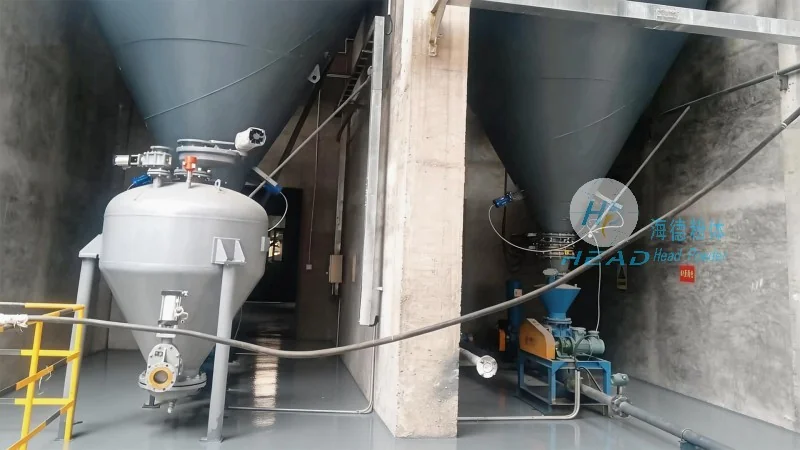
Several key features distinguish barite pneumatic conveying systems from other material handling methods. Firstly, the closed-loop design significantly reduces dust emissions, which is crucial for maintaining a safe and clean working environment. This is particularly important in industries where barite is used in pharmaceuticals, cosmetics, or food processing, where product purity is paramount. Secondly, the system offers high efficiency in terms of material transport, with the ability to handle large volumes of barite over long distances with minimal energy consumption. The use of compressed air allows for precise control over the flow rate, ensuring consistent delivery to the processing equipment. Additionally, the system is relatively compact and can be easily integrated into existing industrial setups, reducing installation time and costs. Another notable feature is the ability to handle fine barite particles without clogging the pipeline, as the air flow maintains the material in suspension. This makes the system suitable for both dry and wet barite applications, depending on the specific requirements of the process.
Benefits and Applications in Industrial Settings
The implementation of barite pneumatic conveying systems brings numerous benefits to industrial operations. For companies dealing with barite, such as Shandong HeadPowder Engineering Co., Ltd., these systems enhance productivity by streamlining the material handling process. The consistent and reliable transport of barite reduces downtime and improves overall operational efficiency. Moreover, the reduced dust levels contribute to a safer workplace, aligning with occupational health and safety regulations. In industries like oil and gas, where barite is used as a weighting agent in drilling fluids, the pneumatic conveying system ensures that the material is delivered to the drilling site without contamination, maintaining the quality of the drilling fluid. Similarly, in the manufacturing of paints and coatings, the system provides a clean and efficient way to transport barite, ensuring that the final products meet the required standards. The versatility of the system also allows it to be adapted for various barite grades and particle sizes, making it a flexible solution for different industrial needs.
Conclusion
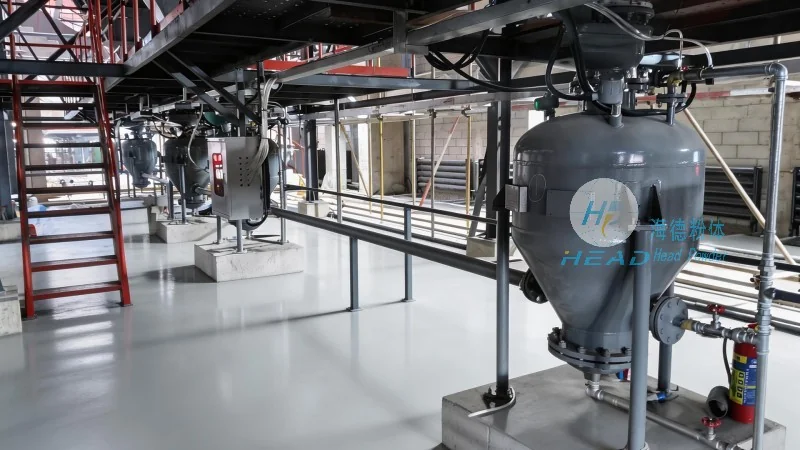
In conclusion, barite pneumatic conveying systems represent a sophisticated and efficient solution for handling barite in industrial applications. The working principle, which relies on compressed air to transport the material through a closed-loop pipeline, offers numerous advantages, including reduced dust emissions, high efficiency, and easy integration into existing systems. The key features of these systems, such as precise flow control and the ability to handle fine particles, make them suitable for a wide range of applications. For companies like Shandong HeadPowder Engineering Co., Ltd., based in China, these systems are essential for optimizing their barite handling processes and meeting the demands of modern industrial operations. As the demand for efficient material handling solutions continues to grow, barite pneumatic conveying systems remain a reliable choice for industries relying on barite as a critical component.