

Working Principle and Features of a Seasoning Pneumatic Conveying System
Seasoning pneumatic conveying systems are sophisticated industrial solutions designed to efficiently transport dry seasonings and similar powders. These systems utilize air or gas as the primary medium to move bulk materials from one location to another, offering a clean, dust-free, and flexible method of material handling. The technology is widely adopted in the food processing industry, where maintaining product integrity and hygiene is paramount.
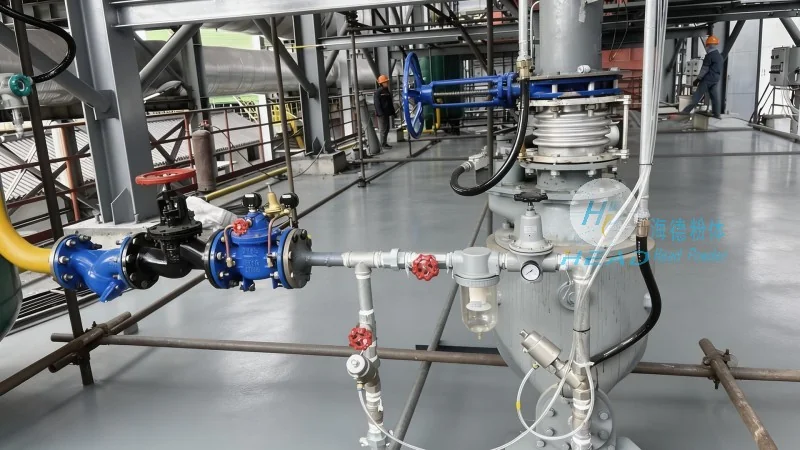
Working Principle of Seasoning Pneumatic Conveying Systems
The core operation of a seasoning pneumatic conveying system involves the creation of a pressure differential or vacuum to move material through a pipeline. The system typically consists of a hopper, a feeder, a conveying line, and a receiver. Material is first fed from the hopper into the feeder, which then introduces the powder into the conveying line. Air is then introduced, either by a blower or a vacuum pump, to create the necessary flow. The air and material mixture travels through the pipeline to the receiver, where the material is separated from the air and collected. The system can operate in either pressure or vacuum mode, depending on the application and system design.
Key Features and Advantages of Seasoning Pneumatic Conveying Systems
Seasoning pneumatic conveying systems offer several distinct advantages that make them ideal for handling sensitive dry ingredients. Firstly, they provide a dust-free and hygienic environment, which is crucial for food products to meet regulatory standards. The enclosed system prevents contamination from external sources and minimizes product loss. Secondly, these systems are highly flexible and can be easily integrated into existing production lines. They can handle a wide range of particle sizes and flow rates, making them suitable for various seasoning types. Additionally, the systems are energy-efficient compared to traditional mechanical conveying methods, reducing operational costs. The ability to transport materials over long distances without the need for multiple transfer points also enhances process efficiency. Furthermore, the systems are easy to clean and maintain, which is essential for maintaining food safety standards. The enclosed design also helps in controlling odors and preventing cross-contamination between different product batches.
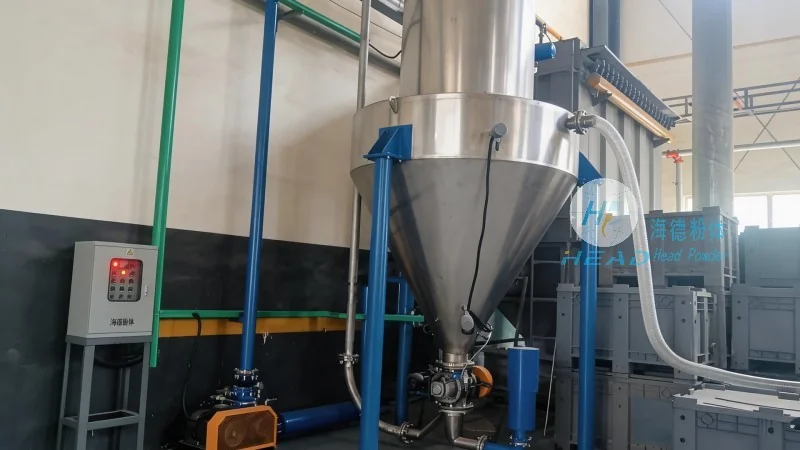
Application-Specific Design Considerations
The design of a seasoning pneumatic conveying system is tailored to the specific characteristics of the seasoning being handled. For example, systems handling fine powders may require higher air velocities to prevent clogging, while systems for larger granules may use lower velocities to maintain efficiency. The choice between pressure and vacuum operation depends on the distance and elevation changes in the conveying path. Pressure systems are generally used for short to medium distances, while vacuum systems are more suitable for longer distances or when the material needs to be drawn from a lower elevation. The material's moisture content and flowability also influence the system design, as some powders may require additives or conditioning to improve their conveying characteristics. The system's components, such as the hopper and feeder, are often made of stainless steel to ensure durability and ease of cleaning, which is critical in food processing environments.
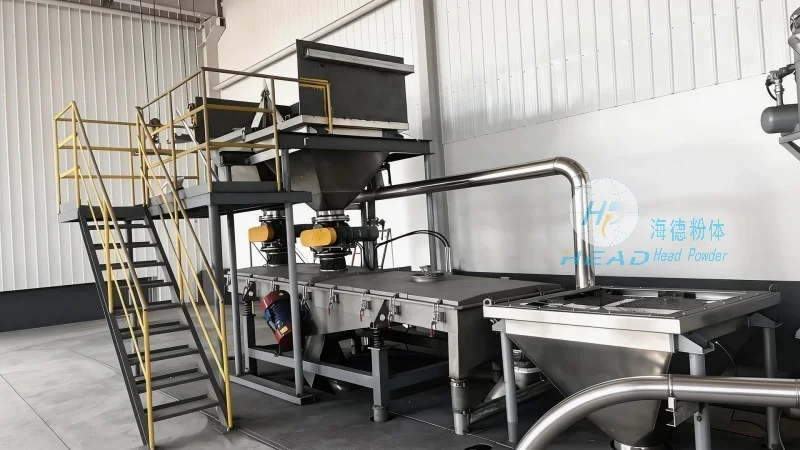
Operational Efficiency and Maintenance
Operational efficiency is a key factor in the performance of seasoning pneumatic conveying systems. Proper air management is essential to maintain consistent material flow and prevent system blockages. Regular maintenance, including cleaning of the hopper, feeder, and pipeline, is necessary to ensure the system operates at optimal levels. The use of filters and cyclones in the system helps to separate the material from the air, preventing dust accumulation and maintaining air quality. The system's control mechanisms, such as variable speed drives and pressure sensors, allow for precise control of the conveying process, ensuring that the material is transported at the desired rate. This control not only improves efficiency but also extends the lifespan of the system components by preventing excessive wear and tear.
Conclusion and Company Overview
Seasoning pneumatic conveying systems represent a reliable and efficient solution for the transportation of dry seasonings and similar powders in the food industry. The systems combine advanced engineering with practical design to meet the stringent requirements of food processing. Shandong HeadPowder Engineering Co., Ltd., a leading manufacturer in this field, specializes in the design, manufacturing, and installation of such systems. With a focus on quality and customer satisfaction, the company provides customized solutions tailored to the specific needs of each client. Based in Shandong, China, HeadPowder leverages its expertise to deliver systems that enhance operational efficiency, maintain product quality, and ensure compliance with industry standards. The company's commitment to innovation and customer service makes it a trusted partner for businesses seeking to optimize their material handling processes.