

Working Principle and Features of Sodium Dithionite Pneumatic Conveying Systems
Sodium dithionite, also known as hydrosulfite, is a widely used chemical in various industrial processes, particularly in the textile, paper, and food industries. The efficient and safe transportation of this chemical is crucial for maintaining production efficiency and ensuring workplace safety. Pneumatic conveying systems have emerged as a reliable solution for handling sodium dithionite, offering a closed-loop, dust-free, and low-maintenance method of material transport. This article explores the working principle and key features of such systems, highlighting their benefits and practical applications.
Working Principle of the System
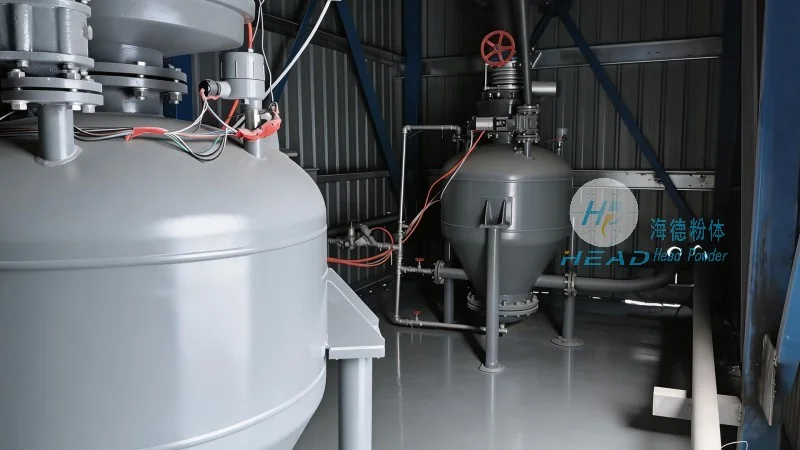
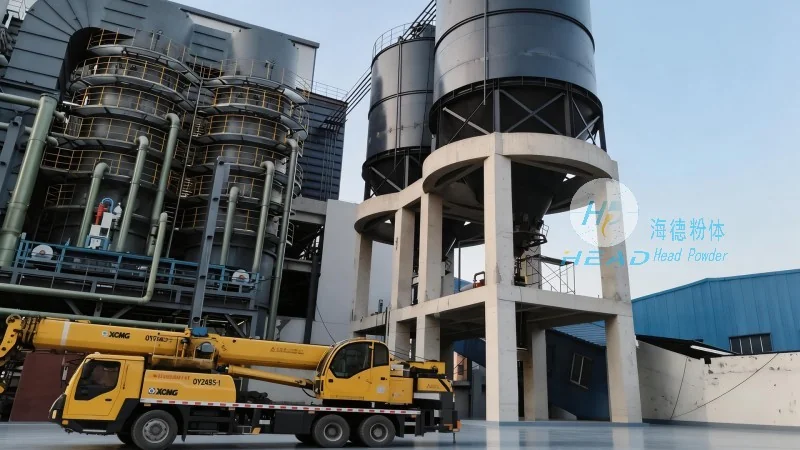
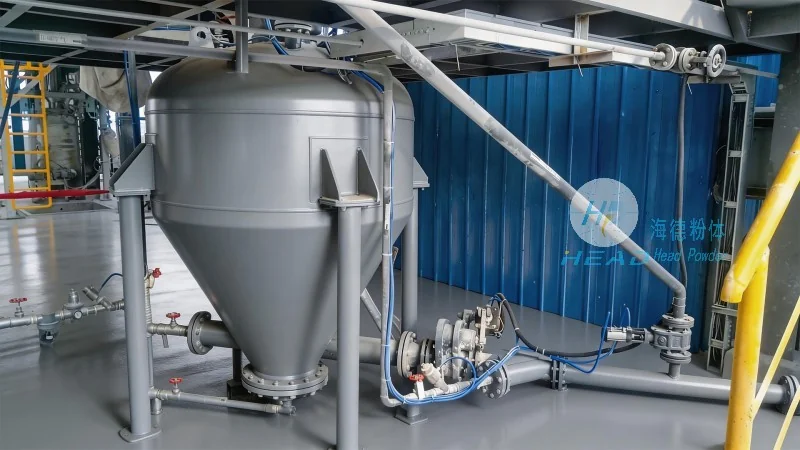
The core of a sodium dithionite pneumatic conveying system lies in its ability to use compressed air to transport the material from the source to the destination. The system typically consists of several components, including a hopper, a rotary valve, a conveying line, and a receiver. The process begins when the sodium dithionite is fed into the hopper. The rotary valve then controls the flow of material into the conveying line, where it is mixed with high-pressure air. As the air and material move through the pipeline, the material is carried forward by the air flow, forming a dense or dilute phase stream depending on the system design. The receiver at the end of the line collects the material, and the air is either filtered and recycled or vented to the atmosphere. This closed-loop operation minimizes dust emissions and ensures a clean working environment.
Key Features and Advantages
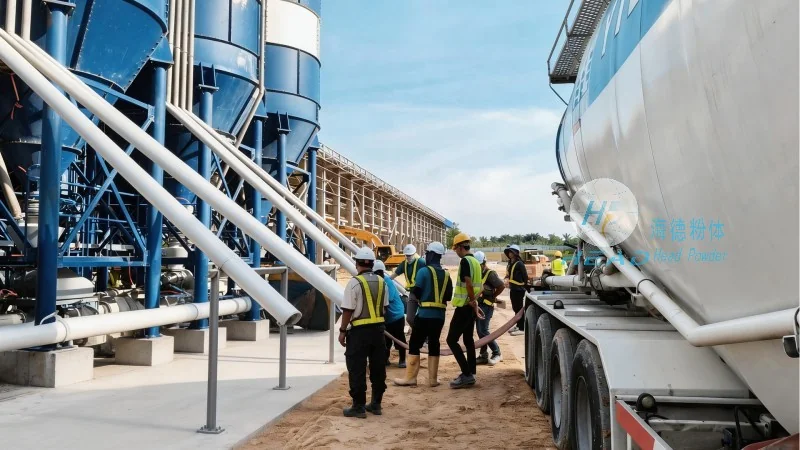
Several key features distinguish sodium dithionite pneumatic conveying systems from traditional methods. Firstly, the system operates in a completely enclosed environment, which significantly reduces the risk of dust inhalation and contamination. This is particularly important for sodium dithionite, which can be harmful if inhaled or come into contact with skin. Secondly, the system offers high efficiency in material transport, with minimal loss of material during the process. The use of compressed air allows for precise control over the flow rate and pressure, ensuring consistent delivery of the chemical to the processing unit. Additionally, the system is relatively low-maintenance, as it has fewer moving parts compared to traditional belt or bucket elevators. The absence of mechanical components that come into direct contact with the material reduces wear and tear, leading to lower operational costs over time. Another advantage is the ability to handle different particle sizes and moisture contents of sodium dithionite, making the system versatile for various industrial applications.
Company Information and Contact
For those seeking reliable solutions for sodium dithionite handling, Shandong HeadPowder Engineering Co., Ltd. is a leading provider of pneumatic conveying systems. Based in China, the company specializes in designing and manufacturing customized solutions tailored to the specific needs of clients. With years of experience in the industry, HeadPowder ensures that their systems are built to meet the highest standards of safety and efficiency. The company's team of experts works closely with clients to understand their requirements and develop systems that optimize material transport while minimizing operational risks. Contact information for Shandong HeadPowder Engineering Co., Ltd. is available for inquiries regarding their products and services.