

Working Principle and Features of Magnesia Powder Pneumatic Conveying Equipment
For industrial applications involving the handling of magnesia powder, efficient and reliable material transport is crucial. This article introduces the working principle and key features of pneumatic conveying equipment designed specifically for magnesia powder, highlighting how such systems enhance operational efficiency and safety in material handling processes.
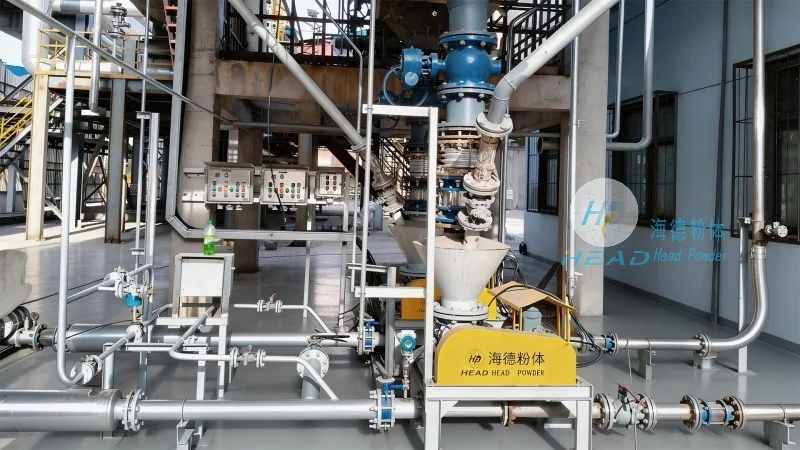
Company Introduction: Shandong HeadPowder Engineering Co., Ltd.
As a leading manufacturer in the field of material handling equipment, Shandong HeadPowder Engineering Co., Ltd. specializes in developing advanced pneumatic conveying solutions tailored to the unique requirements of various industrial sectors. With a strong commitment to quality and innovation, the company has established itself as a trusted partner for businesses seeking efficient and durable equipment for handling powders like magnesia. The company is located in Shandong, China, providing a strategic base for serving clients both domestically and internationally.
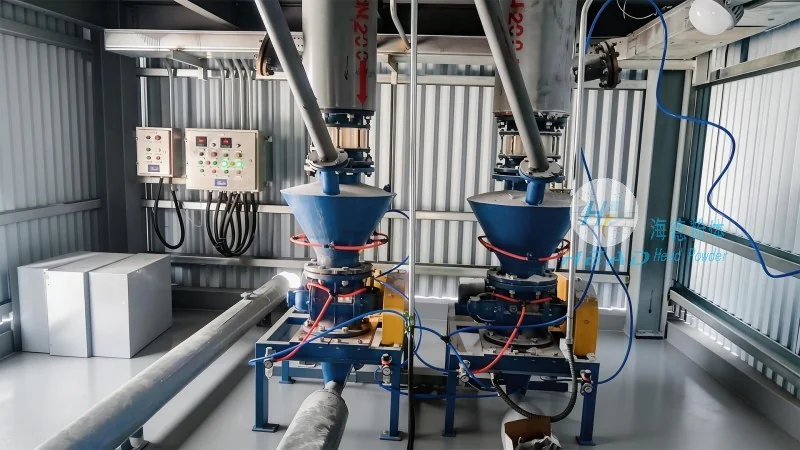
The Working Principle of Magnesia Powder Pneumatic Conveying Equipment
Pneumatic conveying systems for magnesia powder operate on the principle of using air or gas to transport solid particles through a pipeline. The process typically involves several key components and steps. First, the magnesia powder is fed into a hopper or feeder, where it is then introduced into a pipeline. A fan or blower generates the necessary airflow, creating a pressure differential that propels the powder particles forward. The equipment may use either positive pressure (pressure conveying) or negative pressure (vacuum conveying) systems, depending on the specific application and distance of material transport. In pressure conveying, compressed air pushes the powder through the pipeline, while in vacuum conveying, a vacuum is created to draw the powder from the source to the destination. The design of the system, including the type of air nozzle, pipeline layout, and material handling components, is optimized to ensure smooth and consistent flow of magnesia powder, minimizing blockages and ensuring efficient transport.
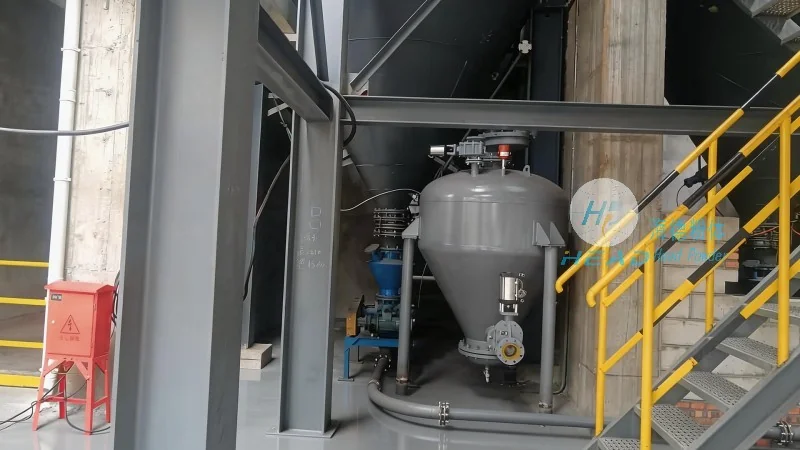
Key Features of Magnesia Powder Pneumatic Conveying Equipment
The pneumatic conveying equipment for magnesia powder from Shandong HeadPowder Engineering Co., Ltd. is characterized by several advanced features that enhance its performance and reliability. One of the primary features is the use of high-efficiency air nozzles and pipelines designed to minimize pressure loss and ensure consistent airflow. This design helps maintain optimal conveying rates and reduces energy consumption. Another key feature is the integration of advanced control systems that allow for precise regulation of air pressure and flow rates, enabling operators to adjust the system according to the specific characteristics of the magnesia powder being handled. The equipment also incorporates robust material handling components, such as hoppers and feeders, that are designed to handle the abrasive nature of magnesia powder without causing wear or degradation. Additionally, the system is equipped with safety features, including pressure relief valves and dust collection systems, to ensure safe operation and compliance with industrial safety standards. The overall design of the equipment is compact and modular, allowing for easy installation and integration into existing production lines, while also providing flexibility for future expansion or modifications.
Advantages of Using Pneumatic Conveying for Magnesia Powder Handling
Implementing pneumatic conveying systems for magnesia powder offers several significant advantages over traditional material handling methods. One of the most notable benefits is the ability to transport the powder in a closed system, which helps prevent dust contamination and exposure to the environment. This not only improves workplace safety but also maintains the quality and purity of the magnesia powder, which is critical for applications in industries such as construction, refractory materials, and chemical manufacturing. Another advantage is the reduction in labor costs and operational time, as pneumatic conveying systems can handle large volumes of powder with minimal manual intervention. The equipment also minimizes material loss and spillage, as the closed pipeline system ensures that the powder is contained throughout the transport process. Furthermore, the use of pneumatic conveying reduces the need for mechanical components like conveyor belts or buckets, which can be prone to wear and maintenance issues. This leads to lower long-term operational costs and increased reliability of the material handling process. The efficiency of the system in terms of energy consumption is also a key advantage, as modern pneumatic conveying equipment is designed to operate with high energy efficiency, reducing the overall operational expenses for the business.
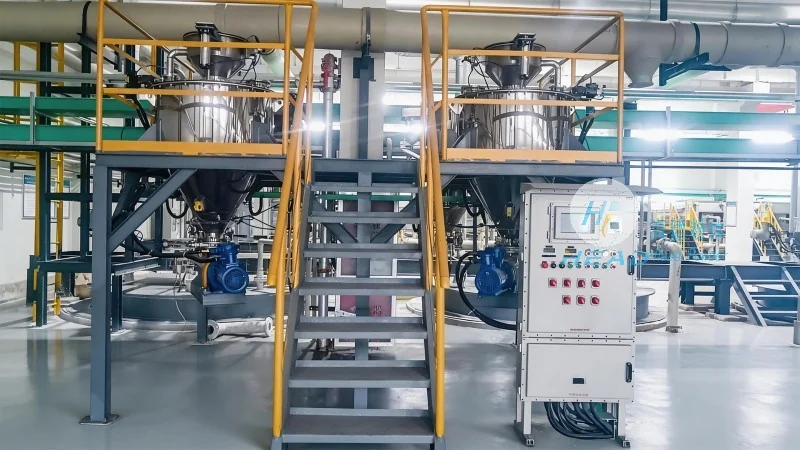
Application Examples and Industry Impact
The pneumatic conveying equipment for magnesia powder is widely used in various industrial applications where the handling of fine powders is essential. In the construction industry, for example, magnesia powder is used in the production of refractory materials, and pneumatic conveying systems ensure that the powder is transported efficiently from storage to production lines without any loss or contamination. In the chemical industry, magnesia powder is used as a raw material in the manufacturing of various products, and the equipment helps maintain the quality of the powder during transport, which is crucial for meeting product specifications. The food and pharmaceutical industries also benefit from the use of pneumatic conveying systems, as they provide a hygienic and dust-free environment for handling magnesia powder, which is essential for maintaining product safety and quality standards. The adoption of such equipment has significantly improved the efficiency and safety of material handling processes in these industries, leading to increased productivity and reduced operational costs.