

Working Principle and Features of Hydrogen Chloride Pneumatic Conveying Equipment
Hydrogen chloride (HCl) is a highly corrosive and toxic gas commonly used in various industrial processes, such as chemical synthesis, pharmaceutical manufacturing, and metal processing. The safe and efficient transportation of HCl gas from production sites to processing units is crucial for industrial operations. Pneumatic conveying systems offer an effective solution for handling HCl gas, providing a closed-loop system that minimizes exposure risks and ensures reliable material transport. This article explores the working principle and key features of hydrogen chloride pneumatic conveying equipment, highlighting how these systems enhance operational safety and efficiency.
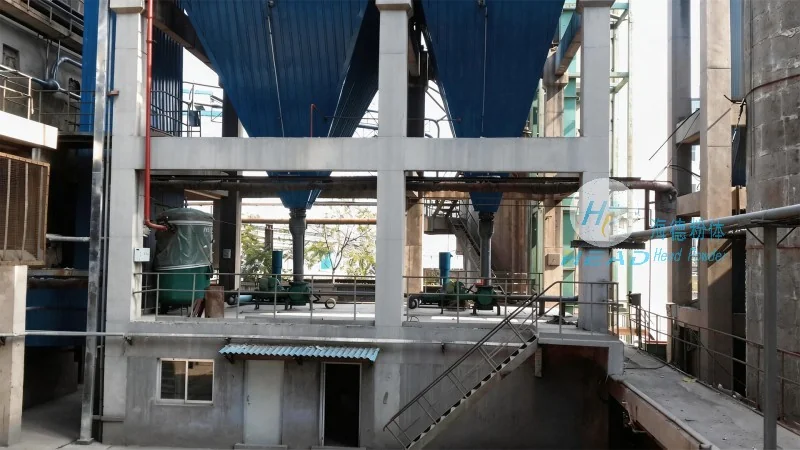
HeadPowder, a leading manufacturer in the field, specializes in designing and manufacturing advanced pneumatic conveying solutions tailored to the unique requirements of HCl gas handling. With a strong commitment to quality and innovation, the company has developed state-of-the-art equipment that meets stringent industrial standards. The following sections delve into the technical aspects of HCl pneumatic conveying, including the fundamental working principle and the distinctive features that set these systems apart from conventional methods.
Working Principle of Hydrogen Chloride Pneumatic Conveying Equipment
The core working principle of HCl pneumatic conveying systems involves the use of compressed air or other gases to transport the gas through a pipeline network. The process typically begins with the generation of a high-pressure air stream, which is then introduced into the conveying line. As the compressed air flows through the system, it creates a low-pressure zone that draws the HCl gas from the source container into the pipeline. The mixture of HCl gas and air is then propelled forward by the pressure differential, moving the gas to the destination point. This method ensures that the HCl gas is transported in a controlled manner, preventing leaks and minimizing environmental impact.
Key components of the HCl pneumatic conveying system include the gas source, the conveying line, and the control valves. The gas source is usually a storage tank or a production reactor, where the HCl gas is generated or stored. The conveying line is made of corrosion-resistant materials, such as stainless steel or special alloys, to withstand the highly corrosive nature of HCl. Control valves, including pressure regulators and flow meters, are integrated into the system to maintain optimal pressure and flow rates, ensuring smooth and consistent operation. The entire system operates in a closed loop, with the compressed air being recycled and reused, reducing energy consumption and operational costs.
Key Features of Hydrogen Chloride Pneumatic Conveying Equipment
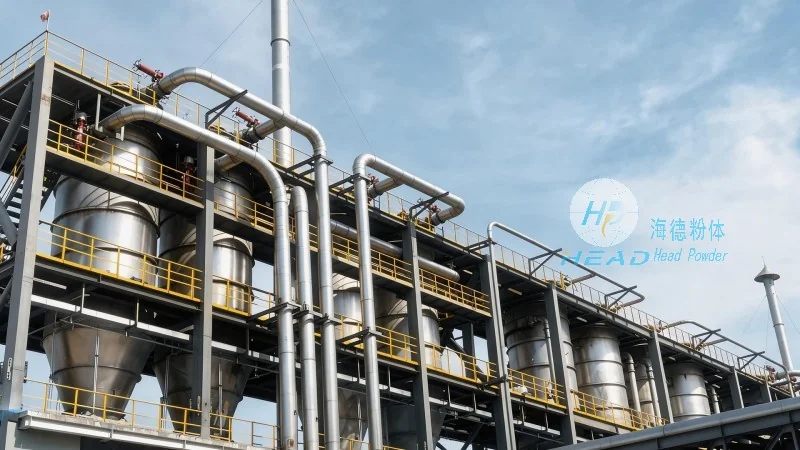
HeadPowder's HCl pneumatic conveying equipment is equipped with several advanced features that enhance performance and safety. One of the primary features is the use of corrosion-resistant materials throughout the system, which is essential for handling HCl gas. The equipment is designed with seamless stainless steel pipelines and components that can withstand the aggressive chemical environment, ensuring long-term durability and minimal maintenance. Additionally, the system incorporates advanced control systems that monitor pressure, flow, and temperature in real-time, providing operators with immediate feedback and allowing for quick adjustments to maintain optimal conditions.
Another notable feature is the integration of safety mechanisms, such as pressure relief valves and gas detection sensors, to prevent over-pressurization and detect any leaks. These safety features are critical in industrial settings where HCl gas poses significant health and environmental risks. The equipment also includes automated start-up and shut-down procedures, reducing the risk of human error and ensuring consistent operation. Furthermore, the system is designed for easy maintenance, with accessible components that can be quickly inspected and replaced, minimizing downtime and maximizing productivity.
Advantages of Using Hydrogen Chloride Pneumatic Conveying Equipment
Implementing HCl pneumatic conveying systems offers several advantages over traditional methods, such as manual handling or liquid transport. The primary benefit is enhanced safety, as the closed-loop system eliminates the need for direct human contact with the gas, reducing the risk of exposure to toxic fumes. This not only protects workers but also complies with environmental regulations and occupational safety standards. Additionally, the system provides a more efficient and reliable method of transporting HCl gas, with minimal loss or contamination, ensuring consistent quality in downstream processes.
From an operational perspective, pneumatic conveying systems offer significant cost savings. The closed-loop design reduces energy consumption by recycling compressed air, and the corrosion-resistant materials lower maintenance costs over the equipment's lifespan. The automated control systems also reduce labor requirements, as operators can monitor and adjust the system remotely, improving overall efficiency. Furthermore, the system's flexibility allows for easy integration with existing industrial infrastructure, making it a practical solution for various applications.
Application Examples and Industry Impact
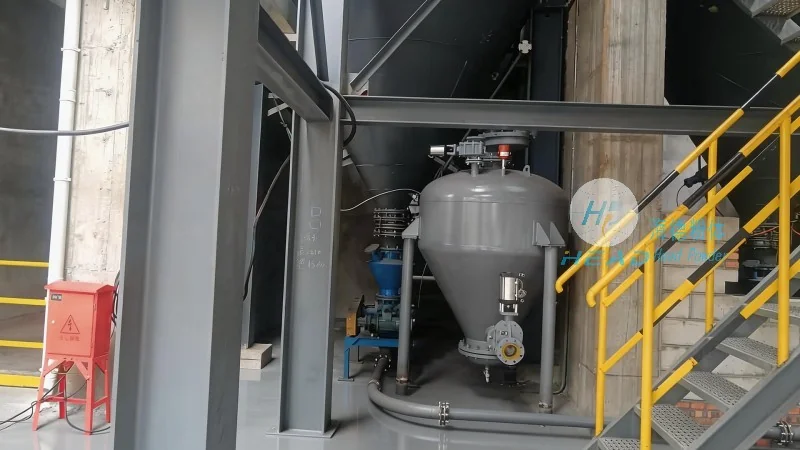
Hydrogen chloride pneumatic conveying equipment is widely used in various industries, including chemical manufacturing, pharmaceuticals, and metal processing. In chemical plants, the equipment is used to transport HCl gas from reactors to absorption towers or storage tanks, ensuring a continuous and safe supply of the gas for chemical reactions. In pharmaceutical manufacturing, the system is employed to handle HCl gas in the production of active pharmaceutical ingredients (APIs), where precision and safety are paramount. The equipment's ability to maintain consistent pressure and flow rates is crucial for achieving high-quality products and meeting regulatory requirements.
The adoption of HCl pneumatic conveying systems has had a positive impact on industrial operations, particularly in terms of safety and efficiency. By reducing the risk of leaks and exposure, the systems contribute to a safer working environment, which is essential for employee well-being and regulatory compliance. The improved efficiency of material transport also leads to higher productivity and lower operational costs, making the equipment a valuable investment for industrial companies. As industries continue to prioritize safety and sustainability, the demand for advanced HCl pneumatic conveying solutions is expected to grow, driving further innovation in the field.
HeadPowder, with its expertise in engineering and manufacturing, continues to lead the development of HCl pneumatic conveying equipment that meets the evolving needs of the industry. The company's commitment to quality, safety, and innovation ensures that its products remain at the forefront of industrial technology. By providing reliable and efficient solutions, HeadPowder helps industrial clients optimize their operations, reduce risks, and achieve their business objectives. The company's presence in Shandong, China, underscores its role as a key player in the global market for industrial conveying equipment, with a strong focus on delivering high-performance solutions for challenging applications like HCl gas handling.