

Working Principle and Characteristics of Iron Concentrate Material Handling
Iron concentrate material handling is a critical process in the mining and processing industry, ensuring the efficient transport of iron ore concentrate from extraction sites to processing facilities. Understanding the working principles and characteristics of this material handling system is essential for optimizing operational efficiency and maintaining product quality. This article provides an in-depth overview of the mechanisms involved and the key attributes that define effective iron concentrate material transport.
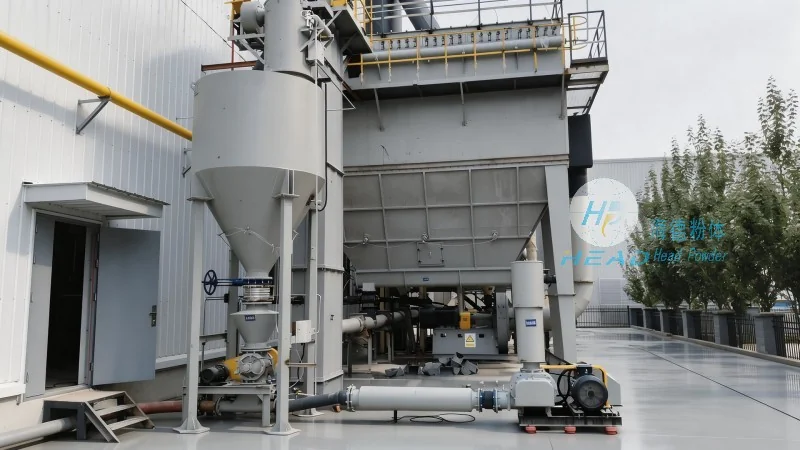
Working Principle of Iron Concentrate Material Handling
The working principle of iron concentrate material handling typically involves a series of equipment designed to move bulk materials over short or long distances. Commonly used systems include belt conveyors, bucket elevators, and screw conveyors, each tailored to the specific characteristics of iron concentrate, such as its density, moisture content, and particle size. The process generally begins with the loading of iron concentrate into the initial feeding point, where it is then transferred through a series of mechanical components. Belt conveyors, for instance, utilize a continuous loop of conveyor belt supported by rollers, which moves the material by friction. The speed and inclination of the belt can be adjusted to control the flow rate and prevent material buildup. Bucket elevators, on the other hand, employ a vertical or inclined conveyor with attached buckets that scoop up material and transport it upward, making them ideal for vertical or steep incline applications. Screw conveyors use a rotating screw within a trough to push material forward, suitable for horizontal or slight incline transport. The integration of these equipment types allows for a seamless and continuous material flow, minimizing downtime and maximizing throughput.
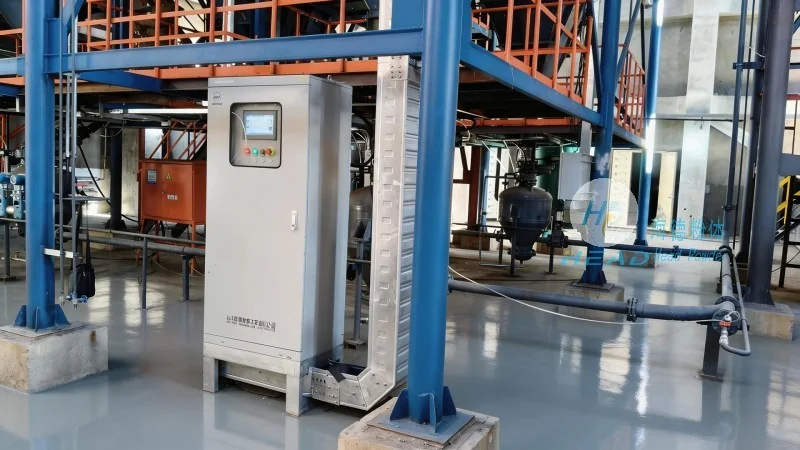
Key Characteristics of Iron Concentrate Material Handling Systems
Effective iron concentrate material handling systems exhibit several distinct characteristics that contribute to their performance and reliability. One of the primary characteristics is high efficiency, achieved through the use of robust machinery and optimized system design. These systems are engineered to handle large volumes of material with minimal energy consumption, reducing operational costs and enhancing overall productivity. Another critical characteristic is stability and reliability, as consistent material flow is essential to prevent bottlenecks and ensure smooth operations. The use of durable materials and precise engineering in the construction of conveyor components, such as belts and rollers, helps to minimize wear and tear, extending the lifespan of the equipment. Additionally, adaptability is a key feature, as iron concentrate properties can vary depending on the source and processing stage. Modern material handling systems are designed to accommodate these variations, allowing for adjustments in speed, inclination, or feeding mechanisms to maintain optimal performance. This flexibility ensures that the system can be tailored to specific operational needs, whether for short-distance transport within a processing plant or long-distance transport between mining sites and processing facilities. Furthermore, safety is a paramount consideration in iron concentrate material handling, with systems incorporating features like emergency stop mechanisms, overload protection, and protective guards to prevent accidents and ensure the well-being of operators. The integration of these safety measures not only complies with industry regulations but also enhances the overall reliability of the operation.
Operational Advantages of Iron Concentrate Material Handling
Implementing an efficient iron concentrate material handling system offers numerous operational advantages for mining and processing companies. Firstly, it significantly improves productivity by enabling continuous and uninterrupted material transport. By reducing the time required for material movement, companies can increase the throughput of their processing plants, leading to higher output and better resource utilization. Secondly, cost savings are achieved through reduced energy consumption and minimized maintenance requirements. The robust design of the equipment, combined with regular maintenance protocols, helps to lower operational expenses over the long term. Thirdly, the system enhances product quality by minimizing material degradation during transport. Iron concentrate is a valuable commodity, and maintaining its quality is crucial for downstream processing and market value. By using gentle handling methods and avoiding excessive vibration or impact, the material handling system helps to preserve the concentrate's properties, ensuring consistent quality. Additionally, the reliability of the system contributes to better operational planning and scheduling. With a stable material flow, companies can better manage their production timelines and meet delivery commitments, improving customer satisfaction and business relationships. The adaptability of the system also allows for flexibility in responding to changes in production volume or material characteristics, providing a competitive edge in a dynamic industry.
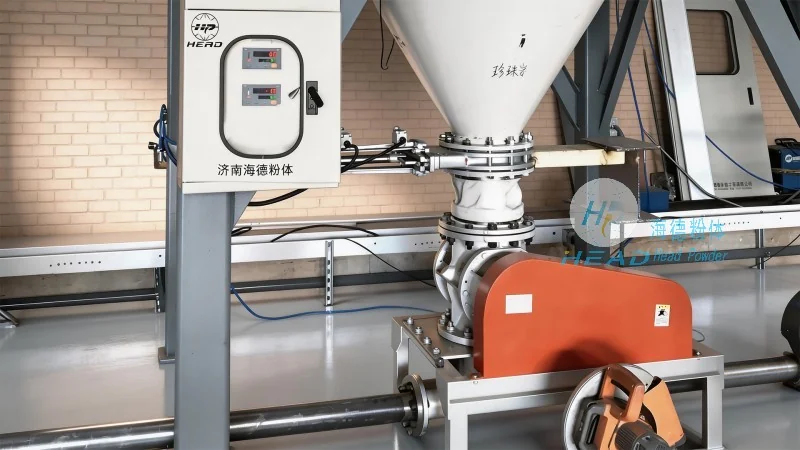
Application Examples in Iron Concentrate Processing
Iron concentrate material handling systems are widely used in various stages of iron ore processing, from mining to final product delivery. In the mining phase, these systems are employed to transport iron ore from the mine site to processing facilities, often over long distances. Belt conveyors are commonly used for this purpose due to their ability to handle large volumes and cover long distances efficiently. Once at the processing plant, the material is transferred to various processing units, such as crushers, grinders, and separators, where it undergoes further treatment. Within the processing plant, material handling systems are used to move the concentrate between different stages of processing, such as from the grinding circuit to the flotation or magnetic separation units. The vertical transport of material, particularly in the form of iron concentrate, is often achieved using bucket elevators, which can handle the material's density and particle size effectively. In the final stages of processing, the material handling system transports the processed iron concentrate to storage silos or loading facilities, preparing it for shipment to customers. The consistent and reliable operation of these systems is vital to the overall efficiency of the processing plant, as any disruption in material flow can lead to significant delays and increased costs. Companies like Shandong HeadPowder Engineering Co., Ltd., based in China, specialize in designing and manufacturing such material handling systems, providing tailored solutions to meet the specific needs of their clients in the iron ore industry.