

Working Principle and Features of Chromium(III) Oxide Material Pneumatic Conveying System
Chromium(III) oxide, also known as chromium sesquioxide, is a widely used chemical compound in various industrial applications, including pigments, catalysts, and corrosion inhibitors. The efficient and safe handling of this material is crucial for maintaining product quality and operational safety. Pneumatic conveying systems have emerged as a reliable solution for transporting chromium(III) oxide, offering advantages over traditional methods like belt conveyors or bucket elevators. HeadPowder, a leading provider of engineering solutions, specializes in the design and manufacturing of pneumatic conveying systems for various industrial materials, including chromium(III) oxide. With decades of experience in the field, HeadPowder has developed advanced systems that address the unique challenges of handling fine powders like chromium(III) oxide, ensuring optimal performance and safety. The company's headquarters is located in Shandong, China, where it leverages local expertise and resources to deliver high-quality products and services to clients worldwide. This article explores the working principle and key features of a pneumatic conveying system designed for chromium(III) oxide material, highlighting how such systems enhance operational efficiency and ensure compliance with safety standards.
Working Principle of the Pneumatic Conveying System
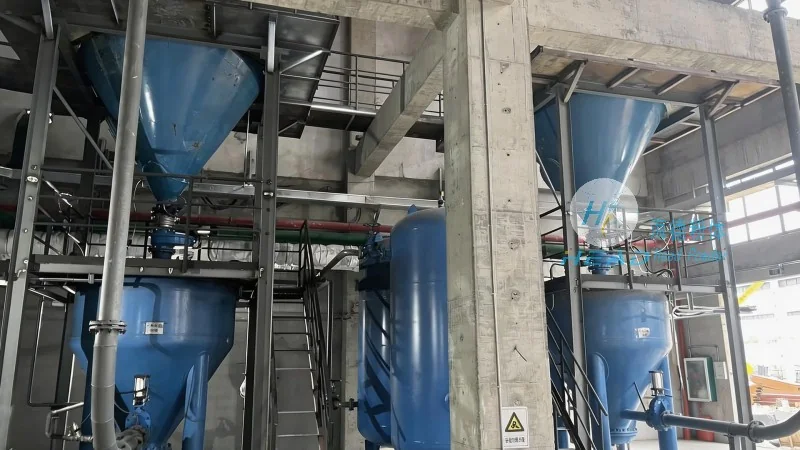
The core of a pneumatic conveying system for chromium(III) oxide involves the use of compressed air to transport the material through a network of pipes. The system typically consists of a hopper for material storage, a rotary airlock valve to control the flow of material into the pipeline, a venturi or pressure vessel to accelerate the material-air mixture, and a receiver or collection unit at the destination. The process begins when the material is fed into the hopper. As compressed air is introduced into the system, it creates a pressure differential that draws the material into the pipeline. The air and material are mixed in a ratio that ensures the material is suspended and transported efficiently. The rotary airlock valve acts as a seal to prevent backflow and maintain consistent material flow. The venturi or pressure vessel further increases the velocity of the mixture, ensuring the material is carried through the entire conveying line without clogging. Finally, the material is deposited into the receiver at the end of the system, where it is collected for further processing. This continuous process allows for a seamless and automated transfer of chromium(III) oxide from the source to the destination, minimizing manual handling and reducing the risk of contamination.
Key Features and Advantages of the System
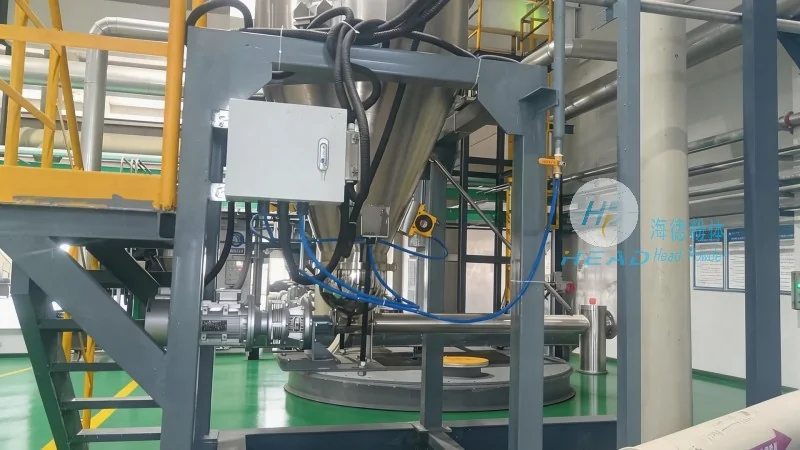
The pneumatic conveying system for chromium(III) oxide material offers several distinct features that make it an ideal choice for industrial applications. One of the primary advantages is its ability to handle fine or powdery materials like chromium(III) oxide without the need for additional equipment such as crushers or screens. The system's design minimizes material degradation and ensures that the product's quality is maintained throughout the conveying process. Additionally, the system provides excellent dust control, as the material is enclosed within the pipeline, reducing the risk of airborne dust and improving workplace safety. This is particularly important for chromium(III) oxide, which can be hazardous if inhaled. The system also offers high efficiency in terms of material throughput, with the ability to transport large volumes of material over long distances with minimal energy consumption. Another key feature is its flexibility, as the system can be easily modified or expanded to accommodate changes in production requirements. The use of compressed air as the conveying medium also allows for the integration of other processes, such as drying or cooling, within the same system. Furthermore, the system is designed with safety in mind, incorporating features like pressure relief valves and emergency shut-off mechanisms to prevent accidents and ensure operator safety. These features collectively contribute to a reliable and cost-effective solution for the transportation of chromium(III) oxide, making it a preferred choice for many industries.
Operational Benefits and Applications
The implementation of a pneumatic conveying system for chromium(III) oxide material brings numerous operational benefits to industrial facilities. By automating the material handling process, the system reduces labor costs and minimizes the risk of human error, leading to increased productivity and consistency in product quality. The enclosed nature of the system also improves workplace safety by preventing dust exposure and reducing the risk of material spills or leaks. This is particularly important in environments where chromium(III) oxide is used, as it can pose health risks if not handled properly. The system's ability to transport material over long distances without the need for intermediate storage or handling points also streamlines the production process, reducing downtime and improving overall efficiency. Furthermore, the system's low maintenance requirements and long service life make it a cost-effective investment for industrial operations. The applications of this system are diverse, ranging from small-scale laboratory use to large-scale industrial production. It is commonly used in the pigment industry for transporting chromium(III) oxide to mixing and coating facilities, as well as in the chemical industry for moving the material to reactors or storage tanks. The system's adaptability also makes it suitable for other industries that require the safe and efficient transportation of fine powders, such as pharmaceuticals and food processing. Overall, the pneumatic conveying system for chromium(III) oxide material provides a robust and reliable solution that enhances operational performance while ensuring compliance with safety and environmental regulations.
Conclusion
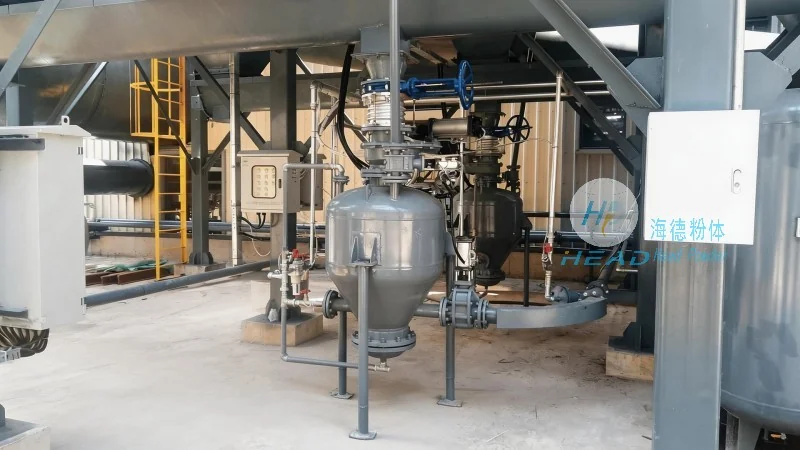
In conclusion, the pneumatic conveying system for chromium(III) oxide material is a sophisticated and efficient solution for industrial material handling. Its working principle, based on compressed air and a sealed pipeline system, ensures the safe and reliable transport of the material from the source to the destination. The key features of the system, including its ability to handle fine powders, provide excellent dust control, and offer high throughput, make it an ideal choice for various industrial applications. The operational benefits, such as increased productivity, improved safety, and reduced maintenance costs, further enhance its value. As the demand for efficient and safe material handling systems continues to grow, the pneumatic conveying system for chromium(III) oxide material remains a leading solution, offering a balance of performance, reliability, and cost-effectiveness. For industries dealing with chromium(III) oxide, investing in such a system is a strategic decision that contributes to long-term operational success and compliance with industry standards.