

Working Principle and Features of Alumina Hydroxide Material Pneumatic Conveying System
Shandong HeadPowder Engineering Co., Ltd. specializes in the design and implementation of advanced material handling solutions, including pneumatic conveying systems tailored for alumina hydroxide applications. Based in Shandong, China, the company leverages decades of industry experience to deliver efficient and reliable systems that meet the specific demands of the chemical and industrial sectors.
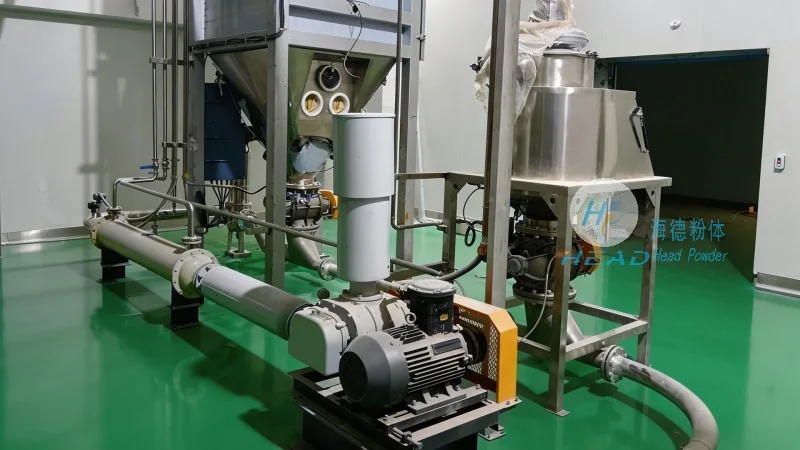
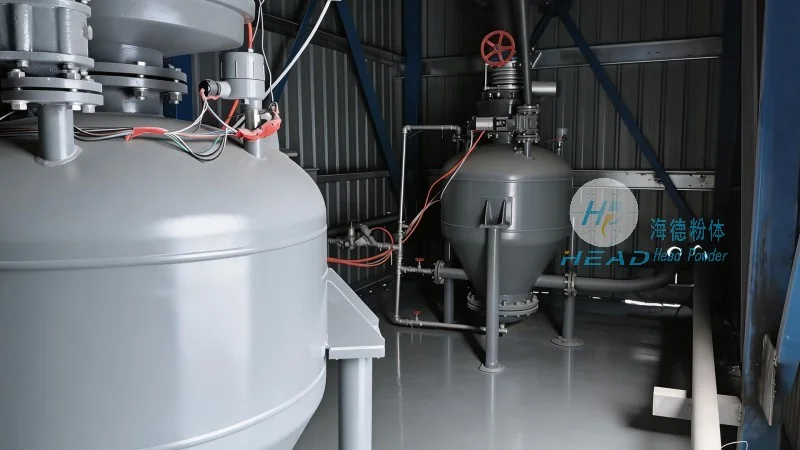
Understanding the Working Principle of Alumina Hydroxide Pneumatic Conveying Systems
At the core of alumina hydroxide pneumatic conveying systems is the fundamental principle of transporting bulk materials through a pressurized or vacuum environment using a carrier gas, typically air or a mixture of air and other gases. The process begins with the material being fed into a hopper or feeder, where it is then introduced into a pipeline. The carrier gas, under controlled pressure, moves the material particles along the pipeline by creating a flow that suspends the solids in the gas stream. This suspension allows the material to be transported over long distances with minimal mechanical wear and reduced risk of contamination. The system typically includes components such as a blower or compressor to generate the necessary airflow, a filter to separate the material from the gas, and a discharge unit to deliver the material to its destination. The design of the system is optimized to ensure consistent material flow, preventing issues like blockages or uneven distribution, which are critical for maintaining operational efficiency in alumina hydroxide processing.
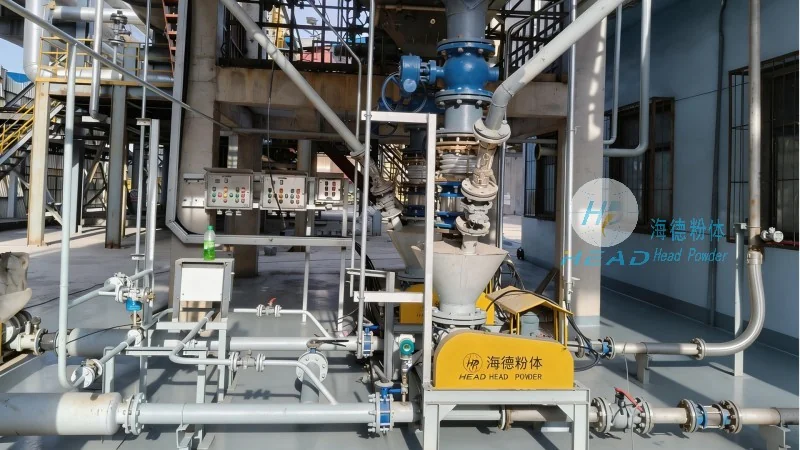
Key Features of Alumina Hydroxide Pneumatic Conveying Systems
Alumina hydroxide pneumatic conveying systems offer several distinct advantages that make them a preferred choice for material handling in industrial applications. One of the primary features is their ability to transport materials in a closed system, which enhances safety by minimizing dust exposure and preventing environmental contamination. This closed-loop design also improves material integrity, as the product remains protected from moisture, air, and other external factors that could affect its quality. Additionally, the systems provide high transport efficiency, allowing for the movement of large volumes of alumina hydroxide over significant distances with minimal energy consumption compared to traditional mechanical conveying methods. The flexibility of pneumatic systems is another notable feature, as they can be easily adapted to accommodate varying material characteristics, such as particle size, density, and moisture content. This adaptability is crucial for handling the diverse properties of alumina hydroxide, which can range from fine powders to larger granules. Furthermore, the systems are designed for low maintenance, with components like filters and blowers engineered to operate reliably over extended periods, reducing downtime and operational costs. The integration of advanced control systems in modern pneumatic conveying solutions allows for real-time monitoring and adjustment of airflow and pressure, ensuring optimal performance and consistent material delivery. These features collectively contribute to the overall effectiveness and reliability of alumina hydroxide pneumatic conveying systems, making them an essential component in many industrial processes.
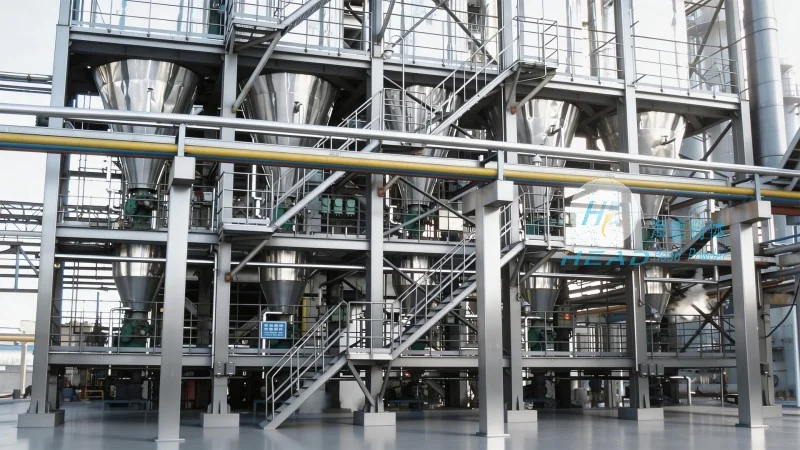
Applications and Benefits in Industrial Settings
The application of alumina hydroxide pneumatic conveying systems spans various industries, including chemical manufacturing, pharmaceuticals, and food processing. In chemical plants, these systems are used to transport raw materials and finished products, ensuring a seamless flow of alumina hydroxide through production lines. The closed system design is particularly beneficial in pharmaceutical applications, where maintaining a sterile and contamination-free environment is paramount. The efficiency and reliability of the systems also contribute to improved production throughput, as they can handle high volumes of material without interruptions. In the food industry, the systems are employed to transport food-grade alumina hydroxide, adhering to strict hygiene standards. The benefits of using pneumatic conveying in these contexts extend beyond material handling to include cost savings, as the reduced need for manual labor and lower maintenance requirements lower operational expenses. Moreover, the systems enhance workplace safety by eliminating the need for manual handling of bulk materials, which can be hazardous. The adaptability of the systems to different material types and processing requirements makes them versatile tools for industrial operations, supporting the efficient and safe handling of alumina hydroxide in diverse applications.